Dr. Jekyll, Mr. Hyde, and the Hidden Splits of Trauma and Addiction—Releasing Through the Body

 Dr. Jekyll’s Transformation by Lorenzo Mastroianni

Have you ever felt like two selves are living inside you? Perhaps you present one version of yourself to the world—measured, capable, calm, and resilient—while another, hidden self emerges in moments of craving, impulse, self-sabotage, or collapse. This experience can feel bewildering, even frightening, as though something foreign has taken over.

Robert Louis Stevenson’s The Strange Case of Dr. Jekyll and Mr. Hyde is more than a gothic horror story. It is a profound allegory about the divided human psyche. Its enduring power lies in how vividly it captures the inner conflict between our socially acceptable self and our hidden impulses. For trauma survivors and those navigating addictions, this metaphor speaks with unsettling precision.

Philosophers have wrestled with the paradox of the divided self for millennia. From Plato’s tripartite soul, to St. Augustine’s confessions of inner conflict, to Nietzsche’s critique of repression, the tension between light and shadow has always been part of the human condition. What modern trauma research and somatic therapies like Peter Levine’s Waking the Tiger: Healing Trauma add is a new understanding: these divisions are not just moral or existential—they are embodied, physiological realities that live in our nervous systems.


The Duality Within: Trauma Splits as Inner Jekyll and Hyde

In Stevenson’s novella, Dr. Jekyll is a well-respected gentleman who longs to separate his virtuous self from his darker impulses. He creates a potion that allows him to become Mr. Hyde, a figure unrestrained by morality or social expectation. At first, Jekyll feels liberated. He believes he has found a way to keep his darker side hidden while maintaining his respectable life. But soon, Hyde grows stronger, more violent, and more uncontrollable. Eventually, Jekyll loses the ability to choose when the transformation happens—Hyde takes over at will.

This story resonates with what I’ve described in my blog on mild splits in sexual trauma survivors. When faced with overwhelming pain or violation, the psyche often protects itself by compartmentalizing. One part of the self continues to function, go to work, care for others, and present a socially acceptable image. Meanwhile, another part carries the unbearable weight—memories, emotions, shame, and survival impulses.

Like Jekyll’s potion, splitting can feel adaptive at first. It allows survivors to keep moving, to survive unbearable circumstances. But over time, these splits create instability. What is buried does not disappear—it festers. Eventually, it erupts in behaviors or symptoms that may feel alien, frightening, or destructive.

This dynamic echoes Plato’s tripartite model of the soul: reason, spirit, and appetite. Plato argued that harmony requires balance between these parts. When appetite dominates, chaos ensues; when it is entirely denied, it grows more dangerous. Stevenson’s Jekyll is Plato’s rational man trying to suppress appetite, only to have it return in monstrous form.

St. Augustine described the same paradox in his Confessions. Reflecting on his youth, he prayed: “Grant me chastity and continence, but not yet.” He wanted virtue, but also indulgence. This divided will mirrors Jekyll’s wish to be both saint and sinner at once, and it reflects the same psychic split trauma survivors often feel—wanting to appear intact while another part yearns for relief at any cost.


Repression, Shame, and the Cycle of Addiction

Jekyll’s downfall comes not from Hyde’s existence, but from his refusal to integrate him. He represses what he deems unacceptable and tries to sever it entirely. But as Nietzsche warned, what we repress doesn’t vanish. Instead, it grows in power and returns in distorted ways.

For survivors of trauma, repression often takes the form of silence and shame. They may tell themselves:

  • “If I let myself feel this grief or rage, I’ll fall apart.”
  • “If I show others this side of me, I won’t be loved or accepted.”

To survive, they push these parts underground. But what is exiled doesn’t disappear. It resurfaces in self-sabotaging choices, compulsions, and addictive patterns.

This is where Aristotle’s idea of akrasia—weakness of will—comes in. Aristotle asked why people act against their own better judgment. He observed that desire and impulse can overpower reason. Addiction is perhaps the most painful expression of this: knowing what is destructive yet being unable to stop, as though another part of the self has seized control.

We can see Jekyll’s progression mirrored in the cycle of addiction:

  1. Experimentation: A behavior begins as a way to feel relief or escape.
  2. Dependence: The behavior becomes the go-to coping mechanism.
  3. Loss of Control: The behavior takes on a life of its own, surfacing without conscious choice.
  4. Collapse: The self fragments under the strain.

This is Jekyll’s arc, but it is also the lived experience of many survivors. Addiction becomes Hyde—the shadow self breaking through, demanding release, regardless of cost.


The Body Speaks: Somatic Experiencing as the Path to Integration

While philosophers explored these dynamics in moral or existential terms, modern trauma therapy places them squarely in the body. Peter Levine’s Waking the Tiger revolutionized trauma healing by showing that trauma is not just a memory or story—it is energy trapped in the nervous system.

Animals in the wild endure constant threats, yet they rarely develop chronic trauma. Why? Because after a life-threatening event, they discharge the energy through shaking, trembling, or movement. Their bodies complete the survival cycle. Humans, however, often override this instinct. We freeze. We shut down. We hold it inside. The body never finishes the response, and the energy becomes trapped.

Over time, this stuck energy expresses itself as anxiety, depression, compulsions, or addictions. These are not failures of morality or willpower. They are the body’s desperate attempt to resolve what was never completed.

Here, Levine’s work intersects powerfully with Carl Jung’s concept of the shadow. Jung taught that the denied parts of the psyche must be faced and integrated, or they will sabotage us from the dark. Levine shows us how to do this somatically—by listening to the body, tracking sensations, and allowing discharge, we invite the shadowed parts back into wholeness.

Kierkegaard described despair as “the sickness unto death”—the condition of being out of alignment with oneself. This is exactly what trauma creates: a self divided against itself, fragments cut off from one another. Healing is not about destroying Hyde, but about reuniting Jekyll and Hyde into a single, embodied self.


Practical Ways to Heal the Split: Applying Levine’s Insights

Levine’s Somatic Experiencing (SE) offers practical tools for reintegration. Here are six accessible practices to begin exploring:

  1. Track the Felt Sense
    • Pause and notice what is happening in your body right now. Tingling? Heaviness? Warmth? Numbness?
    • Ask: Where in my body feels tense? Where feels calm or neutral?
    • Why it helps: Trauma cuts us off from body awareness. Tracking sensations reconnects us to the body’s subtle language, allowing us to catch activation before it escalates into destructive behavior.
  2. Pendulation
    • Focus gently on an activated place (tight chest, restless hands).
    • Then shift attention to a calmer place (feet, breath, or a hand resting on your lap).
    • Move awareness slowly between the two.
    • Why it helps: Instead of being stuck in repression (Jekyll) or overwhelm (Hyde), pendulation teaches the nervous system flexibility.
  3. Micro-Movements for Completion
    • Ask your body: What small movement do you need right now?
    • Allow your shoulders to roll, your legs to push lightly into the floor, or your body to tremble.
    • Welcome yawns, sighs, tears, or laughter.
    • Why it helps: These are signs of discharge—your body releasing stuck survival energy.
  4. Orienting to the Present
    • Slowly turn your head. Look around the room.
    • Let your eyes rest on objects, colors, or textures.
    • Whisper inwardly: I am here. I am safe now.
    • Why it helps: Trauma keeps us stuck in the past. Orienting gently re-engages the parasympathetic nervous system, grounding us in present safety.
  5. Resource with Safety Anchors
    • Bring to mind a safe person, place, or memory.
    • Notice how your body responds—softening, warmth, slowing of breath.
    • Why it helps: Resources provide the stability to face hidden parts without being overtaken.
  6. Allow Gentle Discharge
    • If trembling, warmth, or tears arise, let them flow.
    • These are not signs of weakness—they are signs of completion.
    • Why it helps: This is the body’s catharsis—release that restores balance.

Somatic Integration Exercise: Meeting Jekyll and Hyde Through the Body

Here is a full guided practice combining the Jekyll/Hyde metaphor, philosophical insight, and Levine’s body-based healing approach.

Step 1: Settle and Arrive

  • Sit or lie comfortably.
  • Look around and name a few colors or shapes.
  • Feel the support beneath you.
  • Ask: Right now, am I safe?

Step 2: Invite Both Selves

  • Imagine your Jekyll self—calm, capable, controlled.
  • Imagine your Hyde self—impulsive, hurting, craving.
  • Whisper inwardly: Both of you are welcome here.
  • Notice where each shows up in your body.

Step 3: Track the Felt Sense

  • Focus on tension or discomfort.
  • Then shift to a calm area.
  • Move gently between the two.

Step 4: Micro-Movement and Release

  • Ask your body what it needs. Allow shaking, stretching, or sighing.
  • Welcome any natural discharge.

Step 5: Anchor in Resources

  • Imagine a safe person, place, or memory.
  • Wrap both Jekyll and Hyde in this safety.

Step 6: Closing Reflection

  • Thank both parts for showing up.
  • Whisper inwardly: I am learning to be whole.
  • Reorient gently to your space.

This practice is not about erasing Hyde or clinging only to Jekyll. It is about learning to hold both, allowing the body to integrate what was once divided. Over time, this strengthens the nervous system’s capacity to be whole.


Healing Is Wholeness Through the Body

The tragedy of Jekyll was not that he had a shadow, but that he believed he could banish it. Philosophers from Plato to Kierkegaard warned that division within the self breeds despair. Nietzsche and Jung reminded us that denied parts always return. Levine shows us how the body carries this same truth: what is suppressed must eventually surface, and healing means allowing the body to complete what it never could.

Addictions and destructive behaviors are not moral failures. They are signals—Hyde’s way of demanding attention. They are the body’s attempt to release trapped energy, even if in distorted ways.

Healing comes not from repression, but from compassion. Not from silencing Hyde, but from listening to him. Not from erasing shadow, but from welcoming it back into the circle of self.


Final Reflection
Stevenson’s tale is a warning about repression. The philosophers give us language for divided wills and shadows. Levine gives us a somatic pathway home. Together, they remind us: wholeness is possible.

When we stop running from Hyde, we discover that he carries not only pain, but also vitality—the raw life force waiting to be reclaimed.
Transforming Pain into Liberation: Discovering the Wisdom of Non-Attachment in Zen Stories

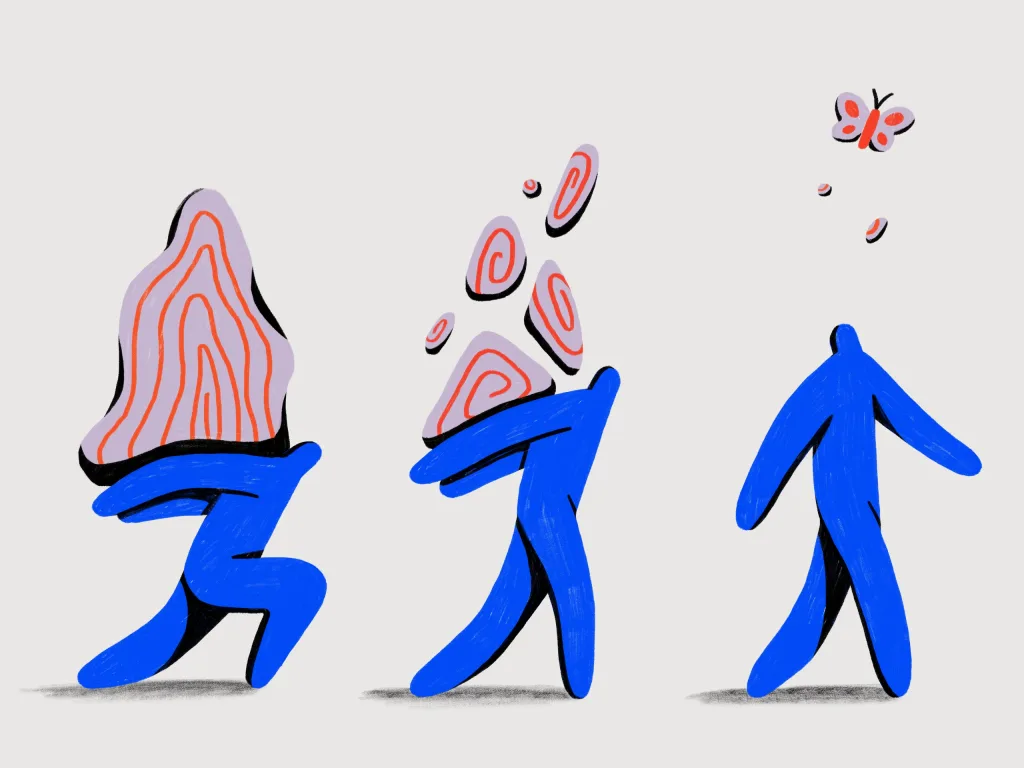
Have you ever wondered how to turn your pain and suffering into a source of liberation and wisdom? Here, l explore the profound teachings of Zen stories that reveal the power of non-attachment in transforming our experiences. Join me on a journey towards understanding how letting go can lead to true freedom and enlightenment. Get ready to uncover the secrets of turning pain into liberation through the ancient wisdom of Zen philosophy.

Introduction: Overview of the concept of non-attachment in Buddhism and its relation to pain

Buddhism is a spiritual tradition that originated in ancient India and is based on the teachings of Siddhartha Gautama, also known as the Buddha. One of the central principles in Buddhism is the concept of non-attachment, which refers to letting go of our attachments to material possessions, relationships, and even our own thoughts and emotions. It is believed that by practicing non-attachment, one can free themselves from suffering and achieve inner peace.

In Buddhism, pain or suffering (known as dukkha) is seen as an inevitable part of life. Every human being experiences pain at some point in their lives – whether physical, emotional or psychological. However, what sets Buddhist philosophy apart from other belief systems is its emphasis on the relationship between attachment and suffering.

According to Buddhist teachings, our attachments are like chains that bind us to the cycle of suffering. We become attached to things we desire or fear losing – be it material possessions, relationships or even certain beliefs about ourselves. When these attachments are threatened or taken away from us, we experience pain and distress.

Non-attachment does not mean avoiding relationships or detaching oneself from responsibilities. Rather it means cultivating a mindset where we do not cling onto things with a sense of ownership or control. This helps us let go when necessary without causing unnecessary pain and suffering.

The wisdom behind non-attachment can be seen through many Zen stories that illustrate how detachment leads to liberation from pain. These stories often depict characters who have learned the value of letting go through their own experiences with loss and change.

One such story is about a wise old man who lived alone in the mountains with his son. The son accidentally left the door open one day which allowed their horse to escape into the wild. When villagers came by to offer sympathy for his loss, he simply replied “Maybe”. Later when the horse returned with a herd of wild horses, the villagers congratulated him on his good fortune, to which he replied “Maybe”. His son tried taming one of the wild horses and ended up breaking his leg. Again, when the villagers offered their sympathies, the old man simply replied “Maybe”. Later when soldiers came to conscript young men for war and couldn’t take his son because of his injury, the villagers praised his luck once again. The wise old man’s response remained unchanged – “Maybe”.

This story beautifully demonstrates how non-attachment can prevent us from experiencing pain caused by constantly clinging onto outcomes or circumstances. By accepting that things are impermanent and out of our control, we can free ourselves from suffering and find peace within.

What is Non-Attachment? Explanation of the Buddhist principle of non-attachment and how it differs from detachment.

In Buddhism, attachment is seen as one of the main causes of suffering. When we attach ourselves to external things or ideas, we create expectations and desires that can never be fully satisfied. This leads to disappointment, frustration, and ultimately suffering when those attachments are not met. Non-attachment teaches us to let go of these attachments and find freedom from their endless cycle of craving and dissatisfaction.

But how does non-attachment differ from detachment? Detachment implies a sense of indifference or apathy towards something or someone. It suggests a lack of connection or involvement with the world around us. In contrast, non-attachment involves an understanding and acceptance that everything is impermanent and constantly changing. By letting go of attachments, we are not detached but rather deeply connected with life itself.

The Buddhist term for attachment is “upadana,” which translates to “clinging” or “grasping.” On the other hand, non-attachment is referred to as “viraga,” which means dispassion or absence of passion. This highlights the idea that non-attachment is not about suppressing our emotions but rather approaching them with equanimity – neither attaching nor detaching from them.

To illustrate this concept further, let’s look at an example from one of Zen’s most famous stories – The Two Arrows Parable.

In this story, a man gets shot by two arrows – one physical arrow causing him immense pain and another mental arrow causing him additional suffering through his thoughts about it. The first arrow represents unavoidable pain in life while the second symbolizes our attachment to it. The man’s reaction reflects how most of us deal with pain – we often focus on the second arrow, causing ourselves more suffering.

However, a wise man in the story advises the man to remove the second arrow by letting go of his attachment to its pain. This is not detachment but rather non-attachment, where one acknowledges and experiences pain without adding an extra layer of suffering through attachments.

In essence, non-attachment teaches us to embrace impermanence and find liberation from our attachments. It allows us to live in this moment fully and experience life as it is rather than chasing after what we want or avoiding what we don’t want. By understanding this wisdom, we can transform our pain into liberation and find true peace within ourselves.

The Role of Pride and Ego: Discussion on how pride and ego contribute to attachment and ultimately, pain.

Pride and ego are two powerful forces that play a significant role in our lives. They are often seen as sources of strength and motivation, driving us to achieve success and recognition. However, when it comes to attachment, pride and ego can become obstacles on the path of self-discovery and liberation.

In Zen teachings, attachment refers to the deep-rooted desire for something or someone. This desire is fueled by our pride and ego, which constantly seek validation from external sources. We attach ourselves to material possessions, relationships, achievements, and even our own identities because we believe they define who we are.

Our pride tells us that we need these things to feel worthy and important. It feeds our ego with thoughts of superiority and invincibility. As a result, we cling onto them tightly, fearing that if they were taken away from us, we would be left with nothing.

However, this attachment only brings suffering in the end. The more attached we are to something or someone, the more pain we experience when we lose them or when they no longer meet our expectations. Our pride and ego cannot handle rejection or failure; thus, they create a constant state of fear within us.

In Zen philosophy, non-attachment is considered the key to true liberation from suffering. It involves letting go of our attachments – material possessions, relationships, achievements – as well as our attachment to our own identity. Non-attachment does not mean detachment or indifference; rather it means being free from dependence on anything external for happiness.

Zen stories often illustrate how pride and ego lead people astray from the path of non-attachment. In one story about a wealthy man who was attached to his wealth and status in society until he lost everything due to war – including his family – only then did he find true peace through embracing non-attachment.

Similarly, another story tells of a man who was highly attached to his reputation but found freedom when he let go of his pride and ego. These stories remind us that true liberation can only be achieved when we are free from the bonds of our own attachments.

Pride and ego contribute to attachment which ultimately leads to pain and suffering. The wisdom of non-attachment teaches us to let go of these harmful forces and find true liberation in the present moment.

Zen Tale Analysis: In-depth analysis of the Zen tale

The Zen tradition is rich with tales and stories that offer profound insights into the human experience. These stories, known as koans, are often used in Zen practice to stimulate critical thinking and challenge our preconceived notions of reality. One particular type of koan is the Zen tale, which typically revolves around a simple yet powerful message that can help us gain clarity and insight into our lives.

In this section, I will delve deeper into the world of Zen tales and analyze their meaning and significance. I will explore how these stories can serve as valuable tools for transforming pain and suffering into liberation through the wisdom of non-attachment.

Again, at its core, the essence of Zen teachings is about letting go of attachments – whether it be to material possessions, desires, or even our own thoughts and emotions. This idea is beautifully illustrated in many Zen tales where characters are faced with challenging situations that require them to let go of their attachments in order to find peace and liberation.

One such tale is “The Empty Cup,” which tells the story of a university professor who sought out a famous master to learn about Zen. The master poured tea for his guest but kept pouring until it overflowed from the cup onto the table. The professor exclaimed that the cup was full and could hold no more tea, to which the master replied,

“Like this cup, you are full of your own opinions and speculations. How can I show you Zen unless you first empty your cup?”

This simple yet powerful tale highlights how our attachment to our own beliefs and ideas can prevent us from being open to new perspectives or understanding.

Another popular tale in Zen tradition is “The Parable of the Raft,” where a teacher compares spiritual teachings to a raft that helps one cross over a river but should not be mistaken for being an end goal itself. The main message here is not becoming attached even to spiritual practices or beliefs as they may become hindrances on our path to liberation.

Through the analysis of these stories and many others, we can see how Zen tales offer a deeper understanding of the concept of non-attachment and its role in alleviating suffering. They teach us to let go of our attachments and be present in the here and now, without clinging to ideas or expectations.

Letting Go: Practical tips for letting go

1. Acceptance: The first step towards letting go is accepting reality as it is without judgment or resistance. In one Zen story, a student asked his master how to find peace amidst chaos. The master replied, “It’s like standing in front of a mirror with anger written on your forehead; you will see only anger reflected back at you.” This story teaches us that when we accept our emotions instead of fighting them, we can find inner peace.

2. Mindfulness: Being present in the moment allows us to observe our thoughts without getting caught up in them. In another Zen tale, a samurai warrior seeks advice from a monk about how to handle his anger towards an enemy who insulted him. The monk instructs him to write down the insults on paper but not send it until after ten days if he still feels angry. After ten days, the samurai realizes that his anger has subsided because he was mindful enough not to react impulsively.

3. Gratitude: Letting go also involves being grateful for what we have instead of focusing on what we lack or have lost. One day a man went to Buddha complaining about his problems despite having everything he wanted materially. Buddha advised him always to look at those who have less than him rather than those who have more as it would cultivate gratitude within him.

4.Enjoyment without attachment: Zen teaches us to enjoy things without clinging to them. In a Zen story, a monk was offered a beautiful ruby by a king. Instead of keeping it, he put it in his bowl and used it as an offering at the temple. When asked why he did not keep such a valuable treasure for himself, the monk replied that he enjoyed its beauty but did not want to be attached to something so temporary.

By accepting reality, being present in the moment, practicing gratitude and enjoying without attachment, we can gradually cultivate non-attachment and transform our pain into liberation. As Zen master Thich Nhat Hanh said, “Letting go gives us freedom; freedom only exists when we stop craving.” So let us start letting go today and find true liberation within ourselves.

From Despair to Hope: Healing Trauma Wounds in a Journey Through Existential Angst

It is only when we have faced the absolute worst that life has to offer that we can begin to appreciate the good moments. This was the lesson that Danish philosopher Soren Kierkegaard learned after enduring a series of tragic events in his life. Kierkegaard came to see these experiences not as something to be overcome, but as something to be transformed.

In 1838, Kierkegaard’s mother dies unexpectedly. This event is followed by the death of his father just two years later. Kierkegaard is left with a large inheritance, but instead of using it to live a comfortable life, he donates most of it to charity.

Kierkegaard then turns his attention to his love life. He becomes engaged to Regine Olsen, but breaks off the engagement just months before the wedding. Kierkegaard does this not because he doesn’t love her, but because he feels that marriage would compromise his freedom and ability to pursue his philosophical work.

These events might have broken a lesser man, but Kierkegaard used them as fuel for his writing. In works like “The Sickness Unto Death” and “Either/Or”, Kierkegaard explores the existential angst that comes from facing life’s sorrows head-on. For Kierkegaard, it is only through accepting the darkness within us that we can find true meaning in life.

Introduction to Existential Angst and Kierkegaard’s Works

Existential angst is a feeling of dread, anxiety, or terror that may occur in response to an awareness of the human condition. It is often characterized by a sense of isolation, powerlessness, and meaninglessness. Kierkegaard, a Danish philosopher who lived in the 19th century, is considered one of the fathers of existentialism. His works explore many of the themes associated with existential angst, such as death, freedom, and choice.

Exploring the Depths of Despair in “The Sickness Unto Death”

In his work “The Sickness Unto Death”, Kierkegaard delves deep into the despair that plagues humanity. He examines the various ways in which we can fall into despair, and how this despair can ultimately lead to our downfall. Kierkegaard offers a way out of this despair, however, through faith in God. By recognizing our need for God, and surrendering ourselves to Him, we can find hope and meaning in our lives once again.

The Paradox of Choice in “Either/Or”

The paradox of choice is a central theme in Kierkegaard’s “Either/Or”. The book is structured around the dichotomy of the aesthetic and the ethical life, with the main character, A, living an aesthetic life focused on pleasure and sensuousness, while Judge William lives an ethical life focused on duty and service to others. A confronts the paradox of choice when he must decide whether to stay with his current lover or marry his fiancée. He realizes that either choice will lead to a different life, and that he can’t have both. This leads him into a deep existential angst, as he questions the meaning of life and his own identity. Ultimately, A decides to marry his fiancée and live an ethical life, but the paradox of choice still haunts him.

Finding Hope Through Suffering and Despair

When we are faced with suffering and despair, it can be difficult to find hope. However, Kierkegaard believes that it is through suffering and despair that we can find our way to hope. He argues that when we suffer, we are forced to confront our own mortality and the fact that our lives are ultimately finite. This can be a frightening prospect, but it is also an opportunity for us to realize the importance of living in the present moment and making the most of our lives. Kierkegaard believed that by facing up to the difficult truths about life, we can find a deeper sense of hope and meaning. In his view, despair is not something to be avoided at all costs but rather an essential part of the human experience.

Trauma, for Kierkegaard, is a wound to the soul that can never be fully healed. It is an event that interrupts our lives and shatters our world view. In the aftermath of trauma, we are left with a feeling of profound emptiness and despair. We may try to numb our pain with drugs or alcohol, or engage in risky behaviors in an attempt to escape our suffering. But eventually we must face our trauma head-on if we want to find healing and meaning in our lives again.

Kierkegaard believed that the only way to heal from trauma is to confront it directly. This means facing our fears, accepting our pain, and learning to live with our scars. It is a difficult and often painful journey, but one that can ultimately lead to a more fulfilling and meaningful life.

Applying Kierkegaard’s Ideas to Everyday Life

Kierkegaard’s ideas can be applied to many different aspects of life in order to help individuals find hope and meaning. For example, his idea of the “leap of faith” can be applied when making major life decisions. This means that instead of basing decisions on logic and reason alone, one must also listen to their heart and intuition. Trusting one’s gut feelings can lead to a more fulfilling life experiences, even if the outcome is not initially clear.

Another way Kierkegaard’s ideas can be applied to everyday life is by living in the present moment. This does not mean forgetting about the past or future, but rather being fully engaged in the here and now. Enjoying simple pleasures, spending time with loved ones, and savoring life’s moments can help alleviate existential angst and create a more joyful existence.

Finally, Kierkegaard’s thoughts on death can also be helpful in facing the end of life. Instead of seeing death as an ending, it can be viewed as a new beginning. This perspective can make it easier to come to terms with one’s own mortality and appreciate the time that is given during life.

Conclusion

Through his writings, Kierkegaard has provided us with an insightful exploration of the journey from despair to hope. In examining our relationship with existence and the world around us, we can recognize the various forms of existential angst that arise within us and learn how to confront them. By accepting our own finite nature, embracing uncertainty, and cultivating a healthy perspective on life’s difficulties, we can begin to move toward greater meaning and joy in life. As Kierkegaard so eloquently put it: “Life is not a problem to be solved but a reality to be experienced.”

Husserl’s Understanding of Meaning Making: An Introduction to Healing Trauma

Are you struggling to make sense of your traumatic experiences? Do you feel stuck in a cycle of pain and suffering? If so, you’re not alone. Trauma can be overwhelming, leaving us feeling powerless and disconnected from the world around us. But what if there was a way to heal that didn’t involve suppressing or ignoring our emotions? Enter Husserl’s understanding of meaning making – an approach that offers hope for those seeking healing after trauma.

Introduction to Husserl’s Understanding of Meaning Making

In Husserl’s understanding of meaning making, there is a three-fold structure to every experience: the lived body, the ego, and the world. The lived body is our immediate experience of our physicality; it is pre-reflective and not yet conceptualized. The ego is the center of conscious experience; it is reflective and aware of itself. The world is the totality of all that is experienced by the ego.

When we suffer trauma, it is because something has happened that disrupts this three-fold structure. Trauma shatters our sense of self and our relationship to the world. We may feel disconnected from our bodies and unable to trust our own perceptions. In order to heal from trauma, we must first reconnect with ourselves and then begin to rebuild our sense of meaning in the world.

Husserl’s understanding of meaning making can help us to do this. By attending to our immediate experience in the present moment, we can begin to repair the damage done by trauma and start to create a new narrative for our lives.

The Phenomenological Approach to Healing Trauma

Trauma is an event that causes psychological damage. It can be a single event or repeated exposure to a traumatic situation. The effects of trauma can be short-term or long-term, and can include physical, emotional, and behavioral problems.

The phenomenological approach to healing trauma focuses on the individual’s lived experience of the event or situation. This includes the person’s thoughts, emotions, and behaviors in response to the trauma. The aim is to understand the individual’s subjective experience of the trauma and to help them make meaning of it.

This approach can be helpful in addressing the long-term effects of trauma, as it allows for a deep understanding of the individual’s experience. It can also help address any negative beliefs or assumptions that may have formed as a result of the trauma.

Exploring the Impact of Meaning Making on Recovery

It has long been understood that meaning making is integral to the healing process. In recent years, however, there has been a growing body of research specifically examining the impact of meaning making on recovery from trauma. This research has shown that meaning making is not only important for survivors of traumatic events, but can also be a key factor in predicting post-traumatic growth.

Meaning making refers to the process of understanding and interpreting the events of one’s life in order to make sense of them. This process is often described as constructing a narrative, or story, about one’s life. For survivors of trauma, meaning making can be a way to make sense of their experience and find a new sense of self and purpose.

Research on the impact of meaning making on recovery from trauma has shown that it can play a vital role in both short-term and long-term adjustment. In the immediate aftermath of a traumatic event, survivors who are able to make meaning out of their experience are more likely to have less post-traumatic stress symptoms and greater psychological well-being than those who cannot make meaning out of their experience. In the long term, survivors who engage in meaningful activities such as writing about their experience or talking with others about what happened are more likely to report positive post-traumatic growth than those who do not engage in these activities.

While there is still much to learn about how best to facilitate meaning making for survivors of trauma, the existing research provides strong evidence for its importance

Developing New Meaning Through Reflection and Reframing

Husserl’s understanding of meaning making is based on the idea that we create meaning in our lives through reflection and reframing. This process of meaning making is what allows us to heal from trauma and move forward in our lives.

When we reflect on our experiences, we are able to see them from a different perspective and learn from them. This new understanding can then be used to reframe our current beliefs about ourselves and the world around us. This process of reflection and reframing allows us to create new meaning in our lives, which can lead to healing from trauma.

Adapting Husserl’s Ideas in Your Own Practice

Edmund Husserl’s work on meaning making is highly influential in the field of trauma studies. His ideas can be adapted to your own practice in a number of ways.

First, Husserl’s work emphasizes the importance of attending to lived experience. This means that in your own practice, you should aim to create a space in which clients can feel safe enough to share their stories. It is only through story-telling that we can begin to make sense of our lives and experiences.

Second, Husserl’s work highlights the role of language in meaning making. He argues that language is not just a tool for communication, but actually shapes the way we think and understand the world. In your own practice, you can create a space for clients to explore the language they use to talk about their experiences. This will help them to become more aware of how their experiences are shaped by language, and may also help them to find new ways of understanding and talking about their trauma.

Third, Husserl’s work emphasizes the importance of relationships in meaning making. He argues that we cannot make sense of our lives without considering our relationships with others. In your own practice, you can create opportunities for clients to reflect on their relationships with others, both past and present. This may help them to understand how their relationships have been affected by trauma, and may also help them to develop new and healthier relationships going forward.

Conclusion

Husserl’s understanding of meaning making is a powerful tool for healing trauma. By recognizing the subjective nature of our experience, we can begin to create new meanings in response to traumatic events, allowing us to move forward with greater resilience and insight. While this process may be difficult and uncomfortable, it provides an opportunity for growth through self-reflection and empowerment. As we embrace Husserl’s insights into meaning making, we open ourselves up to transformative possibilities that lead towards healing and lasting change.

Phenomenology

ImagePhenomenology is literally defined as the study of phenomena. Phenomenology is the study of things that appear in experience in a way that they appear as they truly are. In essence, phenomenology is directed at examining things in terms of their meanings. The primary phenomenological concepts are:

(a) intentionality or the “about-ness” of a thing

(b) intuition or knowledge not based on perception

(c) memory or introspection

(d) answering the meaning of “being” (Audi, 1995).         

Let’s backtrack a little and define what a phenomenon actually is. What is phenomenology studying exactly? What IS a phenomenon?

                Heidegger stated that a phenomenon is “that which shows itself from itself” (1927/1962, p. 51).  Phenomena are experienced and are independent of any theories and assumptions. For example, a person experiences a flower as the phenomenon of a flower rather than something that is composed of atoms and particles.  Even though physicists state that flowers are composed of atoms and particles and psychologists try to understand people in terms of their minds, neither atoms, particles, nor minds appear when a person walks through the park and sees a garden of flowers, right? Of course not. The experience of the flower is the phenomenon (Wrathall, 1993). 

                Now it gets more varied…

                Despite the core definitions of a phenomenon and of phenomenology, phenomenological scholars differ in the HOW. How does one make meaning of a phenomenon? Philosophers differ quite substantially on this topic. This does not mean that one scholar is correct while another is incorrect, however. There are multiple ways of finding meaning! You might say that one theory is not better than another but rather, it is the interpretation and usefulness of a theory that will speak to one thinker over another. An example of differing thoughts about a similar concept can be clarified through the philosophies of three primary phenomenological scholars: Husserl, Heidegger, and Merleau-Ponty.

1)      Husserl (1960), the Father of Phenomenology, focused on epistemological differences – what is the nature of knowledge?

2)      Heidegger, Husserl’s pupil, concentrated on ontological differences – what is the nature of being?

3)      Merleau-Ponty, whose philosophy, like Heidegger’s, was also ontological, diverged when he united Husserl’s and Heidegger’s theories and generated a philosophy of the lived body. He contended that all consciousness was created from a pre-reflective bodily existence. In essence, he believed that everything individuals knew of the world (even when that knowledge was based in science) was understood through their personal views and lived experiences (which are fundamentally founded in the body).

                 Again, all branched out to differing thoughts of the HOW of meaning, and all theories shaped the way these thinkers thought about the world and the people around them. Counselors and therapists do this as well. Look at Cognitive Behavioral Therapy when compared to Gestalt Therapy. They inherently differ, but neither is right or wrong. Rather, each theory is shaped by the individual who buys into that theory and helps create a format for helping others.  It is the map one clinician follows versus another – the destination is usually the same!

So…just like phenomenological thought differs among philosophers, so does existential thought.

Stay tuned!

Audi, R. (Ed.). (1995). The Cambridge dictionary of philosophy. New York: Cambridge University Press.

Heidegger, M. (1962).  Being and time.  New York: Harper & Row.

Wrathall, M. (1993). How to read Heidegger.  New York:  W.W. Norton & Company.