Dr. Jekyll, Mr. Hyde, and the Hidden Splits of Trauma and Addiction—Releasing Through the Body

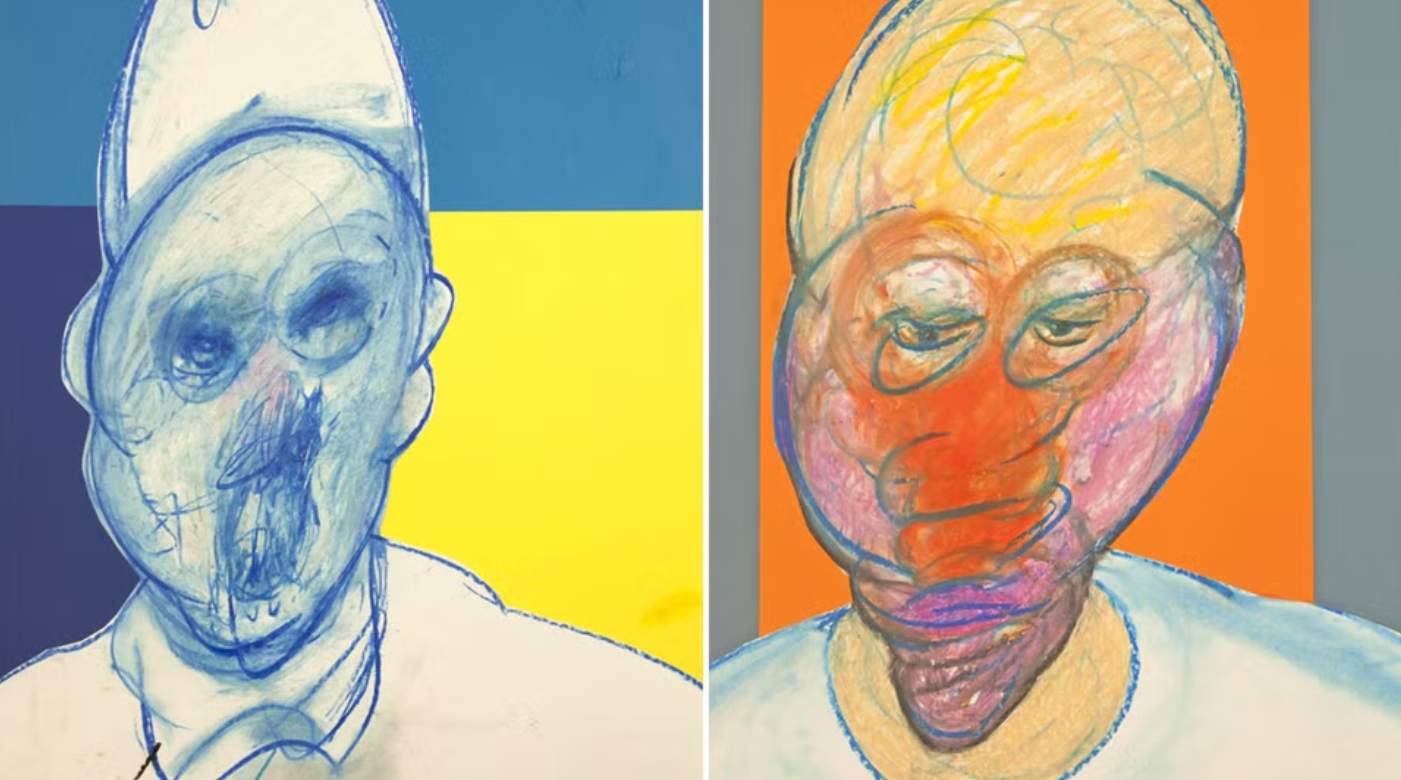
 Dr. Jekyll’s Transformation by Lorenzo Mastroianni

Have you ever felt like two selves are living inside you? Perhaps you present one version of yourself to the world—measured, capable, calm, and resilient—while another, hidden self emerges in moments of craving, impulse, self-sabotage, or collapse. This experience can feel bewildering, even frightening, as though something foreign has taken over.

Robert Louis Stevenson’s The Strange Case of Dr. Jekyll and Mr. Hyde is more than a gothic horror story. It is a profound allegory about the divided human psyche. Its enduring power lies in how vividly it captures the inner conflict between our socially acceptable self and our hidden impulses. For trauma survivors and those navigating addictions, this metaphor speaks with unsettling precision.

Philosophers have wrestled with the paradox of the divided self for millennia. From Plato’s tripartite soul, to St. Augustine’s confessions of inner conflict, to Nietzsche’s critique of repression, the tension between light and shadow has always been part of the human condition. What modern trauma research and somatic therapies like Peter Levine’s Waking the Tiger: Healing Trauma add is a new understanding: these divisions are not just moral or existential—they are embodied, physiological realities that live in our nervous systems.


The Duality Within: Trauma Splits as Inner Jekyll and Hyde

In Stevenson’s novella, Dr. Jekyll is a well-respected gentleman who longs to separate his virtuous self from his darker impulses. He creates a potion that allows him to become Mr. Hyde, a figure unrestrained by morality or social expectation. At first, Jekyll feels liberated. He believes he has found a way to keep his darker side hidden while maintaining his respectable life. But soon, Hyde grows stronger, more violent, and more uncontrollable. Eventually, Jekyll loses the ability to choose when the transformation happens—Hyde takes over at will.

This story resonates with what I’ve described in my blog on mild splits in sexual trauma survivors. When faced with overwhelming pain or violation, the psyche often protects itself by compartmentalizing. One part of the self continues to function, go to work, care for others, and present a socially acceptable image. Meanwhile, another part carries the unbearable weight—memories, emotions, shame, and survival impulses.

Like Jekyll’s potion, splitting can feel adaptive at first. It allows survivors to keep moving, to survive unbearable circumstances. But over time, these splits create instability. What is buried does not disappear—it festers. Eventually, it erupts in behaviors or symptoms that may feel alien, frightening, or destructive.

This dynamic echoes Plato’s tripartite model of the soul: reason, spirit, and appetite. Plato argued that harmony requires balance between these parts. When appetite dominates, chaos ensues; when it is entirely denied, it grows more dangerous. Stevenson’s Jekyll is Plato’s rational man trying to suppress appetite, only to have it return in monstrous form.

St. Augustine described the same paradox in his Confessions. Reflecting on his youth, he prayed: “Grant me chastity and continence, but not yet.” He wanted virtue, but also indulgence. This divided will mirrors Jekyll’s wish to be both saint and sinner at once, and it reflects the same psychic split trauma survivors often feel—wanting to appear intact while another part yearns for relief at any cost.


Repression, Shame, and the Cycle of Addiction

Jekyll’s downfall comes not from Hyde’s existence, but from his refusal to integrate him. He represses what he deems unacceptable and tries to sever it entirely. But as Nietzsche warned, what we repress doesn’t vanish. Instead, it grows in power and returns in distorted ways.

For survivors of trauma, repression often takes the form of silence and shame. They may tell themselves:

  • “If I let myself feel this grief or rage, I’ll fall apart.”
  • “If I show others this side of me, I won’t be loved or accepted.”

To survive, they push these parts underground. But what is exiled doesn’t disappear. It resurfaces in self-sabotaging choices, compulsions, and addictive patterns.

This is where Aristotle’s idea of akrasia—weakness of will—comes in. Aristotle asked why people act against their own better judgment. He observed that desire and impulse can overpower reason. Addiction is perhaps the most painful expression of this: knowing what is destructive yet being unable to stop, as though another part of the self has seized control.

We can see Jekyll’s progression mirrored in the cycle of addiction:

  1. Experimentation: A behavior begins as a way to feel relief or escape.
  2. Dependence: The behavior becomes the go-to coping mechanism.
  3. Loss of Control: The behavior takes on a life of its own, surfacing without conscious choice.
  4. Collapse: The self fragments under the strain.

This is Jekyll’s arc, but it is also the lived experience of many survivors. Addiction becomes Hyde—the shadow self breaking through, demanding release, regardless of cost.


The Body Speaks: Somatic Experiencing as the Path to Integration

While philosophers explored these dynamics in moral or existential terms, modern trauma therapy places them squarely in the body. Peter Levine’s Waking the Tiger revolutionized trauma healing by showing that trauma is not just a memory or story—it is energy trapped in the nervous system.

Animals in the wild endure constant threats, yet they rarely develop chronic trauma. Why? Because after a life-threatening event, they discharge the energy through shaking, trembling, or movement. Their bodies complete the survival cycle. Humans, however, often override this instinct. We freeze. We shut down. We hold it inside. The body never finishes the response, and the energy becomes trapped.

Over time, this stuck energy expresses itself as anxiety, depression, compulsions, or addictions. These are not failures of morality or willpower. They are the body’s desperate attempt to resolve what was never completed.

Here, Levine’s work intersects powerfully with Carl Jung’s concept of the shadow. Jung taught that the denied parts of the psyche must be faced and integrated, or they will sabotage us from the dark. Levine shows us how to do this somatically—by listening to the body, tracking sensations, and allowing discharge, we invite the shadowed parts back into wholeness.

Kierkegaard described despair as “the sickness unto death”—the condition of being out of alignment with oneself. This is exactly what trauma creates: a self divided against itself, fragments cut off from one another. Healing is not about destroying Hyde, but about reuniting Jekyll and Hyde into a single, embodied self.


Practical Ways to Heal the Split: Applying Levine’s Insights

Levine’s Somatic Experiencing (SE) offers practical tools for reintegration. Here are six accessible practices to begin exploring:

  1. Track the Felt Sense
    • Pause and notice what is happening in your body right now. Tingling? Heaviness? Warmth? Numbness?
    • Ask: Where in my body feels tense? Where feels calm or neutral?
    • Why it helps: Trauma cuts us off from body awareness. Tracking sensations reconnects us to the body’s subtle language, allowing us to catch activation before it escalates into destructive behavior.
  2. Pendulation
    • Focus gently on an activated place (tight chest, restless hands).
    • Then shift attention to a calmer place (feet, breath, or a hand resting on your lap).
    • Move awareness slowly between the two.
    • Why it helps: Instead of being stuck in repression (Jekyll) or overwhelm (Hyde), pendulation teaches the nervous system flexibility.
  3. Micro-Movements for Completion
    • Ask your body: What small movement do you need right now?
    • Allow your shoulders to roll, your legs to push lightly into the floor, or your body to tremble.
    • Welcome yawns, sighs, tears, or laughter.
    • Why it helps: These are signs of discharge—your body releasing stuck survival energy.
  4. Orienting to the Present
    • Slowly turn your head. Look around the room.
    • Let your eyes rest on objects, colors, or textures.
    • Whisper inwardly: I am here. I am safe now.
    • Why it helps: Trauma keeps us stuck in the past. Orienting gently re-engages the parasympathetic nervous system, grounding us in present safety.
  5. Resource with Safety Anchors
    • Bring to mind a safe person, place, or memory.
    • Notice how your body responds—softening, warmth, slowing of breath.
    • Why it helps: Resources provide the stability to face hidden parts without being overtaken.
  6. Allow Gentle Discharge
    • If trembling, warmth, or tears arise, let them flow.
    • These are not signs of weakness—they are signs of completion.
    • Why it helps: This is the body’s catharsis—release that restores balance.

Somatic Integration Exercise: Meeting Jekyll and Hyde Through the Body

Here is a full guided practice combining the Jekyll/Hyde metaphor, philosophical insight, and Levine’s body-based healing approach.

Step 1: Settle and Arrive

  • Sit or lie comfortably.
  • Look around and name a few colors or shapes.
  • Feel the support beneath you.
  • Ask: Right now, am I safe?

Step 2: Invite Both Selves

  • Imagine your Jekyll self—calm, capable, controlled.
  • Imagine your Hyde self—impulsive, hurting, craving.
  • Whisper inwardly: Both of you are welcome here.
  • Notice where each shows up in your body.

Step 3: Track the Felt Sense

  • Focus on tension or discomfort.
  • Then shift to a calm area.
  • Move gently between the two.

Step 4: Micro-Movement and Release

  • Ask your body what it needs. Allow shaking, stretching, or sighing.
  • Welcome any natural discharge.

Step 5: Anchor in Resources

  • Imagine a safe person, place, or memory.
  • Wrap both Jekyll and Hyde in this safety.

Step 6: Closing Reflection

  • Thank both parts for showing up.
  • Whisper inwardly: I am learning to be whole.
  • Reorient gently to your space.

This practice is not about erasing Hyde or clinging only to Jekyll. It is about learning to hold both, allowing the body to integrate what was once divided. Over time, this strengthens the nervous system’s capacity to be whole.


Healing Is Wholeness Through the Body

The tragedy of Jekyll was not that he had a shadow, but that he believed he could banish it. Philosophers from Plato to Kierkegaard warned that division within the self breeds despair. Nietzsche and Jung reminded us that denied parts always return. Levine shows us how the body carries this same truth: what is suppressed must eventually surface, and healing means allowing the body to complete what it never could.

Addictions and destructive behaviors are not moral failures. They are signals—Hyde’s way of demanding attention. They are the body’s attempt to release trapped energy, even if in distorted ways.

Healing comes not from repression, but from compassion. Not from silencing Hyde, but from listening to him. Not from erasing shadow, but from welcoming it back into the circle of self.


Final Reflection
Stevenson’s tale is a warning about repression. The philosophers give us language for divided wills and shadows. Levine gives us a somatic pathway home. Together, they remind us: wholeness is possible.

When we stop running from Hyde, we discover that he carries not only pain, but also vitality—the raw life force waiting to be reclaimed.

Exploring the Complexities of Mild Splits in Sexual Trauma Survivors

Sexual trauma is a deeply complex and often misunderstood experience that can manifest in many different ways. One of these manifestations, known as mild splits, occurs when survivors compartmentalize their traumatic memories in order to cope with the overwhelming emotions associated with their experiences. Here, I delve into the intricate world of mild splits in sexual trauma survivors, exploring how they influence individuals and how they can be addressed.

Introduction: Understanding the Concept of Mild Splits in Sexual Trauma Survivors

Sexual trauma is a complex and painful experience that can have lasting effects on survivors. It refers to any unwanted or non-consensual sexual contact, including but not limited to assault, abuse, rape, and harassment. Survivors of sexual trauma often struggle with a wide range of physical, emotional, and psychological symptoms such as anxiety, depression, flashbacks, and difficulty forming intimate relationships.

One of the lesser-known yet equally significant effects of sexual trauma is the development of mild splits in survivors. Mild splits refer to the internal fragmentation or compartmentalization of thoughts and emotions within an individual’s psyche. These splits can serve as a coping mechanism for survivors to manage overwhelming feelings associated with their traumatic experiences.

What are Mild Splits?

Mild splits can be described as psychological divisions within one’s mind that allow individuals to cope with intense emotions or conflicting thoughts related to their traumatic experiences. These split-off parts may appear in the form of different personalities or identities that exist separately from the survivor’s core identity.

It is important to note that these mild splits are not always dissociative disorders like Dissociative Identity Disorder (DID). They can also manifest as more subtle forms such as dissociative tendencies or amnesia surrounding certain aspects of a person’s life.

Dissociation and split personality in philosophy have long been subjects of intrigue and debate among scholars seeking to understand the complexities of human consciousness. The concept of a mind split within this context refers to a fragmentation or division within an individual’s psyche, leading to distinct and often conflicting identities or states of being. This phenomenon challenges traditional notions of unity and coherence in the self, raising profound questions about the nature of identity, agency, and personal autonomy.

Philosophers such as Descartes and Hume grappled with these issues, pondering whether a fragmented self could still be considered as possessing a singular essence or if it should be understood as fundamentally divided. Descartes contemplated the idea that our minds may be distinct from our physical bodies, and prompts us to question the very essence of what it means to be an individual. This notion of a divided self forces us to reconsider traditional understandings of identity and invites us to delve into the intricate interplay between mind, body, and consciousness.

According to Hume, the self is not a unified and continuous entity but rather a bundle of perceptions that are constantly changing and evolving over time. One key aspect of Hume’s philosophy on split personality is his emphasis on the role of experience in shaping who we are as individuals. He argues that our sense of self is constructed through our interactions with the world around us, leading to different aspects of our personality coming to the forefront depending on the situation we find ourselves in.

Why do Mild Splits Occur?

The development of mild splits in sexual trauma survivors stems from their instinctive need for self-preservation. Trauma responses such as flight, fight, freeze or fawn may not always be enough for some individuals to cope with extreme distressing situations. In such cases where there is no perceived escape route available, the mind may create these internal divisions as a way to distance itself from pain or fear associated with the traumatic event.

Furthermore, the shame and guilt that often accompany sexual trauma may also contribute to the splitting of one’s identity. The survivor may view their traumatic experiences as a part of themselves that is unacceptable or unworthy, leading them to detach from these memories and feelings through mild splits.

How Do Mild Splits Manifest in Sexual Trauma Survivors?

In sexual trauma survivors, mild splits may occur during or after a triggering event, such as seeing an object or person associated with their trauma or experiencing physical sensations similar to those during the assault. Some individuals may have these experiences without even realizing it, while others may become aware of their dissociation through therapy or self-reflection.

During a mild split, the individual may feel detached from themselves and their surroundings. They may experience time lapses or gaps in memory and have difficulty recalling specific details of the traumatic event. This is often accompanied by feelings of numbness, disconnection, and emotional detachment. The individual may also display physical signs such as blank facial expressions and a lack of responsiveness.

Mild splits can be categorized into two types – depersonalization and derealization. Depersonalization is when an individual feels detached from themselves, almost as if they are watching themselves experience the situation from outside their body. On the other hand, derealization is characterized by feeling disconnected from one’s surroundings and perceiving them as unfamiliar or dreamlike.

These symptoms are not exclusive to sexual trauma survivors and can occur in other forms of trauma as well. However , they are particularly common in sexual trauma survivors due to the violation of their bodies and boundaries during the assault.

Why Do Mild Splits Occur in Sexual Trauma Survivors?

Mild splits occur as a defense mechanism in response to overwhelming or traumatic experiences. When an individual is unable to cope with a traumatic event, their mind may split off certain aspects of the experience to protect them from the full impact. This allows them to temporarily escape the intense emotions, physical pain, and distress associated with the trauma.

In sexual trauma survivors, mild splits can also be a way of distancing oneself from the overwhelming feelings of shame, guilt, and self-blame that often accompany these experiences. Many survivors struggle with feeling like they are responsible for what happened to them, and dissociation can be a way of avoiding these difficult emotions.

Additionally, mild splits may occur due to previous experiences of dissociation or coping mechanisms developed in childhood. For example, if a child grew up in a volatile or abusive environment where they felt helpless and overwhelmed, they may have learned to dissociate as a means of survival. This learned behavior may then manifest more severely when faced with new traumas in adulthood.

The Impact of Mild Splits on Mental Health and Daily Life

One of the most significant impacts of mild splits on mental health is its potential to disrupt a survivor’s sense of self. As a result of experiencing traumatic events, the person may feel disconnected from their body, thoughts, feelings, and memories. This disconnection can lead to feelings of confusion and self-doubt as they struggle to make sense of their experiences. It can also create difficulties in forming stable relationships as the individual may struggle with trust and intimacy.

In addition to disrupting one’s sense of self, mild splits can also significantly affect a survivor’s daily life. Many individuals with this coping mechanism report struggling with memory lapses or gaps in their recollection. They may also experience flashbacks where they feel like they have little control over their body or actions. These symptoms can make it challenging to complete everyday tasks such as work or school responsibilities.

Mild splits can also influence how survivors regulate their emotions and respond to stressors in life. Some individuals may find themselves easily overwhelmed by seemingly small triggers due to unresolved trauma held within their fragmented parts. Others may struggle with numbing their emotions altogether as a way to avoid painful memories.

Furthermore, living with multiple internal parts can lead to an exhausting inner battle for control over thoughts and behaviors. Survivor’s might find themselves fighting against conflicting desires or impulses from different parts that are overwhelming at times.

Differentiating Between Mild Splits and Dissociative Disorders

Not all splits are created equal. Some may experience mild splits, while others may develop dissociative disorders as a result of their trauma. It is crucial to differentiate between these two as they require different approaches and interventions for healing.

The concept of mild splits encompasses a complex interplay between internal conflicts and external consequences as opposed to dissociative disorders. The concept of mild splits encompasses a complex interplay between internal conflicts and external consequences as opposed to dissociative disorders. Mild splits refer to the fragmentation of an individual’s sense of self, resulting in conflicting thoughts, emotions, and behaviors that may not reach the severity of dissociative identity disorder. This phenomenon is characterized by a subtle division within the psyche, where different aspects of one’s personality come into conflict with each other. The internal conflicts experienced in mild splits can manifest in various ways, such as mood swings, indecisiveness, or inner turmoil. These conflicting elements are often triggered by external stressors or traumatic events that disrupt the individual’s sense of coherence and unity. Unlike dissociative disorders where there is a more pronounced disconnection between different identities or states of consciousness, mild splits involve a more nuanced interaction between disparate parts of the self.

Let’s use an example of a man struggling with infidelty as a coping mechanism. This individual finds himself in a dissociative state, torn between the desire to see a woman and the looming threat of losing his family. More specifically, he is navigating through different aspects of his identity akin to multiple personalities residing within two hemispheres of the mind. This internal struggle is often exacerbated by past experiences of sexual trauma, which can fragment his sense of self into distinct yet interconnected “personalities”. These splits may not manifest as fully developed dissociative disorders, but rather as subtle variations in intensity that color his perceptions and behaviors.

The concept of mild splits can be likened to the classic representation of the devil and angel on one’s shoulders, each vying for influence over an individual’s thoughts and actions. In the above scenario, there is a metaphorical battleground where conflicting aspects of one’s personality contend for dominance. Unlike dissociative disorders which involve more severe disruptions in identity and consciousness, mild splits manifest as subtle internal conflicts that may arise in response to conflicting emotions or beliefs. These inner divisions can lead to feelings of ambivalence or indecision, as individuals grapple with opposing impulses or desires. While not necessarily pathological in nature, mild splits highlight the complexity of human psychology and the potential for internal discord within the individual psyche.

The Hidden Layers of Identity: Navigating Multiple Aspects of Self

Identity is a complex and multi-faceted concept that defines who we are as individuals. It is the sum total of our experiences, beliefs, values, and relationships, all of which shape our perceptions of self. However, beneath the surface lies a hidden web of layers that make up our identity – layers that may have been shaped by trauma and can create mild splits within us.

These hidden layers refer to the different aspects of one’s identity that may not be immediately apparent to others or even to ourselves. They can include cultural background, race, gender identity, sexual orientation, socioeconomic status, religious beliefs, and many other components that contribute to our sense of self.

For survivors of sexual trauma, navigating these hidden layers can be particularly challenging due to mild splits. Moreover, societal norms and expectations can further complicate the process of navigating multiple aspects of one’s self for survivors. For example, victims may feel pressure to conform to traditional gender roles or sexuality norms despite struggling with conflicting feelings about their own identity after experiencing sexual trauma.

In addition to these external factors influencing one’s sense of self-identity after trauma, there may also be internal struggles going on within the survivor. This could involve questioning their own values and beliefs or feeling like they no longer know who they are due to the traumatic event.

Coping Strategies for Managing Mild Splits

1. Practice grounding techniques: Grounding techniques can help bring focus back to the present moment and reduce the intensity of dissociative experiences. Some examples include deep breathing exercises, using your five senses to become aware of your surroundings, or repeating a comforting phrase to yourself.

2. Create a safe space: It may be helpful to create a physical space that feels safe and calming for you. This could be a part of your home where you feel relaxed and comfortable, or carrying an object such as a piece of jewelry or a photo that provides comfort when feeling triggered.

3. Trace Feelings: Tracing feelings and thoughts involves taking a step back from our actions and examining the emotions and thought patterns behind them. It requires us to go beyond surface-level reactions and delve deeper into the underlying triggers for our behavior.

4. Reach out to support systems: Talking to someone who understands what you’re going through can provide validation and support during difficult times. It could be reaching out to friends or family members who are trusted allies, joining support groups with other survivors, or seeking therapy from a qualified mental health professional.

5.Work on building resilience: Building resilience involves strengthening coping skills and developing positive ways of dealing with stressors. Setting boundaries with others when needed, learning healthy communication skills, practicing self-compassion and acceptance towards oneself are all important steps towards building resilience.

6.Seek professional help: If mild splits significantly influence daily functioning or cause significant distress, it is essential to seek professional help. A therapist trained in trauma therapy can provide support and guidance in managing symptoms and working towards healing and recovery. Group therapy is especially beneficial for survivors with mild dissociation. These spaces allow individuals to connect with others who have gone through similar experiences, creating a sense of community and understanding. Being surrounded by people who empathize and validate their feelings can be incredibly healing for survivors.

Remember, everyone copes differently with dissociative experiences, so it is crucial to find what works best for you. It may take time, patience, and trial-and-error to find effective coping strategies that fit your needs. However, learning to manage mild splits can be empowering and contribute positively to the healing journey of sexual trauma survivors.

Transforming Pain into Liberation: Discovering the Wisdom of Non-Attachment in Zen Stories

Have you ever wondered how to turn your pain and suffering into a source of liberation and wisdom? Here, l explore the profound teachings of Zen stories that reveal the power of non-attachment in transforming our experiences. Join me on a journey towards understanding how letting go can lead to true freedom and enlightenment. Get ready to uncover the secrets of turning pain into liberation through the ancient wisdom of Zen philosophy.

Introduction: Overview of the concept of non-attachment in Buddhism and its relation to pain

Buddhism is a spiritual tradition that originated in ancient India and is based on the teachings of Siddhartha Gautama, also known as the Buddha. One of the central principles in Buddhism is the concept of non-attachment, which refers to letting go of our attachments to material possessions, relationships, and even our own thoughts and emotions. It is believed that by practicing non-attachment, one can free themselves from suffering and achieve inner peace.

In Buddhism, pain or suffering (known as dukkha) is seen as an inevitable part of life. Every human being experiences pain at some point in their lives – whether physical, emotional or psychological. However, what sets Buddhist philosophy apart from other belief systems is its emphasis on the relationship between attachment and suffering.

According to Buddhist teachings, our attachments are like chains that bind us to the cycle of suffering. We become attached to things we desire or fear losing – be it material possessions, relationships or even certain beliefs about ourselves. When these attachments are threatened or taken away from us, we experience pain and distress.

Non-attachment does not mean avoiding relationships or detaching oneself from responsibilities. Rather it means cultivating a mindset where we do not cling onto things with a sense of ownership or control. This helps us let go when necessary without causing unnecessary pain and suffering.

The wisdom behind non-attachment can be seen through many Zen stories that illustrate how detachment leads to liberation from pain. These stories often depict characters who have learned the value of letting go through their own experiences with loss and change.

One such story is about a wise old man who lived alone in the mountains with his son. The son accidentally left the door open one day which allowed their horse to escape into the wild. When villagers came by to offer sympathy for his loss, he simply replied “Maybe”. Later when the horse returned with a herd of wild horses, the villagers congratulated him on his good fortune, to which he replied “Maybe”. His son tried taming one of the wild horses and ended up breaking his leg. Again, when the villagers offered their sympathies, the old man simply replied “Maybe”. Later when soldiers came to conscript young men for war and couldn’t take his son because of his injury, the villagers praised his luck once again. The wise old man’s response remained unchanged – “Maybe”.

This story beautifully demonstrates how non-attachment can prevent us from experiencing pain caused by constantly clinging onto outcomes or circumstances. By accepting that things are impermanent and out of our control, we can free ourselves from suffering and find peace within.

What is Non-Attachment? Explanation of the Buddhist principle of non-attachment and how it differs from detachment.

In Buddhism, attachment is seen as one of the main causes of suffering. When we attach ourselves to external things or ideas, we create expectations and desires that can never be fully satisfied. This leads to disappointment, frustration, and ultimately suffering when those attachments are not met. Non-attachment teaches us to let go of these attachments and find freedom from their endless cycle of craving and dissatisfaction.

But how does non-attachment differ from detachment? Detachment implies a sense of indifference or apathy towards something or someone. It suggests a lack of connection or involvement with the world around us. In contrast, non-attachment involves an understanding and acceptance that everything is impermanent and constantly changing. By letting go of attachments, we are not detached but rather deeply connected with life itself.

The Buddhist term for attachment is “upadana,” which translates to “clinging” or “grasping.” On the other hand, non-attachment is referred to as “viraga,” which means dispassion or absence of passion. This highlights the idea that non-attachment is not about suppressing our emotions but rather approaching them with equanimity – neither attaching nor detaching from them.

To illustrate this concept further, let’s look at an example from one of Zen’s most famous stories – The Two Arrows Parable.

In this story, a man gets shot by two arrows – one physical arrow causing him immense pain and another mental arrow causing him additional suffering through his thoughts about it. The first arrow represents unavoidable pain in life while the second symbolizes our attachment to it. The man’s reaction reflects how most of us deal with pain – we often focus on the second arrow, causing ourselves more suffering.

However, a wise man in the story advises the man to remove the second arrow by letting go of his attachment to its pain. This is not detachment but rather non-attachment, where one acknowledges and experiences pain without adding an extra layer of suffering through attachments.

In essence, non-attachment teaches us to embrace impermanence and find liberation from our attachments. It allows us to live in this moment fully and experience life as it is rather than chasing after what we want or avoiding what we don’t want. By understanding this wisdom, we can transform our pain into liberation and find true peace within ourselves.

The Role of Pride and Ego: Discussion on how pride and ego contribute to attachment and ultimately, pain.

Pride and ego are two powerful forces that play a significant role in our lives. They are often seen as sources of strength and motivation, driving us to achieve success and recognition. However, when it comes to attachment, pride and ego can become obstacles on the path of self-discovery and liberation.

In Zen teachings, attachment refers to the deep-rooted desire for something or someone. This desire is fueled by our pride and ego, which constantly seek validation from external sources. We attach ourselves to material possessions, relationships, achievements, and even our own identities because we believe they define who we are.

Our pride tells us that we need these things to feel worthy and important. It feeds our ego with thoughts of superiority and invincibility. As a result, we cling onto them tightly, fearing that if they were taken away from us, we would be left with nothing.

However, this attachment only brings suffering in the end. The more attached we are to something or someone, the more pain we experience when we lose them or when they no longer meet our expectations. Our pride and ego cannot handle rejection or failure; thus, they create a constant state of fear within us.

In Zen philosophy, non-attachment is considered the key to true liberation from suffering. It involves letting go of our attachments – material possessions, relationships, achievements – as well as our attachment to our own identity. Non-attachment does not mean detachment or indifference; rather it means being free from dependence on anything external for happiness.

Zen stories often illustrate how pride and ego lead people astray from the path of non-attachment. In one story about a wealthy man who was attached to his wealth and status in society until he lost everything due to war – including his family – only then did he find true peace through embracing non-attachment.

Similarly, another story tells of a man who was highly attached to his reputation but found freedom when he let go of his pride and ego. These stories remind us that true liberation can only be achieved when we are free from the bonds of our own attachments.

Pride and ego contribute to attachment which ultimately leads to pain and suffering. The wisdom of non-attachment teaches us to let go of these harmful forces and find true liberation in the present moment.

Zen Tale Analysis: In-depth analysis of the Zen tale

The Zen tradition is rich with tales and stories that offer profound insights into the human experience. These stories, known as koans, are often used in Zen practice to stimulate critical thinking and challenge our preconceived notions of reality. One particular type of koan is the Zen tale, which typically revolves around a simple yet powerful message that can help us gain clarity and insight into our lives.

In this section, I will delve deeper into the world of Zen tales and analyze their meaning and significance. I will explore how these stories can serve as valuable tools for transforming pain and suffering into liberation through the wisdom of non-attachment.

Again, at its core, the essence of Zen teachings is about letting go of attachments – whether it be to material possessions, desires, or even our own thoughts and emotions. This idea is beautifully illustrated in many Zen tales where characters are faced with challenging situations that require them to let go of their attachments in order to find peace and liberation.

One such tale is “The Empty Cup,” which tells the story of a university professor who sought out a famous master to learn about Zen. The master poured tea for his guest but kept pouring until it overflowed from the cup onto the table. The professor exclaimed that the cup was full and could hold no more tea, to which the master replied,

“Like this cup, you are full of your own opinions and speculations. How can I show you Zen unless you first empty your cup?”

This simple yet powerful tale highlights how our attachment to our own beliefs and ideas can prevent us from being open to new perspectives or understanding.

Another popular tale in Zen tradition is “The Parable of the Raft,” where a teacher compares spiritual teachings to a raft that helps one cross over a river but should not be mistaken for being an end goal itself. The main message here is not becoming attached even to spiritual practices or beliefs as they may become hindrances on our path to liberation.

Through the analysis of these stories and many others, we can see how Zen tales offer a deeper understanding of the concept of non-attachment and its role in alleviating suffering. They teach us to let go of our attachments and be present in the here and now, without clinging to ideas or expectations.

Letting Go: Practical tips for letting go

1. Acceptance: The first step towards letting go is accepting reality as it is without judgment or resistance. In one Zen story, a student asked his master how to find peace amidst chaos. The master replied, “It’s like standing in front of a mirror with anger written on your forehead; you will see only anger reflected back at you.” This story teaches us that when we accept our emotions instead of fighting them, we can find inner peace.

2. Mindfulness: Being present in the moment allows us to observe our thoughts without getting caught up in them. In another Zen tale, a samurai warrior seeks advice from a monk about how to handle his anger towards an enemy who insulted him. The monk instructs him to write down the insults on paper but not send it until after ten days if he still feels angry. After ten days, the samurai realizes that his anger has subsided because he was mindful enough not to react impulsively.

3. Gratitude: Letting go also involves being grateful for what we have instead of focusing on what we lack or have lost. One day a man went to Buddha complaining about his problems despite having everything he wanted materially. Buddha advised him always to look at those who have less than him rather than those who have more as it would cultivate gratitude within him.

4.Enjoyment without attachment: Zen teaches us to enjoy things without clinging to them. In a Zen story, a monk was offered a beautiful ruby by a king. Instead of keeping it, he put it in his bowl and used it as an offering at the temple. When asked why he did not keep such a valuable treasure for himself, the monk replied that he enjoyed its beauty but did not want to be attached to something so temporary.

By accepting reality, being present in the moment, practicing gratitude and enjoying without attachment, we can gradually cultivate non-attachment and transform our pain into liberation. As Zen master Thich Nhat Hanh said, “Letting go gives us freedom; freedom only exists when we stop craving.” So let us start letting go today and find true liberation within ourselves.

From Despair to Hope: Healing Trauma Wounds in a Journey Through Existential Angst

It is only when we have faced the absolute worst that life has to offer that we can begin to appreciate the good moments. This was the lesson that Danish philosopher Soren Kierkegaard learned after enduring a series of tragic events in his life. Kierkegaard came to see these experiences not as something to be overcome, but as something to be transformed.

In 1838, Kierkegaard’s mother dies unexpectedly. This event is followed by the death of his father just two years later. Kierkegaard is left with a large inheritance, but instead of using it to live a comfortable life, he donates most of it to charity.

Kierkegaard then turns his attention to his love life. He becomes engaged to Regine Olsen, but breaks off the engagement just months before the wedding. Kierkegaard does this not because he doesn’t love her, but because he feels that marriage would compromise his freedom and ability to pursue his philosophical work.

These events might have broken a lesser man, but Kierkegaard used them as fuel for his writing. In works like “The Sickness Unto Death” and “Either/Or”, Kierkegaard explores the existential angst that comes from facing life’s sorrows head-on. For Kierkegaard, it is only through accepting the darkness within us that we can find true meaning in life.

Introduction to Existential Angst and Kierkegaard’s Works

Existential angst is a feeling of dread, anxiety, or terror that may occur in response to an awareness of the human condition. It is often characterized by a sense of isolation, powerlessness, and meaninglessness. Kierkegaard, a Danish philosopher who lived in the 19th century, is considered one of the fathers of existentialism. His works explore many of the themes associated with existential angst, such as death, freedom, and choice.

Exploring the Depths of Despair in “The Sickness Unto Death”

In his work “The Sickness Unto Death”, Kierkegaard delves deep into the despair that plagues humanity. He examines the various ways in which we can fall into despair, and how this despair can ultimately lead to our downfall. Kierkegaard offers a way out of this despair, however, through faith in God. By recognizing our need for God, and surrendering ourselves to Him, we can find hope and meaning in our lives once again.

The Paradox of Choice in “Either/Or”

The paradox of choice is a central theme in Kierkegaard’s “Either/Or”. The book is structured around the dichotomy of the aesthetic and the ethical life, with the main character, A, living an aesthetic life focused on pleasure and sensuousness, while Judge William lives an ethical life focused on duty and service to others. A confronts the paradox of choice when he must decide whether to stay with his current lover or marry his fiancée. He realizes that either choice will lead to a different life, and that he can’t have both. This leads him into a deep existential angst, as he questions the meaning of life and his own identity. Ultimately, A decides to marry his fiancée and live an ethical life, but the paradox of choice still haunts him.

Finding Hope Through Suffering and Despair

When we are faced with suffering and despair, it can be difficult to find hope. However, Kierkegaard believes that it is through suffering and despair that we can find our way to hope. He argues that when we suffer, we are forced to confront our own mortality and the fact that our lives are ultimately finite. This can be a frightening prospect, but it is also an opportunity for us to realize the importance of living in the present moment and making the most of our lives. Kierkegaard believed that by facing up to the difficult truths about life, we can find a deeper sense of hope and meaning. In his view, despair is not something to be avoided at all costs but rather an essential part of the human experience.

Trauma, for Kierkegaard, is a wound to the soul that can never be fully healed. It is an event that interrupts our lives and shatters our world view. In the aftermath of trauma, we are left with a feeling of profound emptiness and despair. We may try to numb our pain with drugs or alcohol, or engage in risky behaviors in an attempt to escape our suffering. But eventually we must face our trauma head-on if we want to find healing and meaning in our lives again.

Kierkegaard believed that the only way to heal from trauma is to confront it directly. This means facing our fears, accepting our pain, and learning to live with our scars. It is a difficult and often painful journey, but one that can ultimately lead to a more fulfilling and meaningful life.

Applying Kierkegaard’s Ideas to Everyday Life

Kierkegaard’s ideas can be applied to many different aspects of life in order to help individuals find hope and meaning. For example, his idea of the “leap of faith” can be applied when making major life decisions. This means that instead of basing decisions on logic and reason alone, one must also listen to their heart and intuition. Trusting one’s gut feelings can lead to a more fulfilling life experiences, even if the outcome is not initially clear.

Another way Kierkegaard’s ideas can be applied to everyday life is by living in the present moment. This does not mean forgetting about the past or future, but rather being fully engaged in the here and now. Enjoying simple pleasures, spending time with loved ones, and savoring life’s moments can help alleviate existential angst and create a more joyful existence.

Finally, Kierkegaard’s thoughts on death can also be helpful in facing the end of life. Instead of seeing death as an ending, it can be viewed as a new beginning. This perspective can make it easier to come to terms with one’s own mortality and appreciate the time that is given during life.

Conclusion

Through his writings, Kierkegaard has provided us with an insightful exploration of the journey from despair to hope. In examining our relationship with existence and the world around us, we can recognize the various forms of existential angst that arise within us and learn how to confront them. By accepting our own finite nature, embracing uncertainty, and cultivating a healthy perspective on life’s difficulties, we can begin to move toward greater meaning and joy in life. As Kierkegaard so eloquently put it: “Life is not a problem to be solved but a reality to be experienced.”

Lacanian Psychotherapy: A Transformative Journey to Overcoming Trauma

Trauma can be a heavy burden to carry, affecting our physical, emotional, and mental well-being. Trauma can fracture our identities and lead to feelings of alienation or disorientation. It may leave one feeling helpless and stuck with no way out of the painful memories that haunt us. However, with Lacanian psychotherapy, one can embark on a transformative journey towards overcoming trauma. This alternative approach to traditional talk therapy combines insights from Freudian psychology and French philosopher Jacques Lacan’s theory of language and the unconscious mind.

Introduction to Lacan and His Theory of Trauma

Lacan’s theory of trauma has been influential in both psychoanalysis and literary criticism. It has been used to explain the characters in many novels and plays who seem to be disconnected from themselves and from reality. Lacan’s theory can also clarify why some people who have experienced trauma may have difficulty functioning in society or developing healthy relationships.

Lacan’s theory of trauma is centered around the idea of the “split self.” The split self is a result of the individual’s experience of trauma, which causes a break in the individual’s sense of self. This break can be seen as a physical or psychological injury that disrupts the individual’s ability to integrate their past experiences into their present sense of self. The individual may feel disconnected from their body and from their own thoughts and feelings. This can lead to a feeling of isolation and despair.

Lacan believed that the split self was a necessary defense mechanism that allowed the individual to cope with their trauma. However, he also believed that this defense mechanism could eventually become harmful if it was not resolved. The individual may become unable to function in society or may develop mental health problems such as anxiety or depression.

Exploring the Split Self and Its Role in Trauma

Lacan’s concept of the split self is a way to understand how the experience of trauma can lead to a sense of fragmentation and division within the self. The split self is a result of individuals’ attempts to defend themselves against the overwhelming experiences of trauma. This defense mechanism leads to a splitting of the self into two parts: the part that experiences the trauma and the part that tries to protect the individual from further harm.

The part of the self that experiences trauma is often referred to as the “true self.” This is because it is the part of the individual that is most in touch with their authentic emotions and experiences. The true self is often buried under layers of defense mechanisms, such as repression, denial, and dissociation. However, when these defenses are no longer able to protect the individual from experiencing pain, the true self comes out and expresses itself.

The other part of the split self is known as the “false self.” This is because it is a persona that the individual creates in order to protect him or herself from further hurt. The false self is often an idealized version of oneself that presents a happy façade to others. It may also be a more tough and aggressive persona that allows the individual to defend themselves physically or emotionally. The split between these two parts of the self can lead to a sense of fragmentation and isolation. The individual may feel like they are two separate people, each living in their own world.

Lacan’s concept of trauma can be best understood in relation to his theory of psychoanalysis. The split self is a result of the subject’s inability to reconcile the conflicting demands of the ego and the id. This conflict results in a division of the self into two separate parts: the ego-ideal and the ego-id. The ego-ideal is the part of the self that wants to meet the demands of the ego, while the ego-id is the part of the self that wants to meet the demands of the id. The conflict between these two parts of the self can lead to feelings of trauma and anxiety.

The Role of Language in Understanding Trauma

In order to understand trauma, it is also important to understand the role of language. Language is what allows one to communicate one’s experiences and thoughts to others. It is also what allows someone to make sense of his ore her experiences and understand the world. Without language, one would be unable to understand or process one’s experiences, and one would be unable to share those understandings with others.

Trauma is an experience that is so overwhelming that it shatters one’s ability to use language to make sense of it. This can happen because the trauma is too much to bear emotionally, or because one is physically unable to speak. When this happens, individuals are left feeling fragmented and disconnected from themselves and the world around them.

Lacan believed that trauma occurs when an individual is faced with an experience that cannot be symbolized by language. This experience shatters one’s ability to make sense of it and leaves one feeling lost and disconnected. This is why some people who have experienced traumatic events may never be able to talk about them. They may seem “stuck” in their trauma, re-living it repeatedly in their minds.

Power Dynamics of Trauma

Trauma is not simply one single event that has a lasting impact on an individual. Trauma is a process that unfolds over time, with different individuals experiencing different aspects of it. Trauma is a power dynamic between the individual and the traumatic event. This power dynamic between the individual and trauma can have lasting effects on an individual’s mental health. It can lead to problems with anxiety, depression, and PTSD. It can also lead to substance abuse and other forms of self-harm. Understanding this power dynamic is important for helping people who have experienced trauma to heal.

The ego is the part of the self that is in contact with reality, while the id is the part of the self that is cut off from reality. The ego tries to protect itself from the id by creating a barrier, or what Lacan calls “the imaginary. However, this barrier is not always effective. When faced with a traumatic event, the ego may be overwhelmed, and the id may take over. This can lead to dissociation, or a split between the ego and the id. The ego then experiences trauma as an overwhelming force that cannot be controlled or understood.

Lacanian Psychotherapy

Lacan’s psychoanalytic theory is built on the concept of the mirror stage. The mirror stage occurs during infancy, when the child first sees itself in a mirror and recognizes that it is a separate entity from others. This recognition leads to a sense of alienation and anxiety, which can only be alleviated through the formation of an ideal ego. The ideal ego is an imaginary version of the self that is perfect and unified. It serves as a way for the individual to cope with the anxiety produced by the realization of their own individuality.

Lacanian psychotherapy is a type of therapy that uses Lacan’s theories to help people overcome psychological problems. The therapist works to help the patient develop a more realistic view of themselves and to resolve any internal conflicts that may be causing distress. The goal of Lacanian psychotherapy is to help patients achieve a greater sense of self-awareness and self-acceptance.

Lacanian therapy has been shown to be effective in treating a variety of psychological disorders, including depression, anxiety, eating disorders, and OCD. It has also been used to help people who have experienced trauma recover from their experiences.

The Language of Unconscious Experience

Lacan’s theories center around the idea that there is a fundamental gap between words and things, between our conscious experiences and the unconscious reality that shapes them. This gap is what gives rise to anxiety, because it is impossible to ever know for certain what lies on the other side. In order to make sense of their lives, individuals rely on symbols and signs that point towards an underlying meaning that they can never fully grasp.

 Symbolic interactionism, a theory developed by George Herbert Mead, provides a useful framework for understanding how Lacanian ideas can be applied to psychotherapy. According to his theory, human beings engage in constant communication with others in order to create shared meaning. Language is the primary tool people use for this purpose, but it is always incomplete and imperfect. They must always fill in the gaps left by words with their own interpretations.

This process of interpretation is especially important when it comes to understanding one’s own mental states and experiences. The mind is constantly producing thoughts and feelings that are outside of conscious awareness. In order to understand these states, one must interpret the symbols and signs that are presented. This is where Lacanian psychoanalysis can be helpful.

Lacanian therapists aim to help their patients become aware of the underlying meanings of their symptoms and experiences. Through a process of free association and interpretation, they help patients uncover hidden truths about themselves that have been buried in their unconscious mind.

Exploring Repressed Memories and Emotions within a Lacanian Framework

Lacanian psychoanalysis posits that repressed memories and emotions are actually a result of one’s own subconscious desires. In Lacanian psychoanalysis, the human psyche is divided into three main parts: the ego, the superego, and the id. The id is the part of the psyche that contains one’s most basic and primal urges, while the superego is the part that regulates behavior according to societal norms. The ego is what mediates between these two extremes, and it is through this mediation that one can function in everyday life.

According to Lacan, there is a fourth part of the psyche known as the “real” which lies outside of our conscious awareness. This is where repressed memories and emotions reside. These memories and emotions are often too painful for to confront directly, so they remain buried in the subconscious. However, they can still have a powerful influence on one’s life, affecting the way one thinks, feels, and behaves.

Techniques Used in Lacanian Therapy

Lacanian psychoanalysis offers a way to resolve these issues through therapeutic techniques such as free association and interpretation of dreams. It is a unique approach to mental health that emphasizes the importance of language and symbols in one’s life. Practitioners works to help their clients overcome traumatic experiences by deciphering the meaning of their symptoms. This type of therapy often uses different techniques such as free association and interpretation of dreams. Lacanian therapy can be an effective treatment for patients who have experienced trauma as it can help individuals make sense of their symptoms and learn to cope with them in a healthy way.

Conclusion

This split self can lead to confusion and difficulty in establishing identity, but through exploration and therapy, individuals can reconcile their inner selves and find peace within themselves. Understanding the nuances of this complex concept requires further study; however, exploring Lacan’s theories provides unique insight into the psychological effects that trauma has on human beings. Lacanian Psychotherapy can be a powerful tool for those working to overcome the effects of trauma. Its focus on subjectivity and its emphasis on understanding language as an expression of self-reflection gives people insight into their interior world, allowing them to address the underlying issues that cause feelings of distress. With careful exploration, practitioners can guide their clients through a transformative journey, leading to the possibility of true healing.

Does trauma create psychic abilities?: A philosophical perspective

What is trauma and how does it relate to psychic abilities?

Trauma is a deeply distressing or disturbing experience. It may involve physical, emotional, or sexual abuse, as well as the witnessing of violence or death. Psychic abilities are believed to be enhanced in individuals who have experienced trauma.

There is no single definition of trauma, as it is a highly individualized experience. However, there are some common characteristics that are often associated with it. These include feeling powerless, feeling isolated and alone, and feeling overwhelmed by the intensity of the experience.

Psychic abilities are often seen as an extension of the individual’s normal sensory perceptions. However, they can also be seen as a way of coping with or responding to trauma. For example, some psychics report being able to see into the future in order to avoid potential danger. Others use their abilities to help others who have been traumatized.

Husserlian phenomenology can be helpful in understanding how psychic abilities relate to trauma. Husserlian phenomenology is a branch of philosophy that focuses on the study of consciousness. It posits that our experiences are shaped by our perceptions, thoughts, and emotions. Therefore, our psychic abilities may be influenced by our past traumas.

The connection between trauma and psychic abilities

In his work on trauma, Sigmund Freud posited that a traumatic event could cause a person to dissociate from reality, resulting in a kind of psychic split. This theory was later developed by Jacques Lacan, who argued that the experience of trauma could cause a person to develop what he called “split subjectivity.” This split could manifest in a number of ways, including an inability to integrate different aspects of the self, or an excessive focus on one particular aspect of the self to the exclusion of others.

Lacan’s work has been influential in the development of contemporary theories of trauma, which often emphasize the role of dissociation in the etiology of PTSD. However, there is growing evidence that suggests that dissociation is not necessarily a required response to trauma. Instead, it appears that some people may develop heightened psychic abilities as a result of their exposure to traumatic events.

There is still much research needed in this area, but some studies have shown that people who have experienced trauma are more likely to be successful at divination practices such as Tarot reading or palmistry. It is speculated that this increased success rate is due to their ability to access hidden knowledge or unconscious material that would otherwise be inaccessible.

Whether or not these heightened psychic abilities are a result of exposure to trauma is still unknown. However, it is clear that there is some connection between the two phenomena. Further research into this connection could provide valuable insight into the nature of both trauma and psychic abilities

How trauma can manifest as psychic abilities

When someone experiences a traumatic event, it can have a profound effect on their mental and emotional state. This can manifest in a variety of ways, including psychic abilities.

For example, some people who have experienced trauma may start to see or hear things that others cannot. This is often referred to as “psychic” or “supernatural” ability. Other people may develop a heightened sense of awareness, or be able to read other people’s thoughts.

There is no one-size-fits-all explanation for why some people develop psychic abilities after trauma. However, it is generally believed that these abilities are a way for the mind to cope with the stress of the event.

How does Husserl’s philosophy help us understand trauma and psychic abilities?

Husserl’s philosophy is helpful in understanding trauma and psychic abilities because it emphasizes the role of experience in shaping our perceptions. Our experiences create our individual realities, which means that our ability to process and make sense of traumatic events is highly dependent on our past experiences.

Husserl also believed that the mind has the ability to transcend its individual limitations and access a higher level of consciousness. This higher level of consciousness gives us access to knowledge and truths that are beyond the reach of our everyday lives. This could explain why some people have psychic abilities or seem to be able to tap into a greater awareness during times of crisis.

Examples of people with psychic abilities who have experienced trauma

There are many examples of people with psychic abilities who have experienced trauma. Here are just a few:

1. James Van Praagh is a world-renowned medium who has worked with countless clients who have lost loved ones. He himself has experienced the loss of his brother and father, and has said that this trauma has only made his gift stronger.

2. Natalie Goldberg is a well-known author and teacher who uses writing as a way to access her psychic abilities. She has written extensively about her own experiences with sexual abuse and how it has informed her work.

3. Sonia Choquette is another highly respected psychic who has written about her own experiences with abuse and trauma. In her book The Psychic Pathway, she details how she was able to use her gifts to heal herself and others.

These are just a few examples of people who have used their psychic abilities to overcome tremendous trauma. If you or someone you know is struggling with similar issues, know that you are not alone and there is help available.

Husserl’s theories on trauma and psychic abilities have been widely debated among the academic community for many years. His belief that traumatic experiences can cause a person to access abilities not commonly found in everyday life has sparked much discussion, with some believing it is possible while others think this is simply an untested theory. Overall, we can conclude that trauma and psychic ability play an important role in Husserl’s phenomenological framework. Trauma is seen as a disruption of the human experience which leads to the development of psychic powers, while psychic abilities are viewed as creative potential for overcoming suffering and moving towards personal growth. In exploring these ideas through his philosophy, Husserl provides us with valuable insight into our understandings of both trauma and psychic power, opening up a new way of thinking about them from psychological and philosophical perspectives. No matter the opinion may be, it is clear that there are still mysteries surrounding our inner capabilities that need to be explored before we can make any definitive conclusions about trauma and its effects on psychic ability.