Dr. Jekyll’s Transformation by Lorenzo Mastroianni
Have you ever felt like two selves are living inside you? Perhaps you present one version of yourself to the world—measured, capable, calm, and resilient—while another, hidden self emerges in moments of craving, impulse, self-sabotage, or collapse. This experience can feel bewildering, even frightening, as though something foreign has taken over.
Robert Louis Stevenson’s The Strange Case of Dr. Jekyll and Mr. Hyde is more than a gothic horror story. It is a profound allegory about the divided human psyche. Its enduring power lies in how vividly it captures the inner conflict between our socially acceptable self and our hidden impulses. For trauma survivors and those navigating addictions, this metaphor speaks with unsettling precision.
Philosophers have wrestled with the paradox of the divided self for millennia. From Plato’s tripartite soul, to St. Augustine’s confessions of inner conflict, to Nietzsche’s critique of repression, the tension between light and shadow has always been part of the human condition. What modern trauma research and somatic therapies like Peter Levine’s Waking the Tiger: Healing Trauma add is a new understanding: these divisions are not just moral or existential—they are embodied, physiological realities that live in our nervous systems.
The Duality Within: Trauma Splits as Inner Jekyll and Hyde
In Stevenson’s novella, Dr. Jekyll is a well-respected gentleman who longs to separate his virtuous self from his darker impulses. He creates a potion that allows him to become Mr. Hyde, a figure unrestrained by morality or social expectation. At first, Jekyll feels liberated. He believes he has found a way to keep his darker side hidden while maintaining his respectable life. But soon, Hyde grows stronger, more violent, and more uncontrollable. Eventually, Jekyll loses the ability to choose when the transformation happens—Hyde takes over at will.
This story resonates with what I’ve described in my blog on mild splits in sexual trauma survivors. When faced with overwhelming pain or violation, the psyche often protects itself by compartmentalizing. One part of the self continues to function, go to work, care for others, and present a socially acceptable image. Meanwhile, another part carries the unbearable weight—memories, emotions, shame, and survival impulses.
Like Jekyll’s potion, splitting can feel adaptive at first. It allows survivors to keep moving, to survive unbearable circumstances. But over time, these splits create instability. What is buried does not disappear—it festers. Eventually, it erupts in behaviors or symptoms that may feel alien, frightening, or destructive.
This dynamic echoes Plato’s tripartite model of the soul: reason, spirit, and appetite. Plato argued that harmony requires balance between these parts. When appetite dominates, chaos ensues; when it is entirely denied, it grows more dangerous. Stevenson’s Jekyll is Plato’s rational man trying to suppress appetite, only to have it return in monstrous form.
St. Augustine described the same paradox in his Confessions. Reflecting on his youth, he prayed: “Grant me chastity and continence, but not yet.” He wanted virtue, but also indulgence. This divided will mirrors Jekyll’s wish to be both saint and sinner at once, and it reflects the same psychic split trauma survivors often feel—wanting to appear intact while another part yearns for relief at any cost.
Repression, Shame, and the Cycle of Addiction
Jekyll’s downfall comes not from Hyde’s existence, but from his refusal to integrate him. He represses what he deems unacceptable and tries to sever it entirely. But as Nietzsche warned, what we repress doesn’t vanish. Instead, it grows in power and returns in distorted ways.
For survivors of trauma, repression often takes the form of silence and shame. They may tell themselves:
“If I let myself feel this grief or rage, I’ll fall apart.”
“If I show others this side of me, I won’t be loved or accepted.”
To survive, they push these parts underground. But what is exiled doesn’t disappear. It resurfaces in self-sabotaging choices, compulsions, and addictive patterns.
This is where Aristotle’s idea of akrasia—weakness of will—comes in. Aristotle asked why people act against their own better judgment. He observed that desire and impulse can overpower reason. Addiction is perhaps the most painful expression of this: knowing what is destructive yet being unable to stop, as though another part of the self has seized control.
We can see Jekyll’s progression mirrored in the cycle of addiction:
Experimentation: A behavior begins as a way to feel relief or escape.
Dependence: The behavior becomes the go-to coping mechanism.
Loss of Control: The behavior takes on a life of its own, surfacing without conscious choice.
Collapse: The self fragments under the strain.
This is Jekyll’s arc, but it is also the lived experience of many survivors. Addiction becomes Hyde—the shadow self breaking through, demanding release, regardless of cost.
The Body Speaks: Somatic Experiencing as the Path to Integration
While philosophers explored these dynamics in moral or existential terms, modern trauma therapy places them squarely in the body. Peter Levine’s Waking the Tiger revolutionized trauma healing by showing that trauma is not just a memory or story—it is energy trapped in the nervous system.
Animals in the wild endure constant threats, yet they rarely develop chronic trauma. Why? Because after a life-threatening event, they discharge the energy through shaking, trembling, or movement. Their bodies complete the survival cycle. Humans, however, often override this instinct. We freeze. We shut down. We hold it inside. The body never finishes the response, and the energy becomes trapped.
Over time, this stuck energy expresses itself as anxiety, depression, compulsions, or addictions. These are not failures of morality or willpower. They are the body’s desperate attempt to resolve what was never completed.
Here, Levine’s work intersects powerfully with Carl Jung’s concept of the shadow. Jung taught that the denied parts of the psyche must be faced and integrated, or they will sabotage us from the dark. Levine shows us how to do this somatically—by listening to the body, tracking sensations, and allowing discharge, we invite the shadowed parts back into wholeness.
Kierkegaard described despair as “the sickness unto death”—the condition of being out of alignment with oneself. This is exactly what trauma creates: a self divided against itself, fragments cut off from one another. Healing is not about destroying Hyde, but about reuniting Jekyll and Hyde into a single, embodied self.
Practical Ways to Heal the Split: Applying Levine’s Insights
Levine’s Somatic Experiencing (SE) offers practical tools for reintegration. Here are six accessible practices to begin exploring:
Track the Felt Sense
Pause and notice what is happening in your body right now. Tingling? Heaviness? Warmth? Numbness?
Ask: Where in my body feels tense? Where feels calm or neutral?
Why it helps: Trauma cuts us off from body awareness. Tracking sensations reconnects us to the body’s subtle language, allowing us to catch activation before it escalates into destructive behavior.
Pendulation
Focus gently on an activated place (tight chest, restless hands).
Then shift attention to a calmer place (feet, breath, or a hand resting on your lap).
Move awareness slowly between the two.
Why it helps: Instead of being stuck in repression (Jekyll) or overwhelm (Hyde), pendulation teaches the nervous system flexibility.
Micro-Movements for Completion
Ask your body: What small movement do you need right now?
Allow your shoulders to roll, your legs to push lightly into the floor, or your body to tremble.
Welcome yawns, sighs, tears, or laughter.
Why it helps: These are signs of discharge—your body releasing stuck survival energy.
Orienting to the Present
Slowly turn your head. Look around the room.
Let your eyes rest on objects, colors, or textures.
Whisper inwardly: I am here. I am safe now.
Why it helps: Trauma keeps us stuck in the past. Orienting gently re-engages the parasympathetic nervous system, grounding us in present safety.
Resource with Safety Anchors
Bring to mind a safe person, place, or memory.
Notice how your body responds—softening, warmth, slowing of breath.
Why it helps: Resources provide the stability to face hidden parts without being overtaken.
Allow Gentle Discharge
If trembling, warmth, or tears arise, let them flow.
These are not signs of weakness—they are signs of completion.
Why it helps: This is the body’s catharsis—release that restores balance.
Somatic Integration Exercise: Meeting Jekyll and Hyde Through the Body
Here is a full guided practice combining the Jekyll/Hyde metaphor, philosophical insight, and Levine’s body-based healing approach.
Step 1: Settle and Arrive
Sit or lie comfortably.
Look around and name a few colors or shapes.
Feel the support beneath you.
Ask: Right now, am I safe?
Step 2: Invite Both Selves
Imagine your Jekyll self—calm, capable, controlled.
Imagine your Hyde self—impulsive, hurting, craving.
Whisper inwardly: Both of you are welcome here.
Notice where each shows up in your body.
Step 3: Track the Felt Sense
Focus on tension or discomfort.
Then shift to a calm area.
Move gently between the two.
Step 4: Micro-Movement and Release
Ask your body what it needs. Allow shaking, stretching, or sighing.
Welcome any natural discharge.
Step 5: Anchor in Resources
Imagine a safe person, place, or memory.
Wrap both Jekyll and Hyde in this safety.
Step 6: Closing Reflection
Thank both parts for showing up.
Whisper inwardly: I am learning to be whole.
Reorient gently to your space.
This practice is not about erasing Hyde or clinging only to Jekyll. It is about learning to hold both, allowing the body to integrate what was once divided. Over time, this strengthens the nervous system’s capacity to be whole.
Healing Is Wholeness Through the Body
The tragedy of Jekyll was not that he had a shadow, but that he believed he could banish it. Philosophers from Plato to Kierkegaard warned that division within the self breeds despair. Nietzsche and Jung reminded us that denied parts always return. Levine shows us how the body carries this same truth: what is suppressed must eventually surface, and healing means allowing the body to complete what it never could.
Addictions and destructive behaviors are not moral failures. They are signals—Hyde’s way of demanding attention. They are the body’s attempt to release trapped energy, even if in distorted ways.
Healing comes not from repression, but from compassion. Not from silencing Hyde, but from listening to him. Not from erasing shadow, but from welcoming it back into the circle of self.
✨ Final Reflection Stevenson’s tale is a warning about repression. The philosophers give us language for divided wills and shadows. Levine gives us a somatic pathway home. Together, they remind us: wholeness is possible.
When we stop running from Hyde, we discover that he carries not only pain, but also vitality—the raw life force waiting to be reclaimed.
Recent reports have raised an extraordinary possibility: what if our brains are subtly connected through invisible electromagnetic threads? According to one popular summary, Princeton neuroscientists have used highly sensitive magnetometers to detect extremely low-frequency electromagnetic waves produced by the human brain. These patterns, the report suggests, are coherent and structured—and may even influence distant brains across thousands of kilometers.
What Neuroscience Actually Tells Us
While the Princeton claim remains unverified, there is a solid scientific basis confirming that the brain does emit electromagnetic fields. Techniques like magnetoencephalography (MEG) employ ultrasensitive magnetometers to map magnetic fields generated by neuronal currents in the brain. This is well-established technology used in both research and clinical settings.
These fields arise from synchronized activity of neurons—especially large groups firing together—and are detectable only with extremely sensitive equipment in controlled environments. Outside of specialized labs, ambient electromagnetic noise generally drowns them out.
There’s also emerging work on how extremely low-frequency (ELF) electromagnetic fields can influence neuronal processes. For example, exposure to ELF-EMF has been linked to changes in ion channel function and even neurogenesis in animal models.
Teilhard de Chardin’s Noosphere: A Planetary Mind
French philosopher and Jesuit priest Pierre Teilhard de Chardin (1881–1955) was both a theologian and a trained paleontologist, which gave him a unique lens to view human evolution—not just biologically, but spiritually and intellectually.
Teilhard proposed that evolution progresses through distinct layers:
The Geosphere – the physical, inanimate Earth.
The Biosphere – the layer of life, plants, and animals.
The Noosphere – a “thinking layer” that emerges once human consciousness and communication become complex enough to form a planetary web of thought.
In Teilhard’s view, the Noosphere is not metaphorical but a real, evolving stage of the planet’s development—an interconnected field created by the sum of human minds. As culture, technology, and communication advance, the Noosphere thickens, weaving tighter bonds between people across continents.
He envisioned this process culminating in the Omega Point—a state of ultimate unity in which human consciousness aligns with divine purpose, achieving maximum integration of knowledge, empathy, and awareness.
If today’s neuroscience is indeed showing that our brains create coherent electromagnetic fields that can interact over vast distances, Teilhard’s Noosphere could be seen as a philosophical precursor to the idea of a measurable “global neural network.” His work provides a spiritual and evolutionary map, while science may be revealing the wiring.
Carl Jung’s Collective Unconscious: A Shared Inner Landscape
Swiss psychiatrist Carl Jung (1875–1961) approached the question of interconnected minds from the inside out. He believed that beneath each person’s personal unconscious—which holds forgotten memories and repressed experiences—there is a collective unconscious, a shared psychic inheritance common to all humanity.
This collective unconscious contains archetypes—universal symbols and motifs such as the Mother, the Hero, the Shadow, and the Wise Old Man. These archetypes surface in myths, fairy tales, religious traditions, and dreams across cultures and time periods, even among people with no direct contact.
For Jung, this was evidence that human beings share a deep, pre-verbal layer of mind. It is not learned; it is innate. It shapes how we perceive, imagine, and respond to the world.
While Jung did not frame his theory in electromagnetic or physical terms, the overlap with today’s “global neural network” idea is striking. Jung saw our inner lives as partly communal, built on a shared psychological blueprint. If Teilhard’s Noosphere describes the outer, collective field of human thought, Jung’s collective unconscious describes the inner, symbolic content that moves within it.
In this way, modern neuroscience could be pointing to the biological infrastructure that allows both Jung’s and Teilhard’s visions to operate—not just as metaphors, but as lived human realities.
Why This Matters for Healing and Growth
In my own work as a counselor, coach, and educator, I have seen first-hand how human connection shapes personal transformation. Whether it’s in one-on-one sessions, group counseling, or community workshops, I help people tap into the deeper currents of their emotional and somatic experience—currents that may also resonate in the kind of global neural network scientists are beginning to imagine.
Through approaches like somatic breathwork, trauma-informed counseling, and creative expression, I guide clients in attuning to themselves and, by extension, to the subtle ways they are connected to others. When we align our inner rhythms, we often find more empathy, more clarity, and more courage to live authentically.
If science is pointing to a real, measurable link between our brains, it could explain why shared experiences—whether joyful, painful, or deeply transformative—can ripple outward and create change beyond the individual. It reinforces the truth I see every day: your healing is never just your own.
Let’s Explore This Together
If the idea of a connected human consciousness resonates with you, and you’re ready to explore your own healing and growth in a way that honors mind, body, and connection, I would love to work with you.
Your journey may just be part of a much larger story—one that spans not only hearts and minds, but perhaps even the invisible waves that connect us all.
For anyone who has walked through the storm of addiction—whether it be to substances, sex, control, or even another person—the idea of “choice” can feel either liberating or infuriating.
Many recovery programs begin with a confronting admission: “We admitted we were powerless over [our addiction]—that our lives had become unmanageable.”
At first glance, it sounds like surrendering your power entirely. But what if powerlessness doesn’t negate autonomy? What if surrender is not the end of power—but its beginning?
To understand this, we have to clarify the difference between autonomy and control.
Autonomy refers to your ability to act freely and make choices based on your own values, needs, and inner alignment. It’s the foundation of self-governance.
Control, by contrast, is the attempt to manipulate external outcomes—your urges, your behavior, other people’s reactions.
Control comes from fear. Autonomy comes from ownership.
In recovery, many people rely on control mechanisms early on. Avoid bars. Cut off triggering relationships. Install blockers. These measures can help—temporarily. But they only go so far. Why? Because they focus on managing symptoms rather than transforming internal systems.
Control is a behavior-based strategy. Autonomy is a being-based reality.
“We admitted we were powerless over [our addiction]—that our lives had become unmanageable.”
This statement often gets misunderstood. It does not mean, “I am powerless over myself.” It means, “I cannot control the outcomes of my behavior using willpower alone.”
It’s not saying you lack choice—it’s saying that your current method of control isn’t working.
That’s powerful.
Why? Because once you stop wasting energy trying to dominate your impulses, you can begin cultivating a deeper relationship with yourself—the part of you that observes those impulses and chooses a different path.
Powerlessness, then, is not the same as helplessness. It’s a crossroads: where control ends, and conscious participation begins.
Philosopher and psychiatrist Viktor Frankl wrote, from the depths of a Nazi concentration camp, that even when stripped of everything, one inner freedom remained:
“Everything can be taken from a man but one thing: the last of the human freedoms—to choose one’s attitude in any given set of circumstances.”
Frankl’s message is not just theoretical—it’s existential. His insights reflect the very heart of autonomy: that no matter what has happened to us, we retain the capacity to respond from within. This is the essence of recovery: reclaiming that internal space where we are free to choose, even when impulses rage and old neural pathways scream for attention.
At the same time, quantum physicist and philosopher David Bohm reminds us that the world we experience is not separate from our consciousness. He wrote:
“Thought creates the world and then says, ‘I didn’t do it.’”
Bohm’s view of reality aligns seamlessly with Frankl’s. In addiction, we often act from unconscious patterns and then disown them. But as Bohm teaches, when we bring conscious observation to our thought and behavior, we reclaim authorship. We stop blaming and start creating.
Together, Frankl and Bohm offer a powerful synthesis: our inner world shapes our outer experience. Through the lens of choice (Frankl) and observation (Bohm), we return to ourselves not as victims of addiction, but as conscious participants in our healing.
Your brain is a meaning-making machine. Through neuroplasticity, it continuously rewires itself based on your repeated thoughts, beliefs, and behaviors.
If you repeatedly tell yourself, “I can’t control this,” or “This is who I am,” you’re not just describing a condition—you’re reinforcing a neural pathway. That belief becomes a mental groove. With time, it becomes automatic. In neuroscience, this is called Hebbian learning: > “Neurons that fire together, wire together.”
This is why beliefs matter.
If your foundational belief is that you are powerless, flawed, or doomed to repeat the past, your brain will find ways to make that true. Not because you are weak—but because your brain is efficient. It seeks familiarity, even if familiarity is dysfunctional.
But here’s the other side of the equation: you can rewire your brain.
Every time you pause before reacting… Every time you choose to sit with discomfort rather than numb it… Every time you speak to yourself with compassion instead of judgment…
You are creating new synaptic pathways. You’re literally reshaping your inner landscape.
Beliefs, when consciously examined and updated, become the scaffolding of recovery.
Quantum physics offers a compelling metaphor for recovery: the observer effect. In the double-slit experiment, particles behave differently based on whether or not they are being observed. The act of conscious observation changes the outcome.
This has profound implications. What if your mere attention to a thought, a sensation, or a craving changes it?
Let’s apply this to recovery. When you pause and witness a compulsion without acting on it, you are becoming the observer. You are stepping out of identification with the behavior. You are no longer saying, “I am this urge.” You’re saying, “I see this urge.”
And the moment you do that, you begin to reclaim authorship.
Just like a quantum particle shifts based on awareness, your inner world reorganizes itself around your presence.
This is why meditation, breathwork, and mindful somatic practices are not just “self-care”—they are biophysical interventions that restructure your nervous system and your choices.
A person struggling with compulsive sexual behavior installs blockers, avoids media, and sets strict boundaries around relationships. While these may be temporarily helpful, they’re still rooted in fear. The deeper question remains unaddressed: What need am I trying to meet through this behavior? Is it loneliness? Shame? Unworthiness?
Until the person learns to sit with those core emotions and offer themselves understanding and care, the compulsion remains under the surface—waiting.
Control is surface management. Autonomy is inner transformation.
Someone avoids bars, parties, and friends who drink. These are smart boundaries in early recovery. But if avoidance becomes the only strategy, they risk remaining stuck in fear. The goal of healing is not to eliminate all triggers—it’s to become untriggerable by learning how to self-regulate.
Over time, the individual who chooses authenticity over appearance, connection over control, and self-awareness over escape finds themselves walking past a bar with complete neutrality.
Here’s the paradox: when you let go of trying to control your urges, outcomes, and emotions, you gain access to something deeper—your innate clarity.
It’s not that you become passive. You become present. You choose not from fear of what might happen, but from trust in who you’re becoming.
This is not about “letting go” and drifting. This is about letting go of false control so you can experience real authorship.
Your cravings no longer scare you. Your past no longer defines you. Your future is no longer based on damage control—it’s shaped by conscious creation.
We often try to change our world by changing our circumstances. But the most lasting transformations start inward.
This is why trauma work, somatic healing, and spiritual practice are vital to recovery. They don’t just “fix” behavior—they restore connection with the self.
When you shift inwardly—through awareness, breath, compassion, and choice—your entire external life begins to mirror that new vibration.
Relationships change.
Boundaries become clearer.
Self-respect deepens.
Addiction loses its grip.
That’s not magic. That’s coherence between mind, body, and soul.
This is where neuroscience and quantum physics overlap again:
In neuroscience: beliefs wire the brain.
In quantum physics: beliefs collapse potential realities into form.
In both models, what you believe matters.
If you believe your addiction defines you, your brain and your environment will mirror that back. But if you believe you can change—even if you’re scared, even if you’ve relapsed—you are opening neural and energetic doors to new possibilities.
That belief alone begins to carve out a new future.
Have you ever felt like you’re living the same day over and over again, just like Bill Murray in “Groundhog Day”? Each sunrise brings fresh opportunities, yet somehow, you’re caught in a cycle of repetitive mistakes and missed chances. Whether it’s relationships that fizzle out before they ignite or career choices that lead you back to square one, our lives can sometimes feel like an endless loop of déjà vu. In this exploration of personal growth and self-awareness, I uncover the powerful lessons we often overlook—the ones that hold the key to breaking free from monotonous patterns. Join me as I delve into why unlearned lessons can keep us stuck on repeat and how embracing change might just be your ticket to escaping life’s relentless carousel!
Introduction: Setting the Stage for the Groundhog Day Phenomenon
Have you ever felt like life is stuck on repeat? Each day blurs into the next, filled with the same mistakes and missed opportunities. It’s a frustrating cycle that many of us find ourselves trapped in, reminiscent of Bill Murray’s iconic experience in “Groundhog Day.” We wake up to the same challenges, encounter familiar faces, and often make the same poor choices. This phenomenon isn’t just a quirky movie plot; it can mirror our reality when we fail to learn from our experiences.
So why does this happen? Why do we keep rewriting our own scripts instead of crafting a new story? Understanding how unlearned lessons shape our lives is crucial for breaking free from this repetitive loop.
The Power of Learning Lessons: Why It Matters
Learning lessons shapes our lives in profound ways. Every experience, good or bad, holds a lesson waiting to be uncovered.
These lessons act as guideposts. They teach us about ourselves and the world around us. Ignoring them can lead to repetitive mistakes, trapping us in cycles we struggle to escape.
Consider how growth occurs through reflection. Each setback offers an opportunity for insight. When we engage with these moments thoughtfully, real change emerges.
Lessons also foster resilience. They build the mental muscle needed to tackle future challenges head-on. Embracing what we’ve learned allows us to navigate life’s complexities with greater ease.
Ultimately, understanding the power of learning isn’t just about avoiding pitfalls; it’s about enhancing our journey. It cultivates awareness and encourages personal development in all aspects of life.
Understanding Our Patterns and Behaviors: Identifying the Root Causes
Understanding our patterns and behaviors requires a deep dive into the mind’s intricacies. Often, we find ourselves repeating choices that shape our daily lives. This repetition can feel comfortable, yet it’s often counterproductive.
To identify root causes, start by reflecting on past experiences. What events shaped your reactions? Were there moments of pain or joy that guide your decisions today?
Journaling can be an effective tool for this journey. Write down recurring thoughts and feelings to uncover hidden triggers.
Another approach is seeking feedback from friends or family who see you through a different lens. They might point out habits you’ve overlooked.
Awareness is key in understanding why we behave as we do. Once those underlying reasons surface, real transformation becomes possible; it’s like flipping a switch in the dark room of our minds.
Breaking the Cycle: Strategies for Unlearning Lessons
To break the cycle of unlearned lessons, start by acknowledging your patterns. Awareness is crucial. Observe how you respond to challenges and recognize recurring themes in your life.
Next, challenge these ingrained beliefs. Ask yourself if they truly serve you or if they’re holding you back. This self-inquiry can be enlightening.
Try new experiences that push your boundaries. Stepping outside your comfort zone helps create fresh perspectives and disrupts familiar routines.
Additionally, practice mindfulness. Being present allows you to notice when you’re slipping into old habits. It provides the clarity needed to make conscious choices instead of automatic responses.
Surround yourself with supportive people who encourage growth and change. Their insights can offer valuable perspectives that help shift your mindset effectively.
Most importantly, commit to lifelong learning—embrace curiosity as a way of life rather than a destination. Each lesson learned opens doors for further exploration and growth.
Life Beyond the Loop: Embracing Growth and Progression
Life beyond the loop is a canvas filled with possibilities. Each day offers a chance to explore new horizons and challenge ourselves.
Embracing growth requires an open heart and mind. It means seeking experiences that stretch our comfort zones. Whether it’s picking up a new hobby or venturing into unfamiliar territory, these moments spark change.
Progression comes from recognizing our own potential. By setting small goals, we build momentum and cultivate confidence. Every step forward reinforces the idea that we can break free from old patterns.
Surrounding ourselves with positive influences also fuels this journey. Engaging with those who inspire us opens doors to fresh perspectives and ideas.
Ultimately, life beyond the loop isn’t just about escaping repetitive cycles—it’s about thriving in dynamic environments where growth becomes part of our daily existence.
Conclusion: Breaking Free from the Groundhog Day Effect
When we take the time to reflect on our experiences, we gain insight into our patterns. Each lesson unlearned opens up new pathways. Embracing change can be daunting, yet it is often where true transformation lies.
The journey involves stepping out of our comfort zones. As we confront fear and uncertainty, we find strength within ourselves. This resilience paves the way for progress and fulfillment.
Every day offers a fresh start if you choose to see it that way. By letting go of past mistakes and outdated beliefs, possibilities become endless. Life can transform into an exciting adventure rather than a monotonous loop.
Embrace this moment as your chance to rewrite your story. Break free from old habits, explore new horizons, and watch how life unfolds in remarkable ways. The choice is yours; make it count.
In a world where relationships often teeter on the brink of chaos, finding harmony can feel like an elusive dream. Have you ever found yourself stuck in a cycle of conflict, resentment, or misunderstanding with someone you care about? What if I told you that there’s an ancient Hawaiian practice that holds the potential to heal and transform even the most toxic connections into nurturing bonds? Enter Ho’oponopono—a powerful technique rooted in forgiveness, love, and personal responsibility.
The History and Origins of Ho’oponopono
Ho’oponopono has its roots in ancient Hawaiian culture. It was traditionally practiced by families as a way to resolve conflicts and restore harmony. The term itself means “to make right” or “to correct.”
Historically, it involved a community gathering where individuals would share grievances. This collective approach fostered healing within relationships and the communal spirit.
The practice was formalized by Morrnah Nalamaku Simeona in the 20th century. She adapted traditional methods for modern use, emphasizing personal responsibility and self-healing.
Today, Ho’oponopono transcends cultural boundaries. Its principles resonate with those seeking peace in their lives. By letting go of blame, practitioners can cultivate compassion and understanding—not just toward others but also themselves.
Understanding the Concept of Cleaning
At the heart of Ho’oponopono lies a unique concept known as “cleaning.” This process is about clearing away negative thoughts, emotions, and memories that cloud our relationships.
When we talk about cleaning, we’re not referring to physical tidying up. Instead, it’s an inner cleansing of emotional baggage that impacts how we connect with others. Each thought and feeling carries energy—some positive, some toxic.
By engaging in cleaning through Ho’oponopono practices, individuals learn to recognize their role in conflicts. It’s a profound acknowledgment that healing begins within oneself rather than blaming others or external circumstances.
This approach emphasizes self-responsibility and encourages letting go of harmful patterns. As one cleanses these energies, they create space for love and harmony to flourish in relationships once marred by negativity. The process invites transformation on both personal and relational levels without needing external validation or approval from anyone else.
How to Apply Ho’oponopono in Your Relationships
Identifying toxic relationships is the first step. Take a moment to reflect on your connections. Which ones drain your energy?
Once you’ve pinpointed these dynamics, it’s time to embrace Ho’oponopono’s transformative power. Start with the four key phrases: “I’m sorry,” “Please forgive me,” “Thank you,” and “I love you.” These words act as healing tools.
Practice saying them silently or aloud during moments of conflict or emotional disconnect. They help foster understanding and compassion.
Letting go of expectations can be challenging but essential. Accept that not every relationship will transform overnight. Release any desire for control over how others respond.
Focus instead on your own healing journey through this philosophy. By doing so, you’re paving the way for a more harmonious connection with yourself and those around you, even in difficult circumstances.
– Identifying Toxic Relationships
Identifying toxic relationships can be challenging. Often, they start off with charm and excitement. Over time, however, red flags begin to emerge.
Pay attention to how you feel after interacting with someone. Do you often feel drained or anxious? A healthy relationship should uplift you, not leave you feeling depleted.
Another indicator is communication patterns. In a toxic dynamic, conversations may turn into blame games or constant criticism. This creates an environment of fear rather than support.
Trust your instincts; if something feels off, it probably is. Healthy relationships foster respect and understanding. If these elements are consistently absent, take note.
Look for control issues as well. Does the person seek to manipulate situations for their benefit? Recognizing these behaviors early on can pave the way for change through Ho’oponopono practices later on.
– The Four Key Phrases of Ho’oponopono
The core of Ho’oponopono revolves around four key phrases. Each phrase serves as a powerful tool for healing and reconciliation.
The first phrase, “I’m sorry,” opens the door to taking responsibility. It acknowledges pain and wrongdoing, whether it’s yours or someone else’s.
Next comes “Please forgive me.” This expression is about humility and understanding. It asks for forgiveness not just from others but also from yourself.
“I love you” follows closely behind. These words carry immense weight, radiating compassion and connection. They foster an environment of love that can mend even the most fractured relationships.
Lastly, we have “Thank you.” This simple affirmation expresses gratitude for the process of healing itself and reinforces positivity in your interactions.
Together, these phrases create a holistic approach to transforming toxic dynamics into spaces filled with respect and harmony.
– Letting Go of Expectations and Control
Letting go of expectations can be challenging. We often cling to how we think things should unfold in our relationships. This desire for control creates stress and tension.
When applying Ho’oponopono, it’s vital to release these attachments. Expectations restrict the flow of love and understanding between people. Embracing uncertainty opens up new possibilities.
Instead of focusing on outcomes, shift your attention inward. Reflect on your feelings and beliefs without judgment. Acknowledge what you need to heal within yourself first.
This inner work lays a foundation for healthier connections. As you practice forgiveness through Ho’oponopono’s phrases, allow space for others to evolve too.
Trust that by letting go, you’ll create an environment where genuine harmony can thrive naturally, free from pressure or preconceived notions about how things ought to be.
Real-Life Example of Ho’oponopono in Action
Dr. Len’s journey at the Hawaii State Hospital began in the early 1980s. Tasked with treating patients deemed criminally insane, he faced immense challenges every day. The environment was heavy, filled with despair and hopelessness.
Instead of conventional methods, Dr. Len turned to Ho’Oponopono, an ancient Hawaiian practice of reconciliation and forgiveness. He believed that healing starts from within and extended outward.
As he applied these principles, remarkable changes unfolded around him. Rather than focusing solely on his patients’ misdeeds or traumas, he took responsibility for their suffering as part of a collective consciousness.
With time and dedication, the hospital transformed into a more peaceful space. Patients who once displayed violent behaviors showed signs of recovery and compassion. The shift was nothing short of miraculous—a testament to the power of love and forgiveness in action amidst challenging circumstances.
Incorporate Ho’Oponopono into Your Life for Healing
Incorporating Ho’Oponopono into your daily life can be a transformative experience. Start with simple affirmations: “I’m sorry, please forgive me, thank you, I love you.” These phrases hold profound meaning and can create emotional release.
Make it a ritual. Dedicate quiet moments each day to reflect on your feelings and relationships. Acknowledge the hurt, but also remember the healing power of forgiveness.
Visualization works wonders too. Picture yourself surrounded by light as you repeat these mantras. Imagine releasing negative energies while welcoming peace and love into your heart.
Journaling is another effective tool. Write down what troubles you or who needs forgiveness in your life. This practice not only clarifies emotions but serves as an outlet for healing thoughts.
Connect with nature during this journey if possible. Nature has its own way of grounding us, amplifying our intentions toward inner peace and self-love through Ho’Oponopono principles.
As more people learn about these transformative principles, there’s hope that the cycle of pain can be broken. Healing hearts takes time, patience, and commitment; however, by applying Dr. Len’s techniques into daily life, we all have the potential to contribute to this beautiful journey towards wholeness.
Let us carry forward his message: We are responsible for what happens around us through our thoughts and actions. Embracing this mindset allows each one of us to become agents of change—one heart at a time.
Have you ever wondered how to turn your pain and suffering into a source of liberation and wisdom? Here, l explore the profound teachings of Zen stories that reveal the power of non-attachment in transforming our experiences. Join me on a journey towards understanding how letting go can lead to true freedom and enlightenment. Get ready to uncover the secrets of turning pain into liberation through the ancient wisdom of Zen philosophy.
Introduction: Overview of the concept of non-attachment in Buddhism and its relation to pain
Buddhism is a spiritual tradition that originated in ancient India and is based on the teachings of Siddhartha Gautama, also known as the Buddha. One of the central principles in Buddhism is the concept of non-attachment, which refers to letting go of our attachments to material possessions, relationships, and even our own thoughts and emotions. It is believed that by practicing non-attachment, one can free themselves from suffering and achieve inner peace.
In Buddhism, pain or suffering (known as dukkha) is seen as an inevitable part of life. Every human being experiences pain at some point in their lives – whether physical, emotional or psychological. However, what sets Buddhist philosophy apart from other belief systems is its emphasis on the relationship between attachment and suffering.
According to Buddhist teachings, our attachments are like chains that bind us to the cycle of suffering. We become attached to things we desire or fear losing – be it material possessions, relationships or even certain beliefs about ourselves. When these attachments are threatened or taken away from us, we experience pain and distress.
Non-attachment does not mean avoiding relationships or detaching oneself from responsibilities. Rather it means cultivating a mindset where we do not cling onto things with a sense of ownership or control. This helps us let go when necessary without causing unnecessary pain and suffering.
The wisdom behind non-attachment can be seen through many Zen stories that illustrate how detachment leads to liberation from pain. These stories often depict characters who have learned the value of letting go through their own experiences with loss and change.
One such story is about a wise old man who lived alone in the mountains with his son. The son accidentally left the door open one day which allowed their horse to escape into the wild. When villagers came by to offer sympathy for his loss, he simply replied “Maybe”. Later when the horse returned with a herd of wild horses, the villagers congratulated him on his good fortune, to which he replied “Maybe”. His son tried taming one of the wild horses and ended up breaking his leg. Again, when the villagers offered their sympathies, the old man simply replied “Maybe”. Later when soldiers came to conscript young men for war and couldn’t take his son because of his injury, the villagers praised his luck once again. The wise old man’s response remained unchanged – “Maybe”.
This story beautifully demonstrates how non-attachment can prevent us from experiencing pain caused by constantly clinging onto outcomes or circumstances. By accepting that things are impermanent and out of our control, we can free ourselves from suffering and find peace within.
What is Non-Attachment? Explanation of the Buddhist principle of non-attachment and how it differs from detachment.
In Buddhism, attachment is seen as one of the main causes of suffering. When we attach ourselves to external things or ideas, we create expectations and desires that can never be fully satisfied. This leads to disappointment, frustration, and ultimately suffering when those attachments are not met. Non-attachment teaches us to let go of these attachments and find freedom from their endless cycle of craving and dissatisfaction.
But how does non-attachment differ from detachment? Detachment implies a sense of indifference or apathy towards something or someone. It suggests a lack of connection or involvement with the world around us. In contrast, non-attachment involves an understanding and acceptance that everything is impermanent and constantly changing. By letting go of attachments, we are not detached but rather deeply connected with life itself.
The Buddhist term for attachment is “upadana,” which translates to “clinging” or “grasping.” On the other hand, non-attachment is referred to as “viraga,” which means dispassion or absence of passion. This highlights the idea that non-attachment is not about suppressing our emotions but rather approaching them with equanimity – neither attaching nor detaching from them.
To illustrate this concept further, let’s look at an example from one of Zen’s most famous stories – The Two Arrows Parable.
In this story, a man gets shot by two arrows – one physical arrow causing him immense pain and another mental arrow causing him additional suffering through his thoughts about it. The first arrow represents unavoidable pain in life while the second symbolizes our attachment to it. The man’s reaction reflects how most of us deal with pain – we often focus on the second arrow, causing ourselves more suffering.
However, a wise man in the story advises the man to remove the second arrow by letting go of his attachment to its pain. This is not detachment but rather non-attachment, where one acknowledges and experiences pain without adding an extra layer of suffering through attachments.
In essence, non-attachment teaches us to embrace impermanence and find liberation from our attachments. It allows us to live in this moment fully and experience life as it is rather than chasing after what we want or avoiding what we don’t want. By understanding this wisdom, we can transform our pain into liberation and find true peace within ourselves.
The Role of Pride and Ego: Discussion on how pride and ego contribute to attachment and ultimately, pain.
Pride and ego are two powerful forces that play a significant role in our lives. They are often seen as sources of strength and motivation, driving us to achieve success and recognition. However, when it comes to attachment, pride and ego can become obstacles on the path of self-discovery and liberation.
In Zen teachings, attachment refers to the deep-rooted desire for something or someone. This desire is fueled by our pride and ego, which constantly seek validation from external sources. We attach ourselves to material possessions, relationships, achievements, and even our own identities because we believe they define who we are.
Our pride tells us that we need these things to feel worthy and important. It feeds our ego with thoughts of superiority and invincibility. As a result, we cling onto them tightly, fearing that if they were taken away from us, we would be left with nothing.
However, this attachment only brings suffering in the end. The more attached we are to something or someone, the more pain we experience when we lose them or when they no longer meet our expectations. Our pride and ego cannot handle rejection or failure; thus, they create a constant state of fear within us.
In Zen philosophy, non-attachment is considered the key to true liberation from suffering. It involves letting go of our attachments – material possessions, relationships, achievements – as well as our attachment to our own identity. Non-attachment does not mean detachment or indifference; rather it means being free from dependence on anything external for happiness.
Zen stories often illustrate how pride and ego lead people astray from the path of non-attachment. In one story about a wealthy man who was attached to his wealth and status in society until he lost everything due to war – including his family – only then did he find true peace through embracing non-attachment.
Similarly, another story tells of a man who was highly attached to his reputation but found freedom when he let go of his pride and ego. These stories remind us that true liberation can only be achieved when we are free from the bonds of our own attachments.
Pride and ego contribute to attachment which ultimately leads to pain and suffering. The wisdom of non-attachment teaches us to let go of these harmful forces and find true liberation in the present moment.
Zen Tale Analysis: In-depth analysis of the Zen tale
The Zen tradition is rich with tales and stories that offer profound insights into the human experience. These stories, known as koans, are often used in Zen practice to stimulate critical thinking and challenge our preconceived notions of reality. One particular type of koan is the Zen tale, which typically revolves around a simple yet powerful message that can help us gain clarity and insight into our lives.
In this section, I will delve deeper into the world of Zen tales and analyze their meaning and significance. I will explore how these stories can serve as valuable tools for transforming pain and suffering into liberation through the wisdom of non-attachment.
Again, at its core, the essence of Zen teachings is about letting go of attachments – whether it be to material possessions, desires, or even our own thoughts and emotions. This idea is beautifully illustrated in many Zen tales where characters are faced with challenging situations that require them to let go of their attachments in order to find peace and liberation.
One such tale is “The Empty Cup,” which tells the story of a university professor who sought out a famous master to learn about Zen. The master poured tea for his guest but kept pouring until it overflowed from the cup onto the table. The professor exclaimed that the cup was full and could hold no more tea, to which the master replied,
“Like this cup, you are full of your own opinions and speculations. How can I show you Zen unless you first empty your cup?”
This simple yet powerful tale highlights how our attachment to our own beliefs and ideas can prevent us from being open to new perspectives or understanding.
Another popular tale in Zen tradition is “The Parable of the Raft,” where a teacher compares spiritual teachings to a raft that helps one cross over a river but should not be mistaken for being an end goal itself. The main message here is not becoming attached even to spiritual practices or beliefs as they may become hindrances on our path to liberation.
Through the analysis of these stories and many others, we can see how Zen tales offer a deeper understanding of the concept of non-attachment and its role in alleviating suffering. They teach us to let go of our attachments and be present in the here and now, without clinging to ideas or expectations.
Letting Go: Practical tips for letting go
1. Acceptance: The first step towards letting go is accepting reality as it is without judgment or resistance. In one Zen story, a student asked his master how to find peace amidst chaos. The master replied, “It’s like standing in front of a mirror with anger written on your forehead; you will see only anger reflected back at you.” This story teaches us that when we accept our emotions instead of fighting them, we can find inner peace.
2. Mindfulness: Being present in the moment allows us to observe our thoughts without getting caught up in them. In another Zen tale, a samurai warrior seeks advice from a monk about how to handle his anger towards an enemy who insulted him. The monk instructs him to write down the insults on paper but not send it until after ten days if he still feels angry. After ten days, the samurai realizes that his anger has subsided because he was mindful enough not to react impulsively.
3. Gratitude: Letting go also involves being grateful for what we have instead of focusing on what we lack or have lost. One day a man went to Buddha complaining about his problems despite having everything he wanted materially. Buddha advised him always to look at those who have less than him rather than those who have more as it would cultivate gratitude within him.
4.Enjoyment without attachment: Zen teaches us to enjoy things without clinging to them. In a Zen story, a monk was offered a beautiful ruby by a king. Instead of keeping it, he put it in his bowl and used it as an offering at the temple. When asked why he did not keep such a valuable treasure for himself, the monk replied that he enjoyed its beauty but did not want to be attached to something so temporary.
By accepting reality, being present in the moment, practicing gratitude and enjoying without attachment, we can gradually cultivate non-attachment and transform our pain into liberation. As Zen master Thich Nhat Hanh said, “Letting go gives us freedom; freedom only exists when we stop craving.” So let us start letting go today and find true liberation within ourselves.
Are you ready to embark on a transformative adventure that will awaken your inner strength and unlock the limitless possibilities within you? Look no further than a vision quest – an ancient practice that has been used for centuries to guide individuals towards their true purpose. Join me as I delve into the mystical realms of self-discovery, shedding light on how this sacred journey can unveil your full potential and ignite a fire within your soul. Get ready to step out of your comfort zone, embrace the unknown, and unleash the power hidden deep within you.
Introduction to Vision Quests and their Significance in Various Cultures
A vision quest is a powerful and transformative journey undertaken by individuals seeking spiritual guidance, clarity, and direction. It involves disconnecting from the distractions of daily life and immersing oneself in nature for a period of time, usually several days or weeks. This ancient practice has been a part of many indigenous cultures for centuries and continues to be embraced by individuals from all walks of life.
The concept of a vision quest can be found in various cultures across the world, including Native American tribes, Australian Aboriginal groups, African communities, and even ancient civilizations like the Celts and Vikings. While each culture may have its own specific rituals and practices associated with vision quests, they all share a common purpose – to connect with one’s inner wisdom and gain insight into one’s purpose in life.
In Native American traditions, a vision quest is known as hanblecheya (crying for a vision) among the Lakota people or hanblecia (to cry out) among the Cheyenne tribe. It is seen as an essential rite of passage for young men or women who are seeking guidance on their path towards adulthood. The individual embarks on this journey alone without food or water while praying and meditating to receive visions that will guide them towards their destiny.
Similarly, Australian Aboriginal groups also have their version of vision quests known as walkabouts. These journeys involve traveling through the vast outback alone for extended periods while relying solely on nature’s provisions. The goal is to deepen one’s connection with the land and its spirits while receiving insights into one’s purpose in life.
African cultures also have various forms of vision quests that are often used for healing purposes. For instance, among some tribes in South Africa, young boys must complete ngoma (initiation ceremonies) which involve isolation in nature to gain knowledge about traditional medicine and spiritual practices.
The significance of vision quests in these cultures goes beyond personal transformation. They are also seen as a way to connect with one’s ancestors, community, and the natural world. By embarking on this journey, individuals can gain a deeper understanding of their role in the larger web of life and their connection to all living beings. Vision quests hold great significance in various cultures as a means for spiritual growth, self-discovery, and connecting with one’s purpose.
What is a Vision Quest?
At its core, a vision quest is about stepping out of one’s comfort zone and immersing oneself in the unknown. It allows individuals to disconnect from their everyday lives and enter into a space of stillness and reflection. This sacred journey typically involves spending time alone in nature without food or water for several days, although the specifics may vary depending on cultural traditions.
The purpose of a vision quest is to seek answers, visions, or messages from the spiritual world. By detaching from external distractions, individuals are able to tune into their inner wisdom and receive guidance from their higher selves or spirit guides. The experience can be intense as it requires facing one’s fears, doubts, and vulnerabilities. However, it also presents an opportunity for growth and transformation.
During a vision quest, individuals may engage in various rituals like fasting, meditation, prayer, journaling or connecting with nature through ceremonies such as sweat lodges or medicine wheel teachings. These practices are meant to deepen the connection with oneself and the natural world while creating space for insights to arise.
One key aspect of a vision quest is setting clear intentions before embarking on the journey. This helps focus one’s energy towards what they hope to achieve during their time alone in nature. Intentions could range from seeking clarity on life decisions or gaining perspective on personal challenges.
Upon completion of the quest, participants return back to society with newfound insights and purpose. They often feel more connected to themselves and the world around them. This experience can bring about positive changes in relationships with others as well as deeper understanding of one’s own potential.
It’s important to note that while a vision quest is a powerful and transformative experience, it should not be taken lightly. It requires proper preparation, guidance, and support to ensure the safety and well-being of the individual. By unplugging from external distractions and immersing oneself in nature, one can gain clarity, insight, and guidance towards unleashing their full potential.
How can a Vision Quest help you realize your full potential?
So how exactly can a Vision Quest help you realize your full potential? Let’s explore some key ways:
Disconnecting from Technology and Daily Life
In today’s fast-paced world, we are constantly bombarded with technology and distractions that keep us disconnected from our true selves. A Vision Quest provides an opportunity to disconnect from all external stimuli, allowing us to focus solely on our inner thoughts and feelings. Being alone in nature without any external influences allows for deep introspection and reflection.
Connecting with Nature
Nature has a way of grounding us and reminding us of our place in the world. When we are surrounded by tall buildings, busy streets, and concrete jungles, it’s easy to forget about our connection to the natural world. The wilderness offers a sense of peace, stillness, and beauty that can be deeply healing for our mind, body, and soul.
Tapping into Intuition
During a Vision Quest, we are encouraged to rely on our intuition rather than logic or reason. This allows us to tap into our innate wisdom that often gets overshadowed by societal norms or expectations. Trusting our intuition can guide us towards making decisions that align with our true desires and goals.
Facing Challenges
The vision quest experience is not meant to be easy; it requires participants to face challenges both physically and mentally. These challenges push individuals out of their comfort zones and force them to confront their fears or limitations head-on. Through this process, individuals can discover their inner strength and resilience, which are key components in realizing one’s full potential.
Seeking Guidance and Clarity
A Vision Quest is a spiritual journey that often involves seeking guidance from the higher power or the universe. In this state of solitude and vulnerability, individuals may receive insights, visions, or messages that provide clarity and direction in life. These revelations can be powerful tools for unlocking one’s full potential.
A Vision Quest offers a unique opportunity to disconnect from external influences, connect with nature, tap into intuition, face challenges, and seek guidance – all of which can help individuals realize their full potential. So if you’re feeling stuck or searching for clarity and purpose in your life, embarking on a sacred journey through a Vision Quest may be just what you need.
The four stages of a Vision Quest: Preparation, Separation, Initiation, Incorporation
The Vision Quest is a powerful and transformative journey that has been practiced by indigenous cultures for centuries. It involves embarking on a sacred journey into the wilderness, disconnecting from the distractions of everyday life, and connecting with oneself and the natural world. The quest is meant to facilitate personal growth, self-discovery, and spiritual awakening. While every individual’s experience may be unique, there are four common stages that one goes through during a Vision Quest: Preparation, Separation, Initiation, and Incorporation.
Preparation: The first stage of a Vision Quest is preparation. This stage involves mental and physical preparation for the challenges that lie ahead. Mentally, it requires setting intentions and goals for the quest while also mentally preparing for solitude and introspection. Physically, it may involve fasting or following certain dietary restrictions to purify the body before entering into the sacred space of nature.
Separation: The second stage of a Vision Quest is separation from society and all its distractions. This can be seen as leaving behind one’s old self in search of transformation and renewal. The separation usually takes place at the edge of civilization where one leaves behind their modern comforts such as technology, social media, and material possessions. In some traditions, this stage also includes rituals like cutting ties to one’s past or receiving blessings from elders.
Initiation: The initiation stage marks the beginning of deep introspection and connection with nature. This is when an individual enters into solitude in nature for an extended period – typically three to four days – without any food or shelter except what they bring with them on their quest. During this time alone in nature, individuals engage in various activities like meditation, prayer, journaling or communing with spirits through vision quests or dream work.
Incorporation: After completing the initiation phase comes incorporation – integration back into society with renewed perspectives gained during introspection in isolation. Many people experience profound insights during this time, gaining a deeper understanding of their purpose and potential. As they return to society, they are welcomed back with a newfound sense of self-awareness, inner strength, and clarity.
The four stages of the Vision Quest – Preparation, Separation, Initiation and Incorporation – provide a framework for understanding this transformational journey. Each stage brings its unique challenges and rewards, ultimately leading to personal growth and self-discovery. Embracing these stages fully can help individuals unveil their full potential and embark on a sacred journey towards a more fulfilled life.
Rituals and practices during a Vision Quest
One of the main elements of a vision quest is the use of ceremonies and rituals to create a sacred space for reflection. These rituals may vary depending on cultural traditions, but they all serve the purpose of setting intentions and creating an atmosphere conducive to spiritual growth. In Native American cultures, for example, smudging with sage or other herbs is often used to cleanse individuals’ minds, bodies, and spirits before embarking on their vision quest.
Once the individual has entered this sacred space, there are various practices that can be incorporated into their journey to deepen their connection with themselves and nature. One common practice is meditation or prayer. This allows individuals to quiet their minds and focus on their intentions for the quest. It also enables them to tune into nature’s rhythms and receive guidance from higher powers.
Another important aspect of a vision quest is fasting. Fasting can take different forms – some people choose not to eat any food during their quest while others may only consume water or specific plant-based foods. The act of fasting serves as a physical cleansing but also helps individuals detach from material desires and focus solely on spiritual growth.
During this time in solitude, many people also engage in activities such as journaling, creating art pieces, or building altars with natural materials found in the wilderness. These creative expressions help individuals connect with nature’s beauty while also serving as tools for self-reflection.
As the days go by during a vision quest, many participants report experiencing visions or receiving messages from nature through dreams or signs in the physical world. These experiences can provide profound insights into one’s purpose in life or offer guidance towards making necessary changes for personal growth.
Once the quest is completed, participants typically return to their communities with a newfound sense of clarity and purpose. The integration of these experiences into daily life is crucial and often involves sharing stories with loved ones, practicing self-care, and continuing spiritual practices learned during the vision quest.
Rituals and practices are essential elements of a vision quest that help individuals connect with nature, themselves, and higher powers. These activities facilitate introspection, spiritual growth, and clarity about one’s life path. By incorporating these practices into our lives, we can continue to unveil our full potential long after the vision quest has ended.
Benefits of embarking on a Vision Quest
Embarking on a Vision Quest is a powerful and transformative experience that has been practiced by indigenous cultures for centuries. It involves journeying into nature, often alone, to seek guidance, clarity, and purpose in life. This ancient practice has gained popularity in modern times as individuals are seeking deeper meaning and connection in their lives.
There are numerous benefits of embarking on a Vision Quest, both physical and spiritual. Let’s explore some of them:
Connection with Nature: In today’s fast-paced world, we often lose touch with the natural world and its rhythms. Going on a Vision Quest gives us an opportunity to disconnect from technology and immerse ourselves in the beauty of nature. This connection allows us to tap into our primal instincts, connect with the earth and gain a deeper understanding of our place in the universe.
Self-Discovery: The solitude and silence of a Vision Quest provide an ideal environment for introspection and self-reflection. Away from distractions, we have the time and space to look within ourselves, confront our fears, doubts, desires, and discover our true selves.
3.Deeper Understanding of Life Purpose: Many people embark on a Vision Quest because they feel uncertain about their life’s purpose or direction. During this sacred journey, through meditation and reflection in nature’s stillness; one can gain insight into their unique gifts, passions, values that can guide them towards fulfilling their life purpose.
4.Increased Clarity & Focus: With the constant stimulation of technology around us; it can be challenging to quiet our minds enough to listen to our inner voice clearly. A Vision Quest provides us with an opportunity to tune out external noise so that we can hear our intuition more clearly without any distractions or interruptions.
5.Healing & Renewal: The peacefulness of being immersed in nature coupled with deep self-reflection during a Vision Quest allows for emotional healing from past traumas or negative patterns held within. The experience can be deeply cathartic, freeing us from emotional baggage and renewing our mind, body, and spirit.
Connection with Spirit: A Vision Quest is a spiritual journey that allows us to connect with the divine or higher power in whatever form we believe in. Through this connection, we can gain profound insights and guidance for our lives.
Embarking on a Vision Quest is a powerful tool for self-discovery, healing, and personal growth. It provides an opportunity to disconnect from the modern world’s chaos and reconnect with ourselves, nature, and the divine. By going on this sacred journey, we can unveil our full potential and live a more purposeful and fulfilling life.
Tips for a successful Vision Quest experience
Embarking on a Vision Quest is a powerful and transformative experience. It is a sacred journey that allows you to connect with your inner wisdom, explore your true purpose, and unveil your full potential. However, like any other journey, it requires preparation and guidance to make the most out of this transformational experience.
Here are some tips for a successful Vision Quest experience:
Set Your Intentions: Before embarking on your Vision Quest, take some time to reflect on what you hope to gain from this experience. What are your intentions? What do you want to learn about yourself? Setting clear intentions will guide your journey and help you stay focused throughout the process.
Find the Right Guide: A Vision Quest is not something that can or should be done alone. It is essential to have an experienced guide who can provide support, guidance, and protection during your quest. Look for someone who has been through their own quest and has proper training in leading others through this process.
Prepare Physically: The physical aspect of the Vision Quest cannot be overlooked. You will spend several days in nature without food or shelter, so it is crucial to prepare yourself physically beforehand by building up stamina and endurance through exercise and proper nutrition.
Clear Your Mind: In our daily lives, we are bombarded with distractions that prevent us from connecting with our true selves. Before going on your Vision Quest, take some time to clear your mind through meditation or any other practice that helps you quiet the noise within.
Trust the Process: During the Vision Quest, you may face challenges both physical and emotional as you confront aspects of yourself that may have been buried deep inside. Trust in the process and allow yourself to fully immerse in all experiences without judgment or resistance.
Embrace Solitude: The essence of a Vision Quest lies in solitude – being alone with oneself without any external distractions or influences. Embrace this solitude and use it to your advantage to explore your inner world and connect with nature.
Stay Open and Curious: This journey is about self-discovery, so approach it with an open mind and heart. Be curious about what you will learn and experience, without any preconceived notions or expectations.
Remember that the success of your Vision Quest lies in your willingness to surrender, let go of control, and trust in the process. Embrace the unknown, be open to whatever comes your way, and allow yourself to be transformed by this sacred journey.
Reflection and integration after completing a Vision Quest
Reflection and integration are crucial aspects of completing a Vision Quest, as they allow for the transformational experiences gained during the journey to be fully integrated into one’s life. After spending time in solitude and connecting with the natural world, it is important to take time to reflect on the insights and lessons learned.
One of the first steps in reflecting after a Vision Quest is to find a quiet and peaceful space where you can sit comfortably. Close your eyes and allow yourself to fully relax, taking deep breaths to ground yourself in the present moment. Now, bring your attention to your inner experience during the quest – what thoughts, feelings, and sensations did you encounter? What issues or patterns came up for you?
As you explore these questions, try not to judge or analyze your experiences. Simply observe them with curiosity and openness. This allows for a deeper understanding of oneself and can reveal hidden beliefs or emotions that may have been blocking personal growth.
Once you have reflected on your inner experience, turn your attention outward towards nature. Remember any significant moments or encounters with animals or elements of nature during your quest. These can hold symbolic meaning that may offer further insight into your personal journey.
After reflection comes integration – finding ways to incorporate the lessons learned from the Vision Quest into daily life. This can be done through various practices such as journaling, meditation, artistic expression, or simply setting new intentions for how you want to live moving forward.
It is also important to share your experiences with others who understand or support your spiritual journey. Talking about our experiences helps solidify them in our minds and allows us to gain perspective from different viewpoints.
However, it is equally important not to force immediate change upon returning from a Vision Quest. Integration takes time and patience; allow yourself time to adjust back into regular routines while staying connected with newfound insights.
Remember that each individual’s experience on a Vision Quest will be unique; there is no right way or timeline for reflecting and integrating. Trust in your own process and allow yourself to be guided by the lessons learned during the journey.
Reflection and integration are essential steps towards fully embodying the transformational experiences gained from a Vision Quest. By taking time to reflect on our inner and outer experiences, we can gain deeper insight into ourselves and find ways to integrate these insights into our daily lives. Remember to trust in your own process and have patience as you continue on your sacred journey of self-discovery.
Alternatives to a traditional Vision
The traditional concept of a vision quest involves going out into nature and spending time alone in order to gain clarity, insight, and direction for one’s life. While this can be a powerful and transformative experience, it may not be accessible or appealing to everyone. Fortunately, there are alternative approaches to embarking on a sacred journey and uncovering your full potential.
Meditation and mindfulness practices: One way to tap into your inner wisdom and connect with your true purpose is through meditation and mindfulness practices. These techniques allow you to quiet the mind, become more present in the moment, and tune in to your intuition. You can do this anywhere at any time, making it a convenient option for those who cannot take extended time away from their daily responsibilities.
Journaling: Writing down your thoughts, feelings, desires, and goals can help you gain clarity on what truly matters to you. By regularly journaling about your dreams and aspirations, you can start to identify patterns or themes that reveal what you are meant to do with your life.
Creative expression: Engaging in creative activities such as painting, drawing, writing poetry or music can also serve as a form of self-discovery. These forms of self-expression allow you to tap into your subconscious mind and access parts of yourself that may be hidden or suppressed.
Retreats or workshops: If going off on a solo vision quest is not feasible for you at the moment, consider attending a retreat or workshop focused on personal growth and development. These programs often provide structured activities designed to help participants gain greater awareness of themselves and their purpose.
Seeking guidance from mentors or coaches: Sometimes we need an outside perspective or support from someone who has already embarked on their own journey towards self-discovery. Working with a mentor or coach can offer valuable insights and tools for unlocking our full potential.
Ultimately, what matters most is finding an approach that resonates with you and fits into your lifestyle. The important thing is to set aside time for self-exploration and reflection, whether it’s through a traditional vision quest or one of these alternative practices. By embarking on a sacred journey and connecting with your inner wisdom, you can uncover your full potential and create a more purposeful and fulfilling life.
Mini-Vision Quest Activity
The following exercise incorporates some of these features. It is not a recreation of such vision quest practices, but it incorporates some of the basic elements. Here are the guidelines for the exercise:
1. For a period of at least 4 hours, leave your room or home and go out somewhere, anywhere. Don’t plan ahead as to where you will go or what you will do. Don’t do anything in particular (e.g., don’t go bowling, to the movies, to visit friends, etc.) Just go where your instincts tell you to go. Let your “intuition” carry you. Just wander (of course, don’t do anything dangerous).
Do this alone. This is very important! If you meet people you know, you may talk to them for a few minutes, but no longer than that. Continue on your way.
2. While you wander, concentrate on some question about yourself, something you want to know about yourself, or some problem you have been experiencing in your life. You could simply focus on the question “Who am I?” or any similar question. Think, reflect, ponder this question – but also let your mind “drift.”
3. The whole time keep in mind that you are on a “quest.” You are looking, waiting, expecting something. Something will happen. There will be a sign that will give you an insight into the question. It could be something that happens to you, something you see or hear. The world out there will give you the sign!
4. Take along a notebook or some paper, and a pen. Every half hour sit down and write. Note the time, the place, and what has happened. Write about your reactions to what is happening to you. Write about your thoughts, feelings, and insights. During the exercise, if you’re anxious, frustrated, or bored, ask yourself “why” and write about it. If nothing important has happened, think and write about why that is so. How could you make the exercise more effective?
Love is a universal language that knows no boundaries. It’s what makes life worth living, and it’s something that every man seeks to find in his lifetime. However, the journey towards love isn’t always easy, and it often requires more than just physical attraction or material possessions. In fact, the pursuit of true love begins with a spiritual journey – one that takes us beyond our ego-driven desires and into a deeper understanding of ourselves and others. Here, I explore how men can embark on this transformational path towards love and fulfillment in life.
Exploring the Divine Masculine
When we think about the spiritual journey, we often think of it as a solitary pursuit. But the truth is, the spiritual journey is something that we all take together. It’s a shared experience that helps us to connect with one another and with the divine.
One of the most essential aspects of the spiritual journey is exploring the divine masculine. This exploration can take many different forms, but it ultimately boils down to getting in touch with one’s own masculinity and understanding its role in one’s life.
There are many ways to explore the divine masculine. One way is to connect is through meditation and prayer. Connecting with God can help one access inner wisdom and strength. Prayer can also be a powerful tool for healing old wounds and trauma that may be holding one back from fully embracing divine masculinity.
The relationships men have with other men are crucial for helping them understand their own masculinity as well. Spending time with other men who are on their own spiritual journeys can help men see themselves more clearly. Men can learn from their wisdom and insight, and create a stronger bond with each other as they continue on their own spiritual journeys.
Exploring the divine masculine can also include studying different religious texts such as the Bible or the Bhagavad Gita. These texts provide valuable insight into masculine archetypes and how they have been used throughout history to shape culture and behavior.
Men’s Pursuit of Love: Why Men Seek and How They Begin
The spiritual journey of a man’s pursuit of love begins with why they seek it. They seek love because they are created in the image of God, who is love itself. Genesis 1:27 says, “So God created man in His own image; in the image of God He created him; male and female He created them.” As human beings, individuals are designed to desire and pursue love. This is because people were made to reflect the very nature of our Creator.
How do men begin this pursuit? By first acknowledging that they need love. This may seem like a simple task, but for many men it can be difficult to admit that they need anything at all – let alone something as intangible as love. However, admitting their need for love is an essential step in beginning their spiritual journey toward finding it. It shows humility and a willingness to grow and change.
From there, they must begin learning about what love is. Unfortunately, our culture often tells us that love is simply a feeling or an emotion. But feelings and emotions are fleeting – they come and go without warning or explanation. True love, on the other hand, is much more than just a feeling. It is patient and kind; it does not envy or boast; it is not rude or self-seeking; it always protects, trusts, hopes, and perseveres (1 Corinthians 13:4-7). Learning about what real love looks like will help men identify what they should be looking for in those they seek to love.
Once men understand the importance of love and begin searching for it, they can start to develop the skills and qualities necessary to demonstrate it. This includes learning how to listen, ask questions, give compliments, show respect, compromise, express feelings, and effectively communicate. All of these things are essential in showing someone that they are truly loved.
Ultimately, men’s pursuit of love is a spiritual journey. It begins with acknowledging their need for it and ends with demonstrating it through their actions. While this path may not be easy or straightforward, those who make the effort will find that the rewards are immeasurable.
The Spiritual Journey: Understanding Intensity & Emotional Connection
When a man sets out on the spiritual journey of love, he is often seeking intensity and emotional connection. He may have been hurt in the past and is now looking for a deeper, more meaningful relationship. He wants to find a partner who can understand his needs and provide the support and intimacy he craves.
The spiritual journey of love can be a difficult one, but it is worth it. A man who is willing to open himself up to love will often find himself in a much happier and more fulfilling relationship. In order to have an intense and emotionally connected relationship, a man needs to be willing to put in the work. He needs to be honest with himself and his partner about his feelings and desires. He should be willing to communicate openly, be vulnerable, and take risks. Intuition is also key as it can often lead him towards a fulfilling connection.
A man who is able to open up emotionally will often find that he has a much more satisfying relationship with his partner. After all, emotions are where humans connect. It’s not in the cognitive space but in the emotional space that our souls communicate.
The Innevitable Fear
In the journey of true love, soulmate and twin flame connections are highly intense because they are divine journies of the spiritual kind. Men, in particular, fear intense love because it can be all-consuming and require a great deal of emotional investment and the need to let go of control. They may feel like they can not control the situation or their feelings, and this can be very scary. Intense love can also make men feel vulnerable and exposed, as they may feel they are being judged or that their flaws are being magnified. Additionally, men may worry that they will not be able to live up to the expectations that come with intense love, and this can cause a great deal of anxiety.
Compounded with childhood wounds, these hurdles can be all out terrifying. Ultimately, men fear intense, divine love connections because they do not understand them. They are nothing like what they may have experienced in their pasts, and because of the fear response, fleeing is a common tactic. Of course, if the connection is a twin flame, the fleeing is temporary as a soul cannot run away from itself. Still, men are afraid of the intensity of the connection and the emotions that come with a twin flame journey. They are also afraid of the unknown and of losing control. The twin flame journey is a challenging one, and men often feel unprepared for it.
For men, the challenges and obstacles that must be overcome can be daunting. The idea of having to face one’s own demons and shadow self can be scary, and the thought of being fully emotionally and spiritually exposed to another person can be overwhelming. Additionally, the twin flame relationship is intense and all-consuming, which can be intimidating for anyone, let alone someone who is used to being in control. The journey can be unpredictable and chaotic, which can make it difficult for men to feel like they are in control of their own destiny. All of these factors can contribute to a feeling of fear or trepidation about embarking on the twin flame journey.
Overcoming Fear in Relationships: Releasing Limiting Beliefs
In order to have a healthy, loving relationship, it is important for men to let go of any fear that is holding them back. Fear can manifest itself in many ways, such as jealousy, insecurity, and possessiveness. These fears can prevent men from fully enjoying their relationships and may even cause them to sabotage.
In order to overcome one’s fears, it is important to first identify what they are. Once men are aware of their fears, they can begin to work on releasing them. This involves challenging their beliefs about themselves and their relationships. It may also require some soul-searching in order to determine where these fears originate from. Childhood wounds hold fears that lead to self-sabotaging behaviors. It is essential to trace those back and remove the tethers that keep destructive behaviors going.
Once a man has identified and begun to release his fears, he will be able to open up more fully to his partner. This will allow for a deeper level of intimacy and connection. It is also essential to connect with a partner who aligns with his spiritual journey and is also ready to let go of their fears.
Realizing True Potential in Love: Connecting with the Divine Feminine
When men connect with the Divine Feminine, they open themselves up to limitless love. This is the kind of love that can heal their wounds, fill them with joy, and help them reach their full potentials. The Divine Feminine is often seen as the embodiment of compassion, wisdom, and unconditional love. She is the part that knows how to nurture and care for others. She is also the part that knows how to set boundaries and stand up for herself. By connecting with her, men can learn how to express their own needs and wants in a healthy way. They can also learn how to receive love without feeling guilty or unworthy. When they connect with the Divine Feminine, they remember that they are worthy of love—and they begin to see all beings as deserving of love too.
When men connect with the Divine Feminine, they also gain access to their creative potentials. The Divine Feminine is often seen as the source of inspiration and creativity. By connecting with her, men can learn how to tap into their own unique gifts and talents. They can learn how to express themselves authentically in all aspects of life. They can also become more in tune with their intuition and inner knowing—which leads them to make wiser choices and create healthier relationships.
Now the twin flame relationship is one of the most powerful and intense relationships men can experience in this lifetime, and it bears some discussion here for those who experience it. For one, it is extremely rare. It is a relationship that is not only an incredibly intimate and soul-connection but one that also brings up all of one’s deepest fears and insecurities. For men, who are often raised with the belief that they need to be “strong” and “in control”, the twin flame journey can be particularly challenging.
One of the biggest issues for men in relationships is the fear of being seen as weak or vulnerable. This is often at the root of why men struggle with expressing their feelings or communicating openly about what they’re thinking and feeling. In a twin flame relationship, where both partners are equally invested and committed, this can feel like a huge risk.
However, it is precisely this willingness to be open, vulnerable and emotionally available that will create a deeper connection with one’s twin flame. When men are able to embrace their feminine energy and allow themselves to be emotionally present, they will find that their twin flame does the same. This creates a safe space for both of them to deepen their connection and intimacy. Not all divine connections are twin flames, but all have soul mates, and the spiritual journey and connection with the feminine is necessary for both these love relationships.
Soulmate or twin flame, when men connect with the Divine Feminine, they discover a greater understanding of love. It is no longer just a concept or ideal—it is something that can be experienced on a daily basis. Love becomes something that they can give freely, without any fear or attachments. It becomes something that brings joy and fulfillment into their lives—a reminder that no matter what happens in the world around them, love will remain constant.
Finding Inner Strength to Follow One’s Heart
When men are faced with the choice to follow their hearts or give in to ther fears, it is their inner strength that allows them to make the decision to pursue love. It is this strength that gives them the courage to face the challenges and obstacles that stand in their way. It is this strength that allows them to take risks and open themselves up to new possibilities. It is this strength that allows them to believe in themselves and their ability to find happiness and fulfillment. By tapping into their inner strength, men can find the power to follow their hearts and create the life they truly desire.


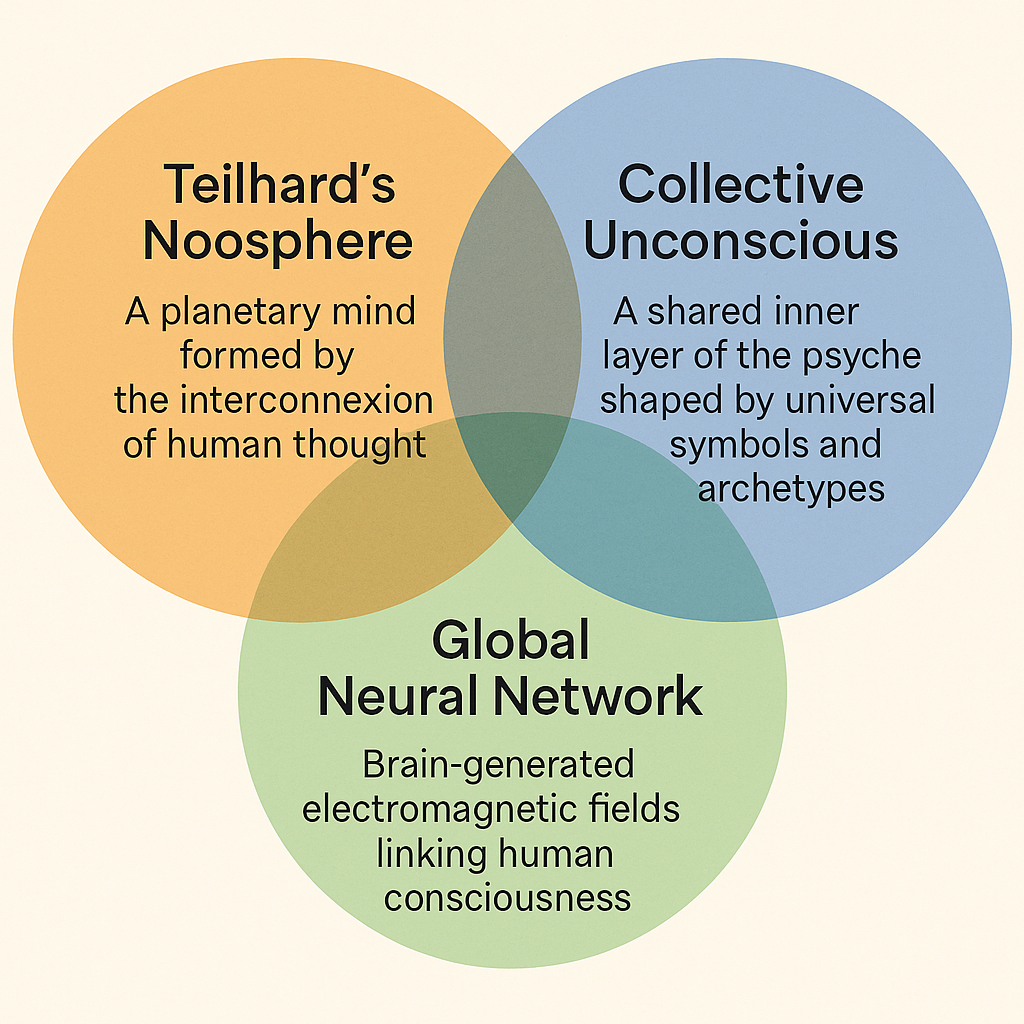



 Philosophical Healing