
Embrace the Spiral Staircase: Why Progress Lies in Constant Evolution

In a world that is constantly evolving, it is essential to embrace the spiral staircase of progress. This captivating path rewards those who dare to step out of their comfort zones and venture into uncharted territories. Join me as I discuss the secrets behind constant evolution, uncovering how embracing change can lead you towards extraordinary achievements.

Introduction to the concept of a spiral staircase and its relation to progress

A spiral staircase is a unique architectural feature that has been used in buildings for centuries. It is characterized by its curved, twisting design that allows for a compact and efficient use of space. However, the spiral staircase is not just a functional element in a building – it also holds a deeper meaning when it comes to progress and evolution.

The concept of a spiral staircase can be traced back to ancient civilizations such as the Egyptians and Greeks who incorporated them in their temples and other structures. This demonstrates that the idea of progression through constant movement has been ingrained in our society since ancient times.

One of the key characteristics of a spiral staircase is its continuous upward movement. Unlike traditional straight staircases, which have distinct levels or landings, a spiral staircase offers an uninterrupted journey from one level to another. This represents the idea that progress is not linear; it does not happen in a straight line but rather through twists and turns, ups and downs.

In the realm of philosophy, a spiral staircase serves as an intriguing metaphor that encapsulates the complex and ever-evolving nature of human understanding. Just like ascending a spiral staircase, philosophical exploration involves continuous ascent towards higher levels of comprehension. Each step represents a new perspective gained through critical thinking and introspection, leading us to uncover deeper insights into the mysteries of existence. The very structure of a spiral staircase reflects the non-linear and interconnected paths we encounter in our intellectual journey.

As we ascend, we often find ourselves revisiting familiar ideas from different angles, grasping fresh meanings with every revolution around its core. The twists and turns encountered on this cerebral climb resemble paradigm shifts or epiphanies that challenge conventional wisdom and expand our cognitive horizons. Like contemplating profound questions posed by philosophers throughout history, climbing a spiral staircase compels us to embrace uncertainty while seeking enlightenment at each level – forever spiraling upward toward truth’s elusive apex.

Moreover, the shape of a spiral staircase symbolizes growth and transformation. Just like how each step on the stairs leads to a new level, each turn on the spiral represents overcoming obstacles and challenges on our path towards progress. It encourages us to embrace change and adaptability as necessary factors for growth.

Traditional linear thinking vs. embracing the spiral staircase mindset

Traditional linear thinking is a mindset that has been ingrained in our society for centuries. It is based on the belief that progress and success can only be achieved by following a set path, with each step building upon the one before it. This approach to problem-solving and decision-making has served us well in many ways, allowing us to make advancements in various fields such as science, technology, and business.

However, as we continue to face complex challenges and rapid changes in our world today, it has become increasingly clear that traditional linear thinking may not always be effective. In fact, many experts argue that embracing a spiral staircase mindset is crucial for individuals and organizations to thrive in this dynamic landscape.

So what exactly is the spiral staircase mindset? In simple terms, it refers to a way of thinking and approaching problems that involves constant evolution and adaptation. Rather than viewing progress as a straight line from point A to point B, the spiral staircase mindset recognizes that growth and development often involve moving forward while also circling back or taking detours along the way.

One of the key differences between traditional linear thinking and the spiral staircase mindset is their perspectives on change. The former tends to see change as disruptive or something to be avoided at all costs. On the other hand, the latter embraces change as an opportunity for growth and learning. By constantly evolving and adapting, individuals with a spiral staircase mindset are better equipped to navigate through unexpected challenges or setbacks.

Another important aspect of this mindset is its focus on continuous improvement rather than perfection. In a linear thinking approach, the goal is often to reach a certain endpoint or achieve a specific outcome. This can lead to a fixed mindset where mistakes and failures are seen as roadblocks. In contrast, the spiral staircase mindset recognizes that there is always room for growth and improvement, and mistakes are seen as valuable learning opportunities.

Embracing the spiral staircase mindset also requires letting go of rigid plans and expectations. Instead of trying to control every aspect of our lives, we must learn to be flexible and adapt to changing circumstances. This doesn’t mean giving up on goals or ambitions, but rather being open to different paths and methods for achieving them.

The benefits of constantly evolving and adapting instead of chasing short-term goals

In today’s fast-paced and ever-changing world, it is becoming increasingly important for individuals and businesses to constantly evolve and adapt in order to stay relevant and thrive. This means shifting the focus from chasing short-term goals to embracing a continuous cycle of growth and improvement.

One of the main benefits of constantly evolving and adapting is the ability to stay ahead of the curve. By continuously learning, innovating, and adapting, you are better equipped to anticipate changes in your industry or market and adjust accordingly. This not only allows you to remain competitive but also positions you as a leader in your field.

Another advantage of prioritizing constant evolution is the ability to be flexible and resilient in the face of challenges. Rather than being stuck with rigid plans or strategies that may quickly become obsolete, constantly evolving allows you to pivot as needed and find new solutions when faced with obstacles. This adaptability can also lead to greater efficiency as it allows for a more agile approach to problem-solving.

Moreover, embracing constant evolution fosters a culture of innovation within an individual or organization. When there is a mindset of always seeking improvement, there is room for creativity and out-of-the-box thinking. This can lead to new ideas, products, or processes that can drive success in unexpected ways.

Furthermore, constantly evolving also leads to personal growth and development. By continually challenging yourself and pushing outside of your comfort zone, you are able to gain new skills, knowledge, and experiences that contribute towards your overall growth as an individual. This not only benefits you professionally but can also lead to personal fulfillment and a sense of purpose.

Lastly, constantly evolving and adapting allows for a more sustainable approach to achieving long-term success. Instead of chasing short-term goals that may lead to burnout or unsustainable practices, focusing on continuous growth and improvement sets the foundation for long-term success and stability.

Examples from history and pop culture that showcase the power of embracing the spiral staircase

Throughout history and in popular culture, the spiral staircase has been a symbol of progress and constant evolution. From its use in ancient architecture to its representation in modern media, the spiral staircase serves as a visual reminder that growth and advancement often occur through embracing change and following a non-linear path.

One prominent example from history is the iconic spiral staircase at Château de Chambord in France. Built during the Renaissance period, this grand staircase features an intricate design with two intertwining spirals that never meet. This unique structure not only serves as a functional means of accessing different levels of the castle but also represents the idea of continuous improvement and expansion.

In literature, J.R.R Tolkien’s “Lord of the Rings” trilogy also showcases the power of embracing the spiral staircase. In his epic tale, Frodo Baggins embarks on a journey to destroy an evil ring that threatens to destroy Middle Earth. Along his quest, Frodo encounters numerous challenges and setbacks but ultimately embraces change and adapts to new circumstances, just like climbing up a spiral staircase.

In pop culture, television shows such as “Game of Thrones” have also incorporated spiral staircases into their narrative. The show’s iconic opening sequence features a series of spiraling gears and mechanisms that represent different characters’ journeys towards their ultimate goals. This imagery further emphasizes how progress often involves navigating through obstacles and taking unexpected turns.

Moreover, musicians have also used symbolism associated with spiral staircases in their work. American rock band Pearl Jam released their hit song “Spiral” in 1996, which describes the cyclical nature of life and how one must embrace change and keep moving forward. The band’s lead singer, Eddie Vedder, also incorporated a spiral staircase into the stage design for their tour, further reinforcing the theme of constant evolution.

In all these examples, the spiral staircase serves as a powerful symbol that represents progress and embracing change. Its presence in history and popular culture reminds us that growth often comes from following a non-linear path and adapting to new challenges. Just like climbing up a spiral staircase, life is full of twists and turns, but by embracing them, we can reach new heights and achieve our goals.

Practical tips on how to adopt this mindset in your personal and professional life

Adopting a mindset of constant evolution and growth is essential for personal and professional development. However, it can be challenging to know where to start and how to implement this mindset in our daily lives. In this section, we will explore practical tips on how to adopt this spiral staircase mindset in your personal and professional life.

  1. Embrace change: The first step towards adopting the spiral staircase mindset is to embrace change. Change is inevitable, and instead of resisting it, learn to accept it with an open mind. When you are open to change, you create opportunities for growth and progress in your life.
  2. Set realistic goals: Setting achievable goals helps us stay motivated and focused on our journey of constant evolution. Make sure your goals align with the direction you want your life or career to take. Break down big goals into smaller ones that are easier to attain, making it easier to track your progress.
  3. Learn from mistakes: It’s crucial not only to embrace change but also learn from mistakes along the way. Mistakes are valuable learning experiences that help us grow and evolve as individuals. Instead of dwelling on them, reflect on what went wrong and use that knowledge moving forward.
  4. Surround yourself with positive influences: Your environment plays a significant role in shaping your thoughts and actions. Surround yourself with people who have a similar growth mindset as you do, who support and encourage you to keep evolving.
  5. Continuously seek new knowledge: A curious mind is critical when it comes to adopting a spiral staircase mindset. Make it a habit to seek new knowledge and learn something new every day. This could be through reading books, attending workshops or seminars, or simply having meaningful conversations with others.
  6. Embrace challenges: Challenges are inevitable in life, and they provide an opportunity for growth and development. Instead of avoiding them, embrace them as opportunities to learn and push yourself out of your comfort zone.
  7. Reflect on your progress: Regularly take time to reflect on your progress and celebrate your achievements, no matter how small they may seem. This will help you stay motivated and keep moving forward on your journey.
  8. Practice self-care: Taking care of yourself is essential when it comes to personal growth. Ensure you prioritize self-care by getting enough rest, eating well, exercising regularly, and finding ways to manage stress effectively.
  9. Be open-minded: Having an open mind means being willing to consider new ideas and perspectives without judgment or bias. It’s crucial to keep an open mind when adopting the spiral staircase mindset as it allows for continuous learning and growth.
  10. Trust the process: Finally, trust the process of constant evolution and trust in yourself that you are capable of achieving your goals and becoming the best version of yourself. Trust that every step you take, no matter how small, is moving you closer towards your desired destination.

Overcoming fear and resistance towards change for continuous growth

Change is an inevitable part of life. The world around us is in a constant state of flux, and we must learn to adapt and evolve with it in order to thrive. However, despite the undeniable benefits that come with change, many of us still struggle with fear and resistance towards it. We tend to cling onto what is familiar and comfortable, afraid of the unknown and uncertain future that lies ahead.

But here’s the truth – growth cannot happen without change. Just like how a seed needs to break out of its shell for new life to sprout, we too must leave behind our comfort zones in order to reach our full potential. Whether it’s personal growth or professional development, overcoming fear and resistance towards change is crucial for continuous progress and evolution.

Here are some key steps you can take to embrace change, let go of your fears, and cultivate a mindset of continuous growth:

  1. Acknowledge Your Fears: The first step towards overcoming any obstacle is acknowledging its presence. Take some time to reflect on your fears surrounding change – what triggers them? Is it fear of failure? Fear of the unknown? Once you identify these fears, you can then start working on ways to overcome them.
  2. Embrace Uncomfortable Situations: Change often brings discomfort as we are forced out of our comfort zones into unfamiliar territory. Instead of resisting this discomfort, try embracing it as an opportunity for growth. Push yourself out of your comfort zone by taking on new challenges or trying something different than your usual routine.
  3. Focus on the Positive Outcomes: Instead of dwelling on what could go wrong, focus on the potential positive outcomes that can come from change. Visualize yourself in a better place, whether it’s personal or professional, and let that motivate you to embrace change.
  4. Take Small Steps: Change can be overwhelming if we try to make too many changes at once. Instead, break down your goals into smaller, more manageable steps. This not only makes the process less daunting but also gives you a sense of accomplishment as you reach each milestone.
  5. Surround Yourself with Support: Having a strong support system is crucial when facing change. Surround yourself with people who encourage and support your growth, and who can offer guidance and advice when needed.
  6. Practice Self-Compassion: Change can be challenging, and it’s important to be kind to yourself throughout the process. Be gentle with yourself if you make mistakes or face setbacks – remember that growth is a continuous journey, and it’s okay to stumble along the way.
  7. Learn from Past Experiences: Look back at times when you have successfully navigated through change in the past. What strategies did you use? What lessons did you learn? Use these experiences as a reminder that you are capable of adapting and thriving in new situations.
  8. Keep an Open Mind: One of the biggest barriers to change is having a closed mind. Be open to new ideas, perspectives, and ways of doing things. This not only helps you adapt to change but also allows for continuous learning and growth.

Change may be scary, but it is also necessary for our personal and professional development. By acknowledging our fears, embracing discomfort, focusing on positive outcomes, surrounding ourselves with support, and being open-minded, we can overcome resistance towards change and cultivate a mindset of continuous growth. Remember that growth happens outside of our comfort zones – so don’t be afraid to step out into the unknown and embrace change.

Conclusion: Embracing the spiral staircase as a way

Throughout history, humans have always been in pursuit of progress and improvement. We constantly strive to better ourselves, our lives, and our society. However, many times we tend to overlook the importance of embracing change and accepting that growth is not a linear process. Just like the spiral staircase has no straight path but takes us upwards in an ever-changing direction, so does our journey towards progress.

By resisting change and clinging onto old ways, we limit ourselves from reaching our full potential. It is only when we embrace new ideas, perspectives, and experiences that we can truly grow and evolve as individuals. The spiral staircase teaches us that sometimes taking a step back or even going in circles can lead us closer to our goals.

It is also crucial to understand that progress does not mean perfection. The nature of a spiral is imperfect yet beautiful. Similarly, our journey towards progress will have its ups and downs; it will not always be smooth sailing but rather filled with obstacles and challenges. But these imperfections are what make us stronger and shape us into who we are meant to be.

Moreover, the idea of embracing the spiral staircase goes beyond personal growth; it also applies to societal progress. We live in a constantly changing world, and it is important to adapt and embrace new ideas and ways of thinking to move forward. Just like the spiral staircase takes us upwards, societal progress is a continuous process that requires us to constantly evolve and adapt.

The spiral staircase serves as a powerful metaphor for our journey towards progress. It reminds us to let go of our resistance to change, embrace imperfections, and trust the process of growth. So embrace the spiral staircase as a way of life and continue on your path towards progress.
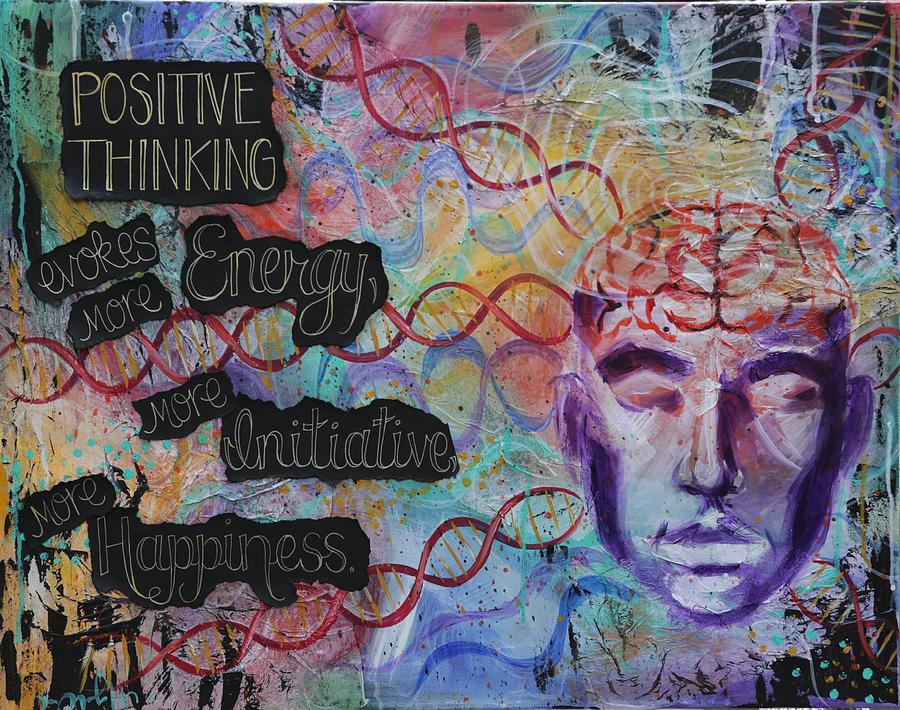

Unlocking Your Potential: 7 Strategies to Transform your Life through Positive Thoughts

Imagine a world where positive thoughts effortlessly guide you towards success and happiness. Here, I discuss 7 powerful strategies that will help unlock your potential, allowing you to live a life filled with positivity, purpose, and endless possibilities. Say goodbye to self-doubt and negative thinking as we embark on this incredible journey together. Get ready to embrace the power of positive thoughts and watch as they work wonders in every aspect of your life…

The Power of Positive Thoughts

Positive thoughts are a powerful tool that can completely transform our lives. Our thoughts have the ability to shape our reality and influence our actions, behaviors, and emotions. When we have a positive mindset, we attract positivity into our lives and create a ripple effect of happiness and success.

Understanding the Power of Positive Thoughts:
Our thoughts are like seeds that we plant in our minds. Just like how a seed grows into a tree with proper nurturing and care, our thoughts also manifest into reality with consistent reinforcement. This is known as the power of positive thinking – the belief that by changing our thoughts, we can change our lives.

Positive thinking doesn’t mean ignoring or denying negative situations or feelings; it means choosing to focus on the good instead of dwelling on the bad. By shifting our perspective towards positivity, we can rewire our brains to look for opportunities rather than obstacles.

Benefits of Positive Thinking:
The benefits of positive thinking are endless. It not only improves our mental well-being but also has a significant impact on other areas of life such as relationships, career, health, and overall happiness.

  1. Improved Mental Health: Negative thoughts can lead to stress, anxiety, and depression whereas positive thoughts promote feelings of peace and contentment. By consciously choosing positive thoughts, we can improve our overall mental health and well-being.
  2. Better Relationships: Our attitude and outlook play a vital role in maintaining healthy relationships with others. When we radiate positivity through our words and actions, it attracts people towards us and helps in building strong and meaningful connections.
  3. Increased Resilience: Positive thinking helps us to see setbacks as temporary and challenges as opportunities for growth. This mindset allows us to bounce back from failures and setbacks with greater strength and resilience.
  4. Improved Physical Health: Our thoughts also have a powerful impact on our physical health. Positive thinking has been linked to better immunity, lower stress levels, and improved overall physical well-being.
  5. Enhanced Productivity: When we have a positive mindset, we are more motivated, focused, and productive. This leads to increased efficiency and success in various aspects of life.

Ways to Cultivate Positive Thoughts:

  1. Practice Gratitude: Take some time each day to reflect on the things you are grateful for. This cultivates a sense of positivity by focusing on the good things in your life.
  2. Surround Yourself with Positivity: The people we surround ourselves with can greatly influence our thoughts and emotions. Surround yourself with positive, supportive individuals who uplift you.
  3. Challenge Negative Thoughts: Whenever you catch yourself having negative thoughts, challenge them by asking yourself if they are true or helpful. Replace them with positive affirmations or statements instead.
  4. Engage in Activities You Enjoy: Doing activities that bring you joy and happiness can boost your mood and promote positive thoughts.
  5. Practice Mindfulness: Being mindful helps us to be more present in the moment and appreciate the good things around us. This can help shift our focus towards positivity.

Understanding the Role of Thoughts in Shaping Your Life

The Power of Thoughts

Thoughts are not just mere fleeting ideas that come and go. They carry energy and have the ability to impact our emotions, actions, and physical well-being. In fact, research has shown that positive thoughts can lead to a more optimistic mindset, greater resilience in the face of challenges, and even improved physical health.

On the other hand, negative thoughts can create a downward spiral of self-doubt, fear, and limited beliefs about ourselves and the world around us. This can hold us back from reaching our full potential and living a fulfilling life.

How Our Thoughts Shape Our Perceptions

Our perceptions of reality are heavily influenced by our thoughts. For example, if you constantly think negatively about yourself or your abilities, you will start to believe that you are not capable of achieving your goals or deserving of success.

Conversely, if you think positively about yourself and your capabilities, you will have a more confident outlook on life and be more open to taking risks and pursuing opportunities.

It’s important to remember that our thoughts are not always reflective of reality – they are often distorted by our past experiences or fears. By understanding this concept, we can learn how to challenge negative thoughts and reframe them in a more positive light.

  1. Identify Your Negative Thoughts

The first step in harnessing the power of thoughts is to become aware of your thinking patterns. Notice when you have recurring negative thoughts or beliefs about yourself, others, or situations.

For example, do you often think “I’m not good enough” or “I’ll never be successful”? These types of thoughts can be damaging and hold you back from reaching your full potential.

  1. Question Your Negative Thoughts

Once you’ve identified your negative thoughts, take a step back and question them. Ask yourself if there is any evidence to support these thoughts or if they are just assumptions based on past experiences or fears.

Often, we realize that our negative thoughts are not based on facts and are just limiting beliefs that we have internalized over time.

  1. Reframe Your Thoughts

After questioning your negative thoughts, try to reframe them in a more positive light. Instead of saying “I’ll never be successful,” try thinking “I may face challenges, but I am capable of overcoming them.”

This can help shift your perspective and lead to more productive and empowering thoughts.

  1. Practice Positive Self-Talk

In addition to reframing your negative thoughts, make a conscious effort to practice positive self-talk. This involves replacing self-critical thoughts with self-affirming ones.

For example, instead of saying “I’m so stupid,” try saying “I made a mistake, but I am capable of learning from it and doing better next time.”

  1. Surround Yourself With Positivity

The people we surround ourselves with can also have a significant impact on our thoughts and perceptions. Try to spend more time with positive, supportive individuals who uplift and inspire you.

Limit your exposure to negative influences such as toxic relationships or media that promotes negative messages.

  1. Set Goals and Take Action

Having clear goals and taking action towards them can also help shape your thoughts in a positive direction. When you have a sense of purpose and are actively working towards something, it becomes easier to stay focused on the present moment and maintain a positive mindset.

  1. Practice Mindfulness

Mindfulness is the practice of being fully present in the moment without judgment. This can help reduce negative thinking patterns by allowing you to observe your thoughts without getting caught up in them.

Through mindfulness, you can learn to let go of negative thoughts and focus on the present moment, leading to a calmer and more positive state of mind.

Strategy 1: Practicing Gratitude and Appreciation

Gratitude and appreciation are powerful emotions that have the ability to transform our thoughts and ultimately, our lives. When we focus on what we are thankful for and express appreciation towards ourselves and others, we create a positive mindset that can help us unlock our potential.

Here are some effective ways to incorporate gratitude and appreciation into your daily life:

  1. Keep a gratitude journal: Taking a few minutes each day to write down things you are grateful for can greatly improve your mood and overall outlook on life. This simple practice helps shift your focus from what you lack to what you already have, encouraging feelings of contentment and abundance.
  2. Express appreciation towards yourself: Often, we tend to be our own worst critic. However, it is important to acknowledge our achievements, big or small, and give ourselves credit for them. Take time every day to reflect on something positive you did or accomplished, whether it’s completing a work project or simply getting out of bed in the morning.
  3. Practice random acts of kindness: One of the most fulfilling ways to show gratitude is by spreading kindness to those around us. Whether it’s buying coffee for the person behind you in line or offering a helping hand to someone in need, these small gestures not only make others feel appreciated but also bring joy into our own lives.
  4. Focus on the present moment: It’s easy to get caught up in worries about the future or regrets about the past. However, practicing mindfulness and being present in the moment can help us appreciate the little things in life that often go unnoticed. Take a few deep breaths and focus on your surroundings, allowing yourself to fully experience and appreciate them.
  5. Express gratitude towards others: Showing appreciation towards those in our lives, whether it’s friends, family, or coworkers, not only makes them feel valued but also strengthens our relationships with them. Make an effort to thank someone for their help or simply let them know how much they mean to you.

Incorporating these simple practices into your daily routine can greatly increase feelings of gratitude and appreciation, leading to a more positive outlook on life. Remember to be patient with yourself and make self-care a priority as you work towards cultivating these powerful emotions.

Strategy 2: Affirmations and Self-Talk

Affirmations and self-talk are powerful tools that can help transform your life through the power of positive thoughts. These techniques involve consciously choosing and repeating positive statements to yourself in order to change your mindset and beliefs. By incorporating these practices into your daily routine, you can unlock your potential and achieve personal growth in all areas of your life.

The concept of affirmations is based on the idea that our thoughts and words have a direct impact on our reality. When we constantly tell ourselves negative things, we are reinforcing those beliefs and limiting our potential. On the other hand, by deliberately choosing to focus on positive statements, we can rewire our brains to think more positively and attract more positivity into our lives.

One way to use affirmations is by writing them down or saying them out loud every day. This repetition helps to embed these statements into our subconscious minds, where they can influence our thoughts, actions, and behaviors. Affirmations should be personalized according to what you want to manifest in your life. For example, if you want to improve your self-confidence, you could say “I am confident” or “I believe in myself” repeatedly throughout the day.

It is important to note that simply repeating affirmations will not bring about change if there is no intention behind them. You must truly believe in what you are saying for it to have a significant impact on your mindset. To strengthen this belief, try visualizing yourself already embodying the qualities or traits described in your affirmations.

Self-talk , on the other hand, refers to the ongoing internal dialogue we have with ourselves. This can be positive or negative, and it often happens automatically without us even realizing it. By paying attention to your self-talk and consciously choosing to replace negative thoughts with positive ones, you can shift your mindset and cultivate a more positive outlook on life.

One way to practice positive self-talk is by reframing negative statements into more empowering ones. For example, instead of saying “I’m not good enough,” try saying “I am constantly growing and improving.” Another technique is to use gratitude as a form of self-talk. Instead of focusing on what you lack or what went wrong, remind yourself of all the things you are grateful for in your life.

Incorporating affirmations and positive self-talk into your daily routine may feel awkward or uncomfortable at first, especially if you are used to thinking negatively. However, with time and consistency, these practices can help rewire your brain for more positivity and bring about significant changes in your mindset and overall well-being.

Strategy 3: Goal Setting and Visualization

Goal setting and visualization are two powerful tools that can help you achieve personal growth by creating a clear vision for your future self and taking actionable steps towards that vision.

Setting goals involves identifying what you want to achieve in different areas of your life, such as career, relationships, health, and personal development. These goals should be specific, measurable, achievable, relevant, and time-bound (SMART) in order to increase the likelihood of success.

To set effective goals, begin by visualizing your ideal future self. What does this person look like? What do they do? How do they feel? Use this vision as inspiration to identify your long-term goals. Then, break these down into smaller short-term goals that you can work towards on a daily or weekly basis.

Visualization is a technique that involves imagining yourself already achieving your desired outcome. By regularly visualizing yourself successfully reaching your goals, you are training your brain to believe that it is possible. This can help increase motivation and confidence in pursuing those goals.

To practice visualization, find a quiet and comfortable space where you won’t be disturbed. Close your eyes and imagine yourself in vivid detail living out your future success. Engage all your senses – what do

Strategy 3: Visualization Techniques

Visualizing your goals and dreams is a powerful tool in unlocking your potential and transforming your life. It involves creating mental images of what you want to achieve, feel, or experience in order to manifest it into reality.

Here are some effective visualization techniques that can help you harness the power of your mind and bring positive changes into your life:

  1. Create a vision board
    A vision board is a visual representation of your goals, dreams, and aspirations. It can be a physical board where you pin images, quotes, and affirmations that represent what you want to achieve. You can also create a digital version using online tools such as Canva or Pinterest. The key is to regularly look at your vision board and visualize yourself already living the life you desire.
  2. Use guided imagery
    Guided imagery is a relaxation technique where you use all of your senses to imagine yourself in a peaceful place or situation. You can do this by listening to an audio recording or simply closing your eyes and focusing on deep breathing while imagining yourself in a serene setting. This technique helps reduce stress and anxiety while also allowing you to visualize achieving your goals with ease.
  3. Practice daily affirmations
    Affirmations are positive statements that reflect what you want to manifest in your life. By repeating them daily, you are training your mind to focus on the positive outcomes rather than the negative ones. To make them more effective, try saying them out loud with conviction while visualizing yourself already embodying the affirmation.
  4. Create a mental movie
    Imagine yourself as the main character in a movie where you have achieved your goals and are living your dream life. Visualize every detail, from the sights and sounds to the emotions you feel. This technique can help you stay motivated and focused on your goals.
  5. Use visualization during meditation
    Meditation is a great way to quiet the mind and tap into your inner self. During meditation, you can visualize yourself achieving your goals while also connecting with your deeper desires and motivations. This can bring clarity and alignment to your actions towards achieving your dreams.

Remember, visualization alone is not enough to achieve your goals. It must be accompanied by action and effort towards making your dreams a reality. But incorporating these techniques into your daily routine can help strengthen your belief in yourself and increase motivation, ultimately leading to success in reaching your goals.

Strategy 4: Surrounding Yourself with Positivity

Surrounding yourself with positivity is an integral strategy in unlocking your potential and transforming your life through positive thoughts. The people, environment, and energy that you surround yourself with have a profound impact on your overall well-being and outlook on life. By consciously choosing to surround yourself with positivity, you can cultivate a mindset of optimism, resilience, and motivation to reach your full potential.

  1. Identify Negative Influences: The first step in surrounding yourself with positivity is to identify any negative influences in your life. This could include toxic relationships, negative self-talk, or unhealthy habits. Take the time to reflect on the things that bring you down or drain your energy, and make a conscious effort to eliminate them from your life.
  2. Cultivate Positive Relationships: One of the most powerful ways to surround yourself with positivity is by cultivating positive relationships. Surrounding yourself with supportive friends and family who uplift you and believe in your potential can greatly influence how you see yourself and the world around you. Seek out people who radiate positive energy, inspire you to be better, and celebrate your successes.
  3. Create a Positive Environment: Your physical surroundings can also have a significant impact on your mood and mindset. Make an effort to create a space that promotes positivity – whether it’s decluttering your living space, incorporating plants or natural light into your environment, or displaying motivational quotes or images that inspire you.
  4. Practice Gratitude: Gratitude is a powerful tool for shifting our focus towards the positives in our lives. Take a few moments each day to reflect on the things you are grateful for, whether it’s your health, loved ones, or opportunities. This practice can help cultivate a mindset of abundance and appreciation, which can boost overall positivity.
  5. Engage in Positive Activities: Engaging in activities that bring joy and fulfillment into your life is another way to surround yourself with positivity. This could include hobbies, volunteering, or simply spending time in nature. By prioritizing activities that bring you happiness and satisfaction, you are actively choosing to focus on the positive aspects of life.
  6. Practice Positive Self-Talk: Our thoughts have a powerful influence on our actions and behaviors. Make an effort to replace negative self-talk with positive affirmations and beliefs about yourself. Instead of criticizing yourself for mistakes, celebrate your progress and acknowledge your strengths.

By consciously surrounding yourself with positivity through relationships, environment, and daily practices, you can cultivate an optimistic mindset and unlock your potential for personal growth and success. Remember that positivity is a choice – make the decision to embrace it every day.

Strategy 5: Letting Go of Negative Thoughts and Emotions

Our thoughts and emotions have a powerful impact on our lives. They can either hold us back or propel us forward towards our goals and aspirations. However, negative thoughts and emotions can be particularly damaging, as they can prevent us from reaching our full potential.

So how do we let go of these negative thoughts and emotions? Here are some strategies to help you transform your life through positive thoughts:

  1. Identify the source of your negative thoughts
    The first step in letting go of negative thoughts is to identify where they are coming from. Is it a past experience that has left a mark on you? Is it a current situation that is causing you stress and anxiety? By understanding the root cause of your negativity, you will be better equipped to address it.
  2. Challenge your negative thoughts
    Once you have identified the source of your negative thoughts, challenge them. Ask yourself if they are based on facts or if they are just assumptions. Often, our minds tend to exaggerate things or make assumptions without any evidence. By challenging these thoughts, you can begin to see them in a more realistic light.
  3. Practice mindfulness
    Mindfulness is the practice of being present in the moment without judgment or attachment to our thoughts and emotions. It allows us to observe our thoughts without getting caught up in them. By practicing mindfulness regularly, we can learn to let go of negative thoughts as they arise instead of dwelling on them.
  4. Find healthy ways to cope
    Sometimes, negative thoughts and emotions can be overwhelming, and it may seem like there is no escape. Instead of turning to unhealthy coping mechanisms such as drugs or alcohol, find healthy ways to manage your emotions. This could include exercise, journaling, talking to a trusted friend or therapist, or engaging in a hobby that brings you joy.
  5. Surround yourself with positive influences
    The people we surround ourselves with can have a significant impact on our thoughts and emotions. Make an effort to spend time with people who uplift you and make you feel good about yourself. Avoid those who tend to bring you down or constantly engage in negative talk.
  6. Practice gratitude
    Gratitude is a powerful tool for shifting our mindset from negative to positive. Take some time each day to reflect on things you are grateful for, whether big or small. This can help bring more positivity into your life and help you let go of negativity.
  7. Forgive yourself and others
    Holding onto grudges and past mistakes can weigh us down with negative thoughts and emotions. Learn to forgive yourself for your own mistakes, and also forgive others who have wronged you. This doesn’t mean that you condone their actions, but it allows you to release the negative energy and move on.

Remember, letting go of negative thoughts and emotions is a process that takes time and effort. Be patient with yourself and practice self-compassion as you work towards a more positive mindset. With consistency and determination, you can transform your life for the better.

Strategy 6: Taking Action towards Your Goals and Dreams

In the previous strategies, we have discussed how positive thoughts can help you unlock your potential and transform your life. However, positive thinking alone is not enough to achieve your goals and dreams. It is important to take action towards them in order to turn them into reality.

Many people struggle with taking action because they are afraid of failure or do not know where to start. But the truth is, no dream or goal can be achieved without taking the first step. Here are some tips on how to take action towards your goals and dreams:

  1. Set specific and achievable goals: The first step towards taking action is setting clear and specific goals. Vague statements like “I want to be successful” or “I want to be happy” will not give you a clear direction to work towards. Instead, make your goals specific with a timeline attached to it. For example, “I want to get promoted within the next year” or “I want to save $10,000 for my dream vacation in two years”. This will give you a clear roadmap of what actions you need to take.
  2. Break down big goals into smaller tasks: Sometimes our goals can seem overwhelming when we look at them as a whole. To avoid feeling intimidated by them, break down big goals into smaller tasks that are more manageable and achievable in the short term. This will also give you a sense of progress as you check off each task from your list.

3 . Create an action plan: Once you have your goals and tasks in place, create an action plan. This can include specific actions you need to take, deadlines, and resources required. It will help you stay on track and hold yourself accountable.

  1. Take the first step: Often, the hardest part of taking action is starting. You may feel unsure or anxious about the outcome, but remember that every journey begins with a single step. Take that first step towards your goal, even if it’s a small one. This will give you momentum and motivation to keep going.
  2. Embrace failure: Failure is a natural part of the process when it comes to achieving our goals and dreams. Instead of being afraid of it, embrace failure as a learning opportunity and use it to improve yourself and your approach towards your goals.
  3. Surround yourself with supportive people: Having a support system can be extremely helpful in staying motivated and taking action towards your goals. Surround yourself with people who believe in you and your potential, who can offer valuable advice or simply be there to cheer you on.

Remember that taking action towards your goals is not a one-time thing – it requires consistent effort and dedication. But with a positive mindset and determination, you can turn your dreams into reality. So take the first step today and start working towards your goals!

Strategy 7: Cultivate a Grateful Mindset

Gratitude is a powerful tool that can have a transformative effect on our lives. It allows us to shift our focus from what we lack to what we have, which in turn brings more abundance and positivity into our lives. By cultivating a grateful mindset, we can unlock our potential and transform our lives in meaningful ways.

  1. Practice daily gratitude exercises: One of the best ways to cultivate a grateful mindset is by practicing gratitude exercises on a daily basis. This could be as simple as writing down three things you are grateful for every morning or evening. You can also keep a gratitude journal where you write down all the things you are thankful for each day.
  2. Focus on the present moment: Often, we get caught up in worrying about the future or dwelling on past mistakes, which prevents us from appreciating the present moment. By focusing on the here and now, we can find joy and contentment in even the smallest things around us. This helps us develop an attitude of gratitude towards life.
  3. Express your gratitude: Don’t just feel grateful, express it! Make it a habit to thank people who have helped you or made a positive impact in your life. Showing appreciation not only makes others feel good but also reinforces your own feelings of gratitude.
  4. Learn from challenging situations: It’s easy to feel grateful when everything is going well in our lives. But true growth happens when we learn to be thankful even during difficult times . Instead of dwelling on the negative aspects, try to find lessons and opportunities for growth in challenging situations.
  5. Surround yourself with grateful people: Gratitude is contagious, so surround yourself with people who have a grateful mindset. Spending time with positive and thankful individuals can help reinforce your own feelings of gratitude.
  6. Give back: Giving back to others not only helps those in need, but it also brings a sense of fulfillment and gratitude into our own lives. Volunteer your time, donate to charities, or simply perform random acts of kindness for others.
  7. Practice self-care: Taking care of ourselves is crucial for cultivating a grateful mindset. Make sure to prioritize self-care activities that bring joy and positivity into your life. This could be anything from exercise and healthy eating to hobbies and relaxation techniques.

Remember, cultivating a grateful mindset takes time and effort, but the rewards are well worth it. By incorporating these strategies into your daily life, you can transform your perspective and unlock the full potential of gratitude.

Reviving the Spirit: The Surprising Role of Fasting in Overcoming Addictions

Discover the unexpected superpower that has the potential to help you overcome your deepest and most stubborn addictions. Here, I delve into a practice that dates back centuries, yet remains largely untapped in today’s modern world. I explore the surprising role of fasting in reviving your spirits and breaking free from addictions. I uncover how this ancient discipline can bring about transformative results, leaving you inspired and empowered to embark on a new path towards healing and liberation.

Setting the Scene: The Reality of Addiction and its Effects on the Mind, Body, and Spirit

Addiction is a complex and multifaceted issue that affects millions of people around the world. Whether it is addiction to drugs, alcohol, food, or any other substance or behavior, it can have devastating effects on an individual’s mind, body, and spirit.

The mind is greatly affected by addiction as it alters brain chemistry and leads to changes in thought patterns and behaviors. This can result in a person becoming consumed by their addictive behaviors and losing control over their actions. It can also lead to mental health issues such as depression, anxiety, and even psychosis.

The body also suffers tremendously from addiction. Substance abuse can lead to physical health problems such as liver damage, heart disease, respiratory issues, and more. In addition to these direct consequences of substance abuse, addicts often neglect their physical well-being due to their preoccupation with obtaining and using their preferred substance.

But perhaps the most overlooked aspect of addiction is its impact on the spirit. Addiction takes a toll on an individual’s emotional well-being and can cause a sense of hopelessness, despair, guilt, shame,and low self-esteem. It can also damage relationships with loved ones and lead to feelings of isolation and loneliness.

Fasting has long been recognized for its ability to heal the mind, body,and spirit. Many religious traditions incorporate fasting into their spiritual practices as a means of purification and connecting with a higher power. Recent studies have also shown the physical benefits of fasting in terms of detoxifying the body and promoting overall health.

Combining the practice of fasting with addiction recovery can be a powerful tool for individuals struggling with addiction. By abstaining from their addictive substance or behavior, individuals are giving their bodies a chance to heal and reset. Additionally, fasting has been found to increase self-discipline and mindfulness, which are essential for breaking destructive habits.

Fasting can also have a profound effect on the mind by promoting mental clarity and reducing cravings for addictive substances. It allows individuals to focus on their inner selves and gain insight into the root causes of their addiction.

Most importantly, fasting can aid in spiritual growth. By abstaining from food or other distractions, individuals can devote more time to prayer, meditation, and/or reflection. This can help them reconnect with their sense of purpose and find inner peace.

Incorporating fasting into addiction recovery is not a replacement for professional treatment but rather a complementary practice that can enhance its effectiveness. It requires commitment and dedication but has the potential to bring about significant changes in an individual’s life.

Understanding Fasting: What is Fasting and How Does it Work?

Fasting is a practice that has been used for centuries in various cultures and religions as a means of spiritual purification and physical healing. So what exactly is fasting? In simple terms, fasting involves abstaining from food or certain activities for a period of time. This can range from short periods of hours to longer periods of days or even weeks. While it may seem like a daunting task to go without food or other comforts, the benefits of fasting are numerous.

One way to think about fasting is as giving your body a break from constantly digesting and processing food. When we eat, our bodies release insulin to help regulate blood sugar levels and store excess energy. But when we fast, the body switches into ketosis – a state where it burns stored fat for energy instead of glucose. This process not only helps with weight loss but also has numerous health benefits such as reducing inflammation and improving brain function.

In addition to physical benefits, fasting can has profound effects on our mental and emotional well-being. For those struggling with addiction, the act of abstaining from something they crave can be challenging but ultimately empowering. By taking control over their urges and desires through fasting, individuals can build discipline and willpower which are essential qualities in overcoming addiction.

Moreover, fasting allows us to tune into our inner selves more deeply by quieting external distractions like food or technology. This introspection can help individuals recognize patterns in their behaviors and thought processes, leading to personal growth and self-awareness.

The Science Behind Fasting and Addiction: How Fasting Affects the Brain and Helps Break Addictive Patterns

Recent scientific research has also revealed that fasting can have significant effects on the brain and help break addictive patterns. Addiction is a complex disorder that involves changes in brain chemistry, specifically in the reward and pleasure centers of the brain. When someone engages in addictive behavior, such as consuming drugs or alcohol, these substances trigger the release of dopamine – a neurotransmitter responsible for feelings of pleasure and reward. Over time, repeated use leads to a decrease in dopamine receptors, making it more difficult for individuals to experience pleasure without their addictive substance.

This is where fasting comes into play. Studies have shown that periods of abstinence from food can lead to an increase in dopamine receptors, essentially resetting the reward system in our brains. This means that during fasting, individuals may be able to experience pleasure from simple activities like spending time with loved ones or engaging in hobbies without relying on addictive substances.

Additionally, fasting has been found to improve cognitive function and reduce inflammation in the brain – both crucial aspects when it comes to overcoming addiction. Prolonged substance abuse can cause damage to neurons and impair memory function, but studies have shown that fasting promotes neurogenesis – the growth of new brain cells – which can improve cognitive abilities.

Another important aspect of addiction is cravings. The intense desire for substances and destructive behaviors often leads individuals back into their addictive habits even after they have undergone treatment. Fasting has been found to regulate hormones and reduce insulin resistance, leading to a decrease in cravings for addictive substances. This is because fasting helps balance out the hormones responsible for regulating hunger and satiety, reducing the urge to constantly seek out pleasure through addictive outlets.

Furthermore, fasting has been found to promote mindfulness and self-control – two crucial skills that are often lacking in individuals struggling with addiction. By abstaining from food, individuals learn to be more aware of their thoughts and feelings, leading to better control over impulsive behaviors and decision-making.

Philosophy of Fasting: Fasting and Spiritual Clarity

Throughout history, philosophers have displayed a deep fascination with the practice of fasting, recognizing it as a means to attain profound insights and spiritual clarity. Great thinkers sought not only physical sustenance but also a higher understanding of existence itself. This seemingly simple act of abstaining from food served as a conduit for introspection and contemplation, allowing these philosophical minds to delve into the depths of their consciousness.

By denying themselves the gratification of sustenance, they embarked on a journey towards self-discipline and enlightenment, transcending the mere limitations imposed by bodily needs. As these thinkers renounced worldly pleasures in favor of fasting, they believed that deprivation granted them access to hidden truths about human nature, morality, and even the fabric of reality itself. Philosophers across cultures embraced fasting not solely as an esoteric ritual but also as a transformative tool enabling them to unravel life’s enigmas in their tireless pursuit for wisdom.

By abstaining from food and often other sensory indulgences, philosophers embarked on a sacred journey that transcended mundane existence and prompted a heightened state of consciousness. Through this self-imposed asceticism, they sought to strip away worldly distractions and delve into the depths of their own minds—exploring the intricacies of thought and perception with unwavering tenacity.

For these insightful thinkers who traversed diverse cultural landscapes, fasting becomes an indispensable means to unlock new perspectives on reality while seeking clarity amidst intellectual turmoil. It is within the crucible of hunger pangs that they confronted existential questions head-on and endeavored to decipher the enigmatic fabric underlying human existence—a noble pursuit forever intertwined with their steadfast dedication to uncovering universal truths.

Benefits of Combining Fasting with Other Therapies for Addiction Recovery

Recent studies have shown that fasting can have numerous physical and mental health benefits. When combined with other therapies, such as those used in addiction recovery, fasting can be a powerful tool in helping individuals overcome their addictions.

  1. Detoxification:
    One of the main benefits of combining fasting with other therapies for addiction recovery is its ability to aid in the detoxification process. Many addictive substances leave harmful toxins in the body, which can contribute to cravings and withdrawal symptoms. Fasting allows the body to focus on eliminating these toxins instead of digesting food, resulting in a more efficient detoxification process.
  2. Increased self-awareness:
    Fasting requires individuals to give up something that they typically rely on – food – and this can be challenging both physically and mentally. This challenge forces individuals to become more aware of their thoughts and emotions without using food as an escape or coping mechanism. This increased self-awareness can be beneficial in addiction recovery by allowing individuals to better understand their triggers and develop healthier coping strategies.
  3. Improved mental clarity:
    Studies have shown that fasting can improve cognitive function and increase mental clarity due to an increase in production of brain-derived neurotrophic factor (BDNF). For individuals recovering from addiction, improved mental clarity can help them make better decisions and resist temptations related to their substance abuse.
  4. Increased motivation and discipline:
    Fasting requires a great deal of self-discipline and commitment, and successfully completing a fast can boost an individual’s sense of accomplishment and self-confidence. This can be particularly beneficial for individuals in addiction recovery who may struggle with feelings of low self-worth or have difficulty sticking to a treatment plan.
  5. Better absorption of nutrients:
    When fasting is combined with a healthy diet, the body is able to better absorb essential nutrients from food during the eating periods. This can help individuals recovering from addiction replenish any nutrient deficiencies caused by their substance abuse.
  6. Reduced inflammation:
    Fasting has been shown to reduce inflammation in the body, which is beneficial for individuals in addiction recovery as substance abuse can often cause chronic inflammation. By reducing inflammation, fasting can help alleviate physical symptoms associated with withdrawal and improve overall health and well-being.

In conclusion, combining fasting with other therapies for addiction recovery can provide numerous benefits for individuals seeking to overcome their addictions. It is important to note that fasting should always be done under the guidance of a healthcare professional, especially for those with pre-existing medical conditions or who are taking medication.