Lacanian Psychotherapy: A Transformative Journey to Overcoming Trauma

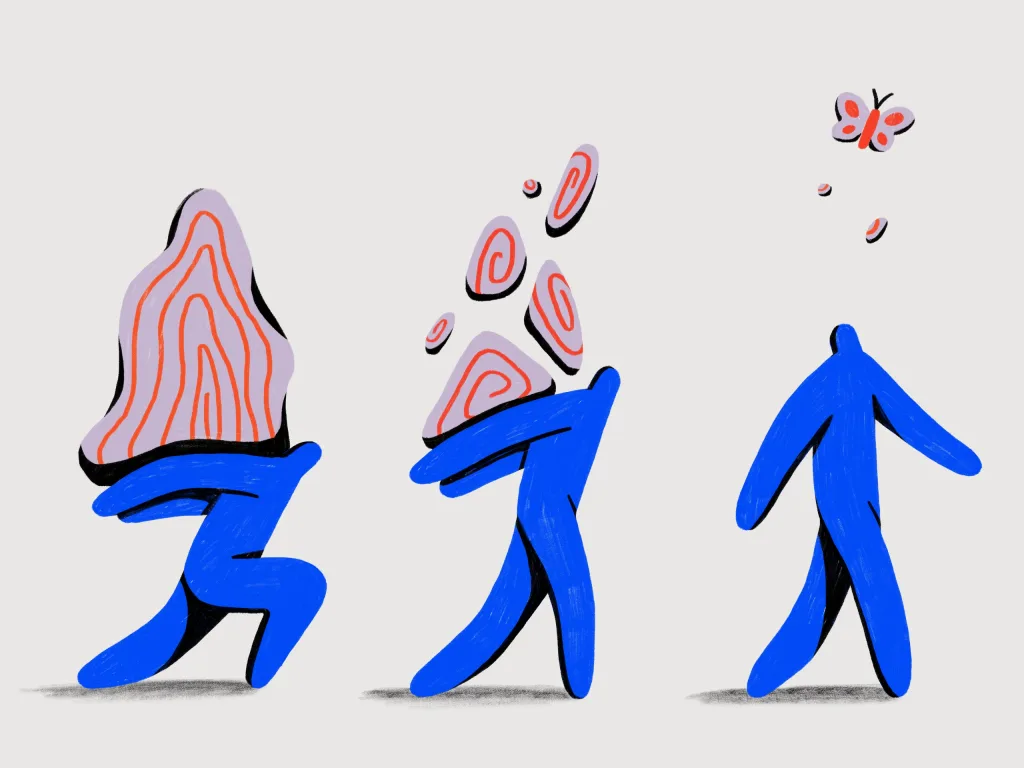
Trauma can be a heavy burden to carry, affecting our physical, emotional, and mental well-being. Trauma can fracture our identities and lead to feelings of alienation or disorientation. It may leave one feeling helpless and stuck with no way out of the painful memories that haunt us. However, with Lacanian psychotherapy, one can embark on a transformative journey towards overcoming trauma. This alternative approach to traditional talk therapy combines insights from Freudian psychology and French philosopher Jacques Lacan’s theory of language and the unconscious mind.

Introduction to Lacan and His Theory of Trauma

Lacan’s theory of trauma has been influential in both psychoanalysis and literary criticism. It has been used to explain the characters in many novels and plays who seem to be disconnected from themselves and from reality. Lacan’s theory can also clarify why some people who have experienced trauma may have difficulty functioning in society or developing healthy relationships.

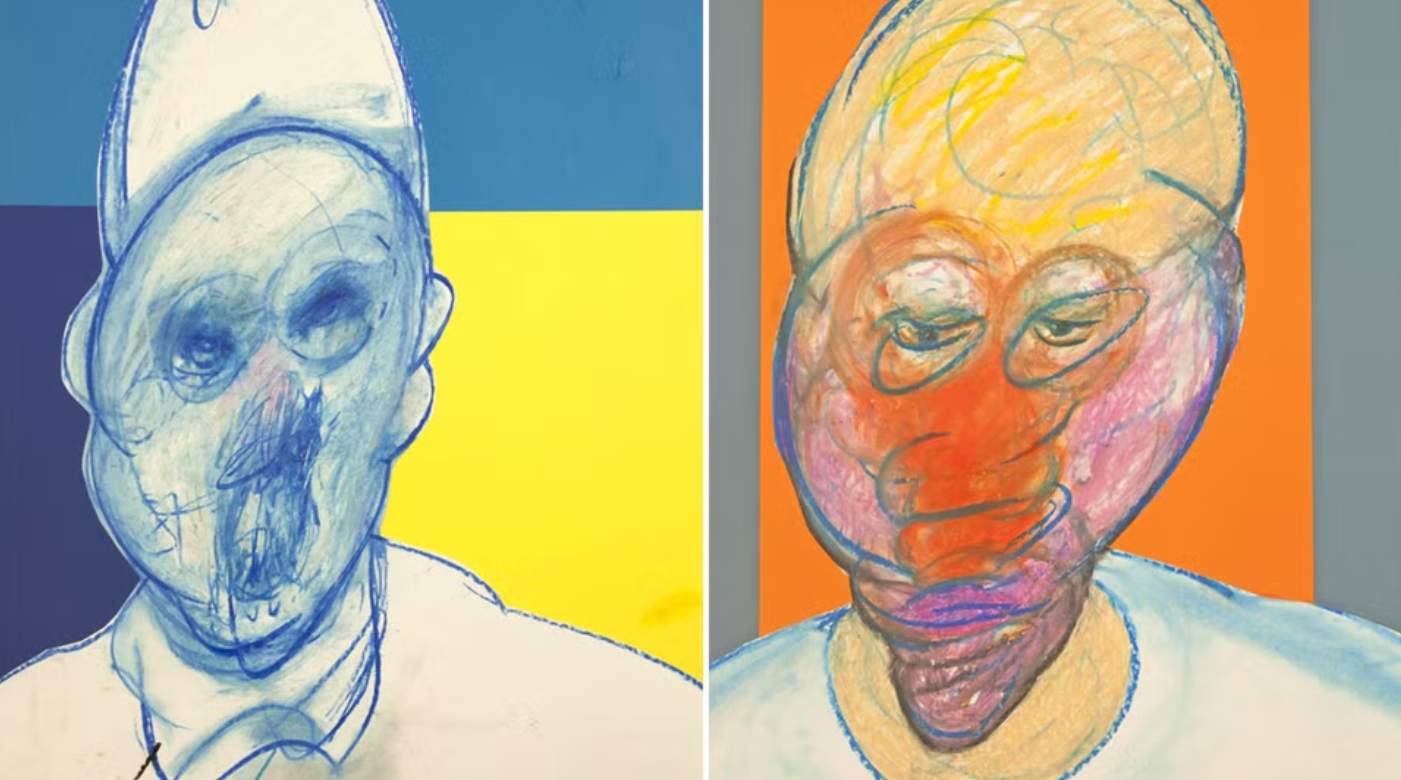
Lacan’s theory of trauma is centered around the idea of the “split self.” The split self is a result of the individual’s experience of trauma, which causes a break in the individual’s sense of self. This break can be seen as a physical or psychological injury that disrupts the individual’s ability to integrate their past experiences into their present sense of self. The individual may feel disconnected from their body and from their own thoughts and feelings. This can lead to a feeling of isolation and despair.

Lacan believed that the split self was a necessary defense mechanism that allowed the individual to cope with their trauma. However, he also believed that this defense mechanism could eventually become harmful if it was not resolved. The individual may become unable to function in society or may develop mental health problems such as anxiety or depression.

Exploring the Split Self and Its Role in Trauma

Lacan’s concept of the split self is a way to understand how the experience of trauma can lead to a sense of fragmentation and division within the self. The split self is a result of individuals’ attempts to defend themselves against the overwhelming experiences of trauma. This defense mechanism leads to a splitting of the self into two parts: the part that experiences the trauma and the part that tries to protect the individual from further harm.

The part of the self that experiences trauma is often referred to as the “true self.” This is because it is the part of the individual that is most in touch with their authentic emotions and experiences. The true self is often buried under layers of defense mechanisms, such as repression, denial, and dissociation. However, when these defenses are no longer able to protect the individual from experiencing pain, the true self comes out and expresses itself.

The other part of the split self is known as the “false self.” This is because it is a persona that the individual creates in order to protect him or herself from further hurt. The false self is often an idealized version of oneself that presents a happy façade to others. It may also be a more tough and aggressive persona that allows the individual to defend themselves physically or emotionally. The split between these two parts of the self can lead to a sense of fragmentation and isolation. The individual may feel like they are two separate people, each living in their own world.

Lacan’s concept of trauma can be best understood in relation to his theory of psychoanalysis. The split self is a result of the subject’s inability to reconcile the conflicting demands of the ego and the id. This conflict results in a division of the self into two separate parts: the ego-ideal and the ego-id. The ego-ideal is the part of the self that wants to meet the demands of the ego, while the ego-id is the part of the self that wants to meet the demands of the id. The conflict between these two parts of the self can lead to feelings of trauma and anxiety.

The Role of Language in Understanding Trauma

In order to understand trauma, it is also important to understand the role of language. Language is what allows one to communicate one’s experiences and thoughts to others. It is also what allows someone to make sense of his ore her experiences and understand the world. Without language, one would be unable to understand or process one’s experiences, and one would be unable to share those understandings with others.

Trauma is an experience that is so overwhelming that it shatters one’s ability to use language to make sense of it. This can happen because the trauma is too much to bear emotionally, or because one is physically unable to speak. When this happens, individuals are left feeling fragmented and disconnected from themselves and the world around them.

Lacan believed that trauma occurs when an individual is faced with an experience that cannot be symbolized by language. This experience shatters one’s ability to make sense of it and leaves one feeling lost and disconnected. This is why some people who have experienced traumatic events may never be able to talk about them. They may seem “stuck” in their trauma, re-living it repeatedly in their minds.

Power Dynamics of Trauma

Trauma is not simply one single event that has a lasting impact on an individual. Trauma is a process that unfolds over time, with different individuals experiencing different aspects of it. Trauma is a power dynamic between the individual and the traumatic event. This power dynamic between the individual and trauma can have lasting effects on an individual’s mental health. It can lead to problems with anxiety, depression, and PTSD. It can also lead to substance abuse and other forms of self-harm. Understanding this power dynamic is important for helping people who have experienced trauma to heal.

The ego is the part of the self that is in contact with reality, while the id is the part of the self that is cut off from reality. The ego tries to protect itself from the id by creating a barrier, or what Lacan calls “the imaginary. However, this barrier is not always effective. When faced with a traumatic event, the ego may be overwhelmed, and the id may take over. This can lead to dissociation, or a split between the ego and the id. The ego then experiences trauma as an overwhelming force that cannot be controlled or understood.

Lacanian Psychotherapy

Lacan’s psychoanalytic theory is built on the concept of the mirror stage. The mirror stage occurs during infancy, when the child first sees itself in a mirror and recognizes that it is a separate entity from others. This recognition leads to a sense of alienation and anxiety, which can only be alleviated through the formation of an ideal ego. The ideal ego is an imaginary version of the self that is perfect and unified. It serves as a way for the individual to cope with the anxiety produced by the realization of their own individuality.

Lacanian psychotherapy is a type of therapy that uses Lacan’s theories to help people overcome psychological problems. The therapist works to help the patient develop a more realistic view of themselves and to resolve any internal conflicts that may be causing distress. The goal of Lacanian psychotherapy is to help patients achieve a greater sense of self-awareness and self-acceptance.

Lacanian therapy has been shown to be effective in treating a variety of psychological disorders, including depression, anxiety, eating disorders, and OCD. It has also been used to help people who have experienced trauma recover from their experiences.

The Language of Unconscious Experience

Lacan’s theories center around the idea that there is a fundamental gap between words and things, between our conscious experiences and the unconscious reality that shapes them. This gap is what gives rise to anxiety, because it is impossible to ever know for certain what lies on the other side. In order to make sense of their lives, individuals rely on symbols and signs that point towards an underlying meaning that they can never fully grasp.

 Symbolic interactionism, a theory developed by George Herbert Mead, provides a useful framework for understanding how Lacanian ideas can be applied to psychotherapy. According to his theory, human beings engage in constant communication with others in order to create shared meaning. Language is the primary tool people use for this purpose, but it is always incomplete and imperfect. They must always fill in the gaps left by words with their own interpretations.

This process of interpretation is especially important when it comes to understanding one’s own mental states and experiences. The mind is constantly producing thoughts and feelings that are outside of conscious awareness. In order to understand these states, one must interpret the symbols and signs that are presented. This is where Lacanian psychoanalysis can be helpful.

Lacanian therapists aim to help their patients become aware of the underlying meanings of their symptoms and experiences. Through a process of free association and interpretation, they help patients uncover hidden truths about themselves that have been buried in their unconscious mind.

Exploring Repressed Memories and Emotions within a Lacanian Framework

Lacanian psychoanalysis posits that repressed memories and emotions are actually a result of one’s own subconscious desires. In Lacanian psychoanalysis, the human psyche is divided into three main parts: the ego, the superego, and the id. The id is the part of the psyche that contains one’s most basic and primal urges, while the superego is the part that regulates behavior according to societal norms. The ego is what mediates between these two extremes, and it is through this mediation that one can function in everyday life.

According to Lacan, there is a fourth part of the psyche known as the “real” which lies outside of our conscious awareness. This is where repressed memories and emotions reside. These memories and emotions are often too painful for to confront directly, so they remain buried in the subconscious. However, they can still have a powerful influence on one’s life, affecting the way one thinks, feels, and behaves.

Techniques Used in Lacanian Therapy

Lacanian psychoanalysis offers a way to resolve these issues through therapeutic techniques such as free association and interpretation of dreams. It is a unique approach to mental health that emphasizes the importance of language and symbols in one’s life. Practitioners works to help their clients overcome traumatic experiences by deciphering the meaning of their symptoms. This type of therapy often uses different techniques such as free association and interpretation of dreams. Lacanian therapy can be an effective treatment for patients who have experienced trauma as it can help individuals make sense of their symptoms and learn to cope with them in a healthy way.

Conclusion

This split self can lead to confusion and difficulty in establishing identity, but through exploration and therapy, individuals can reconcile their inner selves and find peace within themselves. Understanding the nuances of this complex concept requires further study; however, exploring Lacan’s theories provides unique insight into the psychological effects that trauma has on human beings. Lacanian Psychotherapy can be a powerful tool for those working to overcome the effects of trauma. Its focus on subjectivity and its emphasis on understanding language as an expression of self-reflection gives people insight into their interior world, allowing them to address the underlying issues that cause feelings of distress. With careful exploration, practitioners can guide their clients through a transformative journey, leading to the possibility of true healing.


Socrates’ Wisdom Applied to Modern Times: Investigating the Relationship Between Social Media and Depression

What would Socrates say about social media and its impact on our mental health? In today’s digital age, it’s easy to get lost in the world of likes, followers, and notifications. But what is the true cost of constantly scrolling through a barrage of information? Are we really connecting with others or are we simply hiding behind screens? Here, I discuss the relationship between social media and depression by applying ancient wisdom from none other than Socrates himself.

Socrates was an ancient Greek philosopher who is considered to be one of the most influential thinkers in Western philosophy. He is best known for his doctrine of Forms, which states that there is a realm of abstract objects that exist outside of the physical world. Socrates also believed that wisdom comes from understanding these Forms.

Socrates Forms were a series of dialogues between Socrates and various other people that were written down by Plato. In these dialogues, Socrates would ask questions to try and get at the truth of things. The Forms were thought to be eternal, perfect, and unchanging ideas that were the basis for all other things in the world.

In modern times, we can apply Socrates’ wisdom to our understanding of the relationship between social media and depression. Depression is a serious mental health condition that can have a negative impact on an individual’s ability to function in everyday life. Social media has been identified as a potential risk factor for developing depression.

There are several ways in which social media may contribute to depression. First, social media can create a sense of comparison and envy. When we see other people’s highlight reels on social media, we may start to compare our own lives to theirs and feel like we are falling short. This can lead to feelings of inadequacy and worthlessness.

Second, social media can be a source of cyberbullying and negativity. When we are exposed to negative comments and trolling, it can take a toll on our mental health. Third, social media can contribute to feelings of isolation and loneliness. When we spend more time interacting with our online friends than our real-life friends, it can make us feel disconnected from the world around us.

Overview of Social Media and Depression

Social media has been linked to depression in several ways. First, it serves as a platform for cyberbullying. This is especially true for vulnerable individuals who are targeted by others online. Second, social media is a source of comparison. People often compare their own lives to the highlight reels that they see on social media, which can lead to feelings of inadequacy and low self-esteem. Third, social media is addictive, leading people to spend excessive amounts of time on their devices and neglecting other important aspects of their lives. Finally, social media isolates people from face-to-face interactions, which are essential for mental health and well-being.

Social Media Use and Socrates’ Forms

Socrates believed that knowledge was a matter of grasping eternal truths, or Forms. But what exactly are Forms? And how do they relate to the modern dilemma of social media depression?

Plato, Socrates’ student, offers one way to think about Forms. He argues that material objects are only imperfect copies of perfect, eternal Forms. For example, there is a Form of Equality that material objects can approximate, but never fully achieve. Similarly, there is a Form of Justice that human beings can strive for, but never perfectly realize.

This theory of Forms can help us make sense of the modern dilemma of social media depression. Social media platforms like Facebook and Instagram present users with an idealized version of reality. Peoples compare their everyday lives to the seemingly perfect lives they see on their feeds and inevitably come up short. This comparison can lead to feelings of inadequacy and depression.

But if we take Plato’s theory of Forms seriously, then we can see that the problem lies not in ourselves but in the way we’re using social media. We’re comparing apples to oranges when we compare our lives to the idealized versions we see on our feeds. We’re looking at material objects and trying to grasp an eternal truth that they can never fully capture. If we want to find true happiness and satisfaction, we need to look beyond social media and focus on what really matters: our relationships with others and our own personal growth.

Investigating the Relationship Between Social Media and Depression through the Socratic Method

The Socratic method can also be used to investigate the relationship between social media and depression through Socratic questioning. By asking questions about the causes and effects of social media use, we can begin to understand how these two things are related.

For example, we might ask: What causes people to use social media? Is it because they are lonely or seeking validation? How does social media affect people’s moods? Does it make them more likely to compare themselves to others and feel negative about themselves? Does it increase or decrease their sense of connection with others? Asking these types of questions can help us to better understand the relationship between social media and depression.

Steps to Use in Socratic Questioning to Combat Social Media-Related Depression

1. Determine why you’re feeling down. Is it because you’re comparing your life to others’ seemingly perfect lives on social media? Or is there something else going on that’s causing you to feel this way?

2. Once you know what the problem is, start asking yourself some tough questions. For example, why do you care so much about what others think of you? What would happen if you didn’t use social media for a week? A month?

3. Be honest with yourself in your answers. If you find that you’re not being truthful, re-evaluate your questions and try again.

4. Once you have some answers, start challenging your beliefs about social media and your place in it. Are your reasons for using social media valid? Are the benefits of social media worth the negative impact it can have on your mental health?

5. Keep asking yourself questions and be willing to change your mind if necessary. Remember, there is no single right or wrong answer, but by questioning your assumptions, you can get closer to the truth.

As Socrates said “The unexamined life is not worth living.” By taking the time to investigate these issues, one can be sure to lead a richer and happier life.

Does trauma create psychic abilities?: A philosophical perspective

What is trauma and how does it relate to psychic abilities?

Trauma is a deeply distressing or disturbing experience. It may involve physical, emotional, or sexual abuse, as well as the witnessing of violence or death. Psychic abilities are believed to be enhanced in individuals who have experienced trauma.

There is no single definition of trauma, as it is a highly individualized experience. However, there are some common characteristics that are often associated with it. These include feeling powerless, feeling isolated and alone, and feeling overwhelmed by the intensity of the experience.

Psychic abilities are often seen as an extension of the individual’s normal sensory perceptions. However, they can also be seen as a way of coping with or responding to trauma. For example, some psychics report being able to see into the future in order to avoid potential danger. Others use their abilities to help others who have been traumatized.

Husserlian phenomenology can be helpful in understanding how psychic abilities relate to trauma. Husserlian phenomenology is a branch of philosophy that focuses on the study of consciousness. It posits that our experiences are shaped by our perceptions, thoughts, and emotions. Therefore, our psychic abilities may be influenced by our past traumas.

The connection between trauma and psychic abilities

In his work on trauma, Sigmund Freud posited that a traumatic event could cause a person to dissociate from reality, resulting in a kind of psychic split. This theory was later developed by Jacques Lacan, who argued that the experience of trauma could cause a person to develop what he called “split subjectivity.” This split could manifest in a number of ways, including an inability to integrate different aspects of the self, or an excessive focus on one particular aspect of the self to the exclusion of others.

Lacan’s work has been influential in the development of contemporary theories of trauma, which often emphasize the role of dissociation in the etiology of PTSD. However, there is growing evidence that suggests that dissociation is not necessarily a required response to trauma. Instead, it appears that some people may develop heightened psychic abilities as a result of their exposure to traumatic events.

There is still much research needed in this area, but some studies have shown that people who have experienced trauma are more likely to be successful at divination practices such as Tarot reading or palmistry. It is speculated that this increased success rate is due to their ability to access hidden knowledge or unconscious material that would otherwise be inaccessible.

Whether or not these heightened psychic abilities are a result of exposure to trauma is still unknown. However, it is clear that there is some connection between the two phenomena. Further research into this connection could provide valuable insight into the nature of both trauma and psychic abilities

How trauma can manifest as psychic abilities

When someone experiences a traumatic event, it can have a profound effect on their mental and emotional state. This can manifest in a variety of ways, including psychic abilities.

For example, some people who have experienced trauma may start to see or hear things that others cannot. This is often referred to as “psychic” or “supernatural” ability. Other people may develop a heightened sense of awareness, or be able to read other people’s thoughts.

There is no one-size-fits-all explanation for why some people develop psychic abilities after trauma. However, it is generally believed that these abilities are a way for the mind to cope with the stress of the event.

How does Husserl’s philosophy help us understand trauma and psychic abilities?

Husserl’s philosophy is helpful in understanding trauma and psychic abilities because it emphasizes the role of experience in shaping our perceptions. Our experiences create our individual realities, which means that our ability to process and make sense of traumatic events is highly dependent on our past experiences.

Husserl also believed that the mind has the ability to transcend its individual limitations and access a higher level of consciousness. This higher level of consciousness gives us access to knowledge and truths that are beyond the reach of our everyday lives. This could explain why some people have psychic abilities or seem to be able to tap into a greater awareness during times of crisis.

Examples of people with psychic abilities who have experienced trauma

There are many examples of people with psychic abilities who have experienced trauma. Here are just a few:

1. James Van Praagh is a world-renowned medium who has worked with countless clients who have lost loved ones. He himself has experienced the loss of his brother and father, and has said that this trauma has only made his gift stronger.

2. Natalie Goldberg is a well-known author and teacher who uses writing as a way to access her psychic abilities. She has written extensively about her own experiences with sexual abuse and how it has informed her work.

3. Sonia Choquette is another highly respected psychic who has written about her own experiences with abuse and trauma. In her book The Psychic Pathway, she details how she was able to use her gifts to heal herself and others.

These are just a few examples of people who have used their psychic abilities to overcome tremendous trauma. If you or someone you know is struggling with similar issues, know that you are not alone and there is help available.

Husserl’s theories on trauma and psychic abilities have been widely debated among the academic community for many years. His belief that traumatic experiences can cause a person to access abilities not commonly found in everyday life has sparked much discussion, with some believing it is possible while others think this is simply an untested theory. Overall, we can conclude that trauma and psychic ability play an important role in Husserl’s phenomenological framework. Trauma is seen as a disruption of the human experience which leads to the development of psychic powers, while psychic abilities are viewed as creative potential for overcoming suffering and moving towards personal growth. In exploring these ideas through his philosophy, Husserl provides us with valuable insight into our understandings of both trauma and psychic power, opening up a new way of thinking about them from psychological and philosophical perspectives. No matter the opinion may be, it is clear that there are still mysteries surrounding our inner capabilities that need to be explored before we can make any definitive conclusions about trauma and its effects on psychic ability.

Camus’ Moral Philosophy and Sexual Addiction Recovery

Albert Camus once said, “There is but one truly serious philosophical problem and that is suicide.” The French philosopher’s words aptly capture the essence of his moral philosophy – a quest for meaning and purpose in life despite the absurdities all around us. But how does this relate to sexual addiction recovery? Here, I explore the intersection between Camus’ existentialist views and the journey towards healing from sexual addiction. I delve into the concepts of freedom, responsibility, authenticity, and morality as they apply to individuals struggling with compulsive sexual behavior. Read on to discover how Camus’ insights can shed light on your path towards recovery.

What is Camus’ Moral Philosophy?

Albert Camus was a French philosopher, writer, and journalist. His moral philosophy is based on the idea of the absurd. The absurd is the conflict between the human tendency to seek inherent value and meaning in life and the silence of the universe in response. Camus believed that we must come to terms with the absurd and accept it as part of our human condition. This acceptance allows us to live life fully and authentically.

Camus’ moral philosophy can be helpful in understanding and recovering from sexual addiction. Sexual addiction is often driven by a search for intimacy and connection. However, because sex is an inherently physical act, it can never truly provide the intimacy that we crave. This disconnection can lead to a sense of emptiness and despair. Camus’ philosophy helps us to see that this sense of emptiness is not necessarily bad or wrong; it is simply part of being human. By accepting the absurd, we can learn to find meaning in other aspects of our lives, such as relationships, work, hobbies, etc. We can also learn to find meaning in our own recovery process and in helping others recover from their addiction

How Can Camus’ Moral Philosophy Help with Sexual Addiction Recovery?

It is no secret that addiction recovery is difficult. For some people, it may seem impossible. But hope is not lost. There are many different paths to recovery, and each person must find the one that works best for him or her.

One path that may be helpful for some people is Camus’ moral philosophy. Camus was a French philosopher who believed in living an ethical life. He believed that we should all strive to be good, honest, and just. This philosophy can be applied to recovering from sexual addiction.

Sexual addiction recovery requires facing the truth about our addiction and ourselves. We must accept responsibility for our actions and learn to live with integrity. This can be a difficult task, but it is necessary for recovery. Camus’ philosophy can help us to see the value in doing what is right, even when it is hard.

We also need to learn how to deal with our emotions in a healthy way. Addiction often numbs our emotions or makes us feel things too intensely. This can lead to further addictive behaviors or make it difficult to recover from relapse. Camus believed that we should face our emotions head-on. He believed that they could teach us valuable lessons if we allowed ourselves to feel them fully. This may be easier said than done, but it is an important part of recovery.

There are many other aspects of Camus’ philosophy that could be helpful in sexual addiction recovery, but these are just a few of the most important ones

What Are the Pros and Cons of Camus’ Moral Philosophy?

There are a number of pros and cons to Camus’ moral philosophy. On the pro side, Camus believed that people should be honest with themselves and others, and that they should take responsibility for their own actions. He also believed in living in the present moment and making the most of what life has to offer. On the con side, some people may find Camus’ philosophy too idealistic or unrealistic. Additionally, his focus on individual responsibility may make it difficult for people to forgive themselves for past mistakes.

How to Use Camus’ Moral Philosophy in Sexual Addiction Recovery

First and foremost, it is imperative to realize that you are not alone in your struggle with sexual addiction. Many individuals battle this same issue day in and day out. You can use Camus’ moral philosophy as a guide to help you through the tough times and ultimately achieve recovery. Here are a few key points to keep in mind:

1. Acknowledge that you have a problem. This is the first and most important step on the road to recovery. Denial will only keep you stuck in the cycle of addiction.

2. Take responsibility for your actions. This means accepting that you are the one who is responsible for your own behavior. Blaming others will only hinder your progress.

3. Make a commitment to change. This includes setting goals and making a plan to change your behavior for good. It won’t be easy, but it’s worth it!

4. Seek support from others who understand what you’re going through. This could be friends, family, or even a professional therapist or counselor. Talking about your struggles openly can help put things into perspective and make them more manageable.

5. Practice self-compassion . Be gentle with yourself as you navigate this difficult journey . Remember that everyone makes mistakes and that progress is often made one small step at a time .

Albert Camus’ moral philosophy provides an invaluable lens to examine sexual addiction recovery, as it emphasizes the active role of individuals in making and taking responsibility for their choices. Through exploring Camus’ moral philosophy, we can gain insight into the importance of recognizing our personal accountability and responsibility when faced with difficult decisions that are rooted in addiction. Furthermore, this philosophical approach helps us understand why making conscious choices is so critical for lasting success on our paths to recovery.

Husserl’s Understanding of Meaning Making: An Introduction to Healing Trauma

Are you struggling to make sense of your traumatic experiences? Do you feel stuck in a cycle of pain and suffering? If so, you’re not alone. Trauma can be overwhelming, leaving us feeling powerless and disconnected from the world around us. But what if there was a way to heal that didn’t involve suppressing or ignoring our emotions? Enter Husserl’s understanding of meaning making – an approach that offers hope for those seeking healing after trauma.

Introduction to Husserl’s Understanding of Meaning Making

In Husserl’s understanding of meaning making, there is a three-fold structure to every experience: the lived body, the ego, and the world. The lived body is our immediate experience of our physicality; it is pre-reflective and not yet conceptualized. The ego is the center of conscious experience; it is reflective and aware of itself. The world is the totality of all that is experienced by the ego.

When we suffer trauma, it is because something has happened that disrupts this three-fold structure. Trauma shatters our sense of self and our relationship to the world. We may feel disconnected from our bodies and unable to trust our own perceptions. In order to heal from trauma, we must first reconnect with ourselves and then begin to rebuild our sense of meaning in the world.

Husserl’s understanding of meaning making can help us to do this. By attending to our immediate experience in the present moment, we can begin to repair the damage done by trauma and start to create a new narrative for our lives.

The Phenomenological Approach to Healing Trauma

Trauma is an event that causes psychological damage. It can be a single event or repeated exposure to a traumatic situation. The effects of trauma can be short-term or long-term, and can include physical, emotional, and behavioral problems.

The phenomenological approach to healing trauma focuses on the individual’s lived experience of the event or situation. This includes the person’s thoughts, emotions, and behaviors in response to the trauma. The aim is to understand the individual’s subjective experience of the trauma and to help them make meaning of it.

This approach can be helpful in addressing the long-term effects of trauma, as it allows for a deep understanding of the individual’s experience. It can also help address any negative beliefs or assumptions that may have formed as a result of the trauma.

Exploring the Impact of Meaning Making on Recovery

It has long been understood that meaning making is integral to the healing process. In recent years, however, there has been a growing body of research specifically examining the impact of meaning making on recovery from trauma. This research has shown that meaning making is not only important for survivors of traumatic events, but can also be a key factor in predicting post-traumatic growth.

Meaning making refers to the process of understanding and interpreting the events of one’s life in order to make sense of them. This process is often described as constructing a narrative, or story, about one’s life. For survivors of trauma, meaning making can be a way to make sense of their experience and find a new sense of self and purpose.

Research on the impact of meaning making on recovery from trauma has shown that it can play a vital role in both short-term and long-term adjustment. In the immediate aftermath of a traumatic event, survivors who are able to make meaning out of their experience are more likely to have less post-traumatic stress symptoms and greater psychological well-being than those who cannot make meaning out of their experience. In the long term, survivors who engage in meaningful activities such as writing about their experience or talking with others about what happened are more likely to report positive post-traumatic growth than those who do not engage in these activities.

While there is still much to learn about how best to facilitate meaning making for survivors of trauma, the existing research provides strong evidence for its importance

Developing New Meaning Through Reflection and Reframing

Husserl’s understanding of meaning making is based on the idea that we create meaning in our lives through reflection and reframing. This process of meaning making is what allows us to heal from trauma and move forward in our lives.

When we reflect on our experiences, we are able to see them from a different perspective and learn from them. This new understanding can then be used to reframe our current beliefs about ourselves and the world around us. This process of reflection and reframing allows us to create new meaning in our lives, which can lead to healing from trauma.

Adapting Husserl’s Ideas in Your Own Practice

Edmund Husserl’s work on meaning making is highly influential in the field of trauma studies. His ideas can be adapted to your own practice in a number of ways.

First, Husserl’s work emphasizes the importance of attending to lived experience. This means that in your own practice, you should aim to create a space in which clients can feel safe enough to share their stories. It is only through story-telling that we can begin to make sense of our lives and experiences.

Second, Husserl’s work highlights the role of language in meaning making. He argues that language is not just a tool for communication, but actually shapes the way we think and understand the world. In your own practice, you can create a space for clients to explore the language they use to talk about their experiences. This will help them to become more aware of how their experiences are shaped by language, and may also help them to find new ways of understanding and talking about their trauma.

Third, Husserl’s work emphasizes the importance of relationships in meaning making. He argues that we cannot make sense of our lives without considering our relationships with others. In your own practice, you can create opportunities for clients to reflect on their relationships with others, both past and present. This may help them to understand how their relationships have been affected by trauma, and may also help them to develop new and healthier relationships going forward.

Conclusion

Husserl’s understanding of meaning making is a powerful tool for healing trauma. By recognizing the subjective nature of our experience, we can begin to create new meanings in response to traumatic events, allowing us to move forward with greater resilience and insight. While this process may be difficult and uncomfortable, it provides an opportunity for growth through self-reflection and empowerment. As we embrace Husserl’s insights into meaning making, we open ourselves up to transformative possibilities that lead towards healing and lasting change.